
Genomic Study Unveils Mango Diversity in Saudi Arabia's Jazan Region
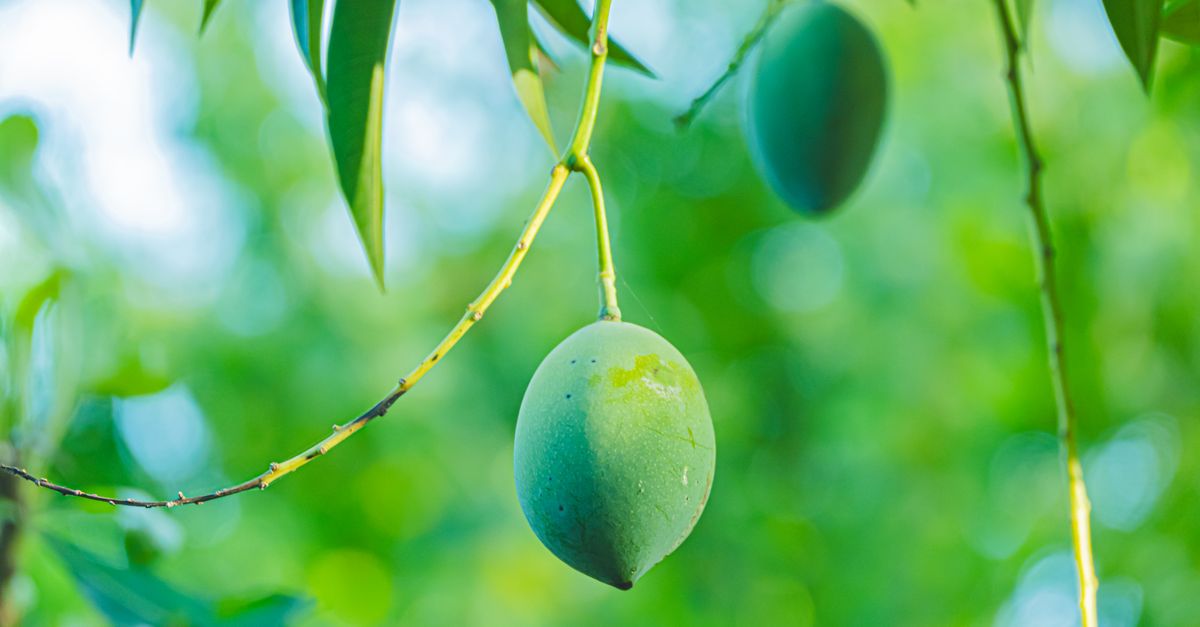
Whole-genome sequencing highlights the genetic diversity and structure of mango germplasm in Saudi Arabia's Jazan region, offering insights into local crop adaptation.
Researchers have employed whole-genome sequencing to explore the genetic diversity and population structure of mango germplasm in the Jazan region of Saudi Arabia. This study, published in Frontiers, provides critical insights into the genetic makeup of mangoes in this part of the world, which could have significant implications for local agriculture and biodiversity conservation.
Uncovering Genetic Diversity
The research team, using advanced genomic tools, analyzed the DNA of mango samples collected from Jazan, revealing a rich tapestry of genetic variation. This diversity is crucial for understanding how mangoes in the region have adapted to the local climate and environmental conditions. Such information is vital for breeding programs aimed at improving mango resilience and productivity.
By mapping out the genetic diversity, scientists can identify specific traits that make certain mango varieties more resistant to diseases or better suited to withstand the arid climate of the region. This could lead to the development of new mango cultivars that are not only more productive but also more sustainable.
Population Structure Insights
In addition to highlighting genetic diversity, the study also shed light on the population structure of mangoes in Jazan. The findings suggest that there are distinct genetic clusters within the mango populations, likely resulting from historical agricultural practices and natural selection pressures. Understanding these clusters can help in conserving genetic resources and ensuring the long-term viability of mango cultivation in the area.
The research underscores the importance of preserving genetic diversity in crop species, as it provides a buffer against environmental changes and pest pressures. As climate change continues to impact agriculture globally, maintaining a wide genetic base in crops like mango is essential for food security.
Implications for Agriculture and Conservation
This groundbreaking study not only enhances our knowledge of mango genetics but also has practical applications for agriculture in Saudi Arabia and beyond. By identifying the genetic traits linked to desirable characteristics, breeders can create mango varieties that meet the needs of both local farmers and international markets.
Furthermore, the study supports ongoing conservation efforts by highlighting the need to protect the genetic diversity found in the Jazan region's mangoes. As the global demand for mangoes grows, ensuring the sustainability of mango production becomes increasingly important.
Overall, the insights gained from this genomic research are expected to play a key role in guiding future agricultural strategies and conservation policies in Saudi Arabia, helping to secure the region's agricultural heritage and biodiversity.