
Generative AI Revolutionizes Radiology Reporting and Documentation
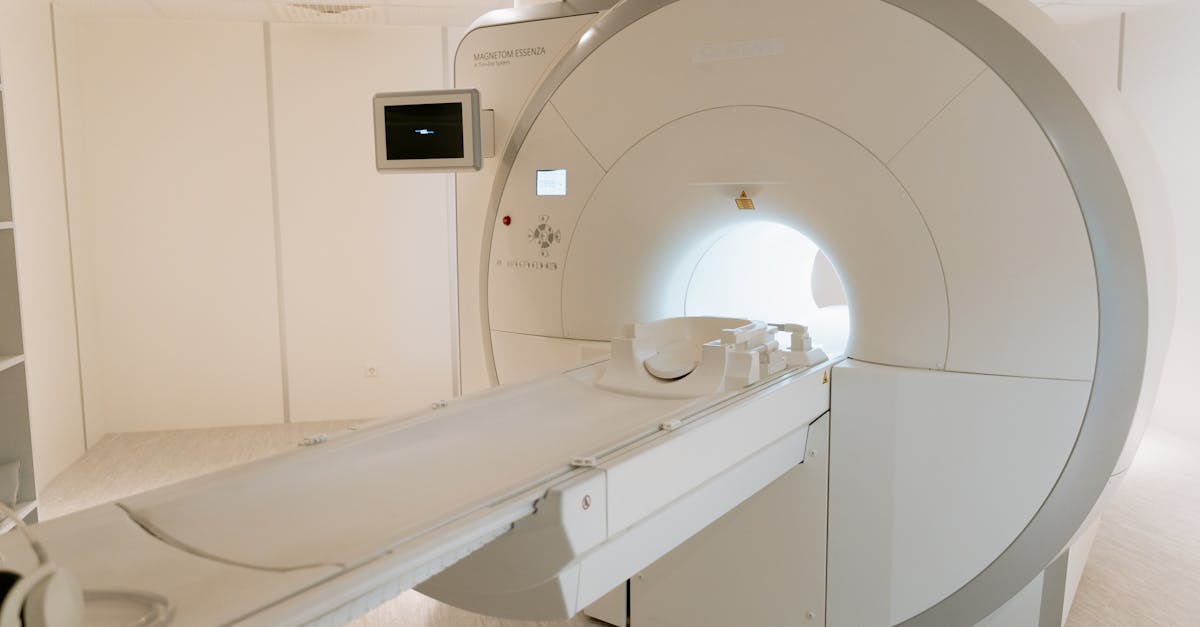
Generative AI is transforming radiology by enhancing reporting accuracy and streamlining documentation processes, paving the way for improved patient care.
The integration of generative AI into radiology is reshaping how medical professionals approach reporting and documentation. By automating routine tasks and enhancing the accuracy of radiological interpretations, AI tools are not just saving time but also improving patient outcomes. Radiologists, long burdened by time-consuming documentation work, are finding more time to focus on patient care, thanks to these technological advancements.
Streamlining the Reporting Process
Generative AI systems, such as those developed by companies like Aidoc and Zebra Medical Vision, are being increasingly adopted in radiology departments across the globe. These systems can automatically generate comprehensive reports by analyzing imaging data and integrating them with patient histories and other relevant information. This automation reduces the variability in reporting and minimizes the risk of human error, a common concern in manual processes.
For instance, AI-driven platforms can quickly identify patterns in imaging data that might be indicative of specific conditions, such as tumors or fractures, and suggest likely diagnoses. These capabilities allow radiologists to verify AI-generated insights rather than starting from scratch, enhancing their efficiency and accuracy.
Enhancing Accuracy and Consistency
One of the most significant advantages of using generative AI in radiology is the enhancement of diagnostic accuracy. AI algorithms are trained on vast datasets, which enable them to recognize subtle patterns that might be missed by the human eye. This capability not only improves the consistency of reports but also supports radiologists in making more informed decisions.
In a study published by the American College of Radiology, AI-assisted reporting showed a notable decrease in discrepancies between initial and subsequent radiological interpretations. This consistency is crucial, particularly when decisions about treatment plans hinge on radiological findings.
Reducing Workload and Burnout
The operational efficiencies provided by AI tools significantly reduce the workload on radiologists, who are often faced with a high volume of cases. This reduction in routine reporting tasks allows radiologists to dedicate more time to complex cases and continuous learning, addressing the issue of professional burnout that is prevalent in the field.
By handling repetitive tasks, AI systems free up radiologists to engage in more valuable activities, such as direct patient consultations and interdisciplinary collaboration. This shift not only enhances job satisfaction but also improves the quality of care provided to patients.
Challenges and Considerations
Despite the promising benefits, the implementation of generative AI in radiology is not without challenges. Concerns about data privacy and the quality of AI training datasets must be addressed to ensure reliable and unbiased results. Moreover, the integration of AI tools into existing workflows requires careful planning and continuous training for radiologists to effectively use these technologies.
Furthermore, while AI can augment the work of radiologists, it is not a replacement for human expertise. The interpretive skills and clinical judgment of radiologists remain irreplaceable, with AI serving as a complementary tool that enhances, rather than replaces, the human element in radiological practice.
The Future of Radiology with AI
As generative AI continues to evolve, its role in radiology is set to expand further. Innovations in AI algorithms and increased access to high-quality imaging datasets will likely enhance the capabilities of these systems, making them even more integral to the healthcare industry.
Radiologists and healthcare institutions are encouraged to embrace these advancements, integrating AI tools into their practices to stay at the forefront of medical technology. As one expert noted, "AI in radiology is not about replacing radiologists; it's about empowering them to deliver better care."