
Gangtok's Strategy to Enhance Specialist Care in Mountain Regions
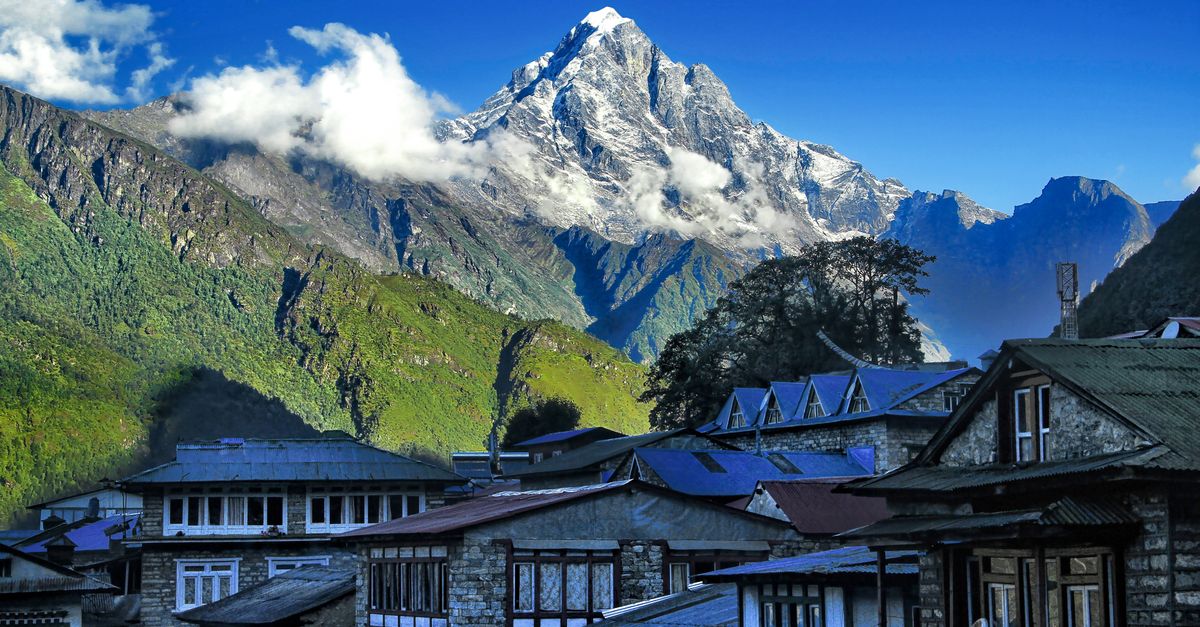
Gangtok is pioneering improved access to specialized healthcare in mountain communities by leveraging telemedicine and mobile clinics.
The picturesque city of Gangtok, nestled in the northeastern Indian state of Sikkim, is setting a precedent in healthcare by tackling the unique challenges faced by mountain communities. With its rugged terrain and remote locations, access to specialized medical care has historically been limited. However, Gangtok is employing innovative strategies to bridge this gap, focusing on telemedicine and mobile healthcare units to ensure that no resident is left without critical medical attention.
Telemedicine: A Lifeline for Remote Patients
Telemedicine has emerged as a cornerstone of Gangtok's healthcare strategy. By utilizing digital platforms, residents in remote areas can now consult with specialists without the need to travel long distances. The state government, in collaboration with local healthcare providers, has invested in digital infrastructure to support high-quality video consultations. This initiative not only saves time and resources but also reduces the burden on the city's healthcare facilities.
Sikkim's Department of Health and Family Welfare reports that since the introduction of telemedicine services in 2020, there has been a noticeable decrease in patient transfers to urban hospitals. Patients with chronic conditions, such as diabetes and hypertension, have particularly benefited from regular, remote consultations with specialists who provide ongoing management and advice.
Mobile Clinics Delivering Care to the Doorstep
In addition to telemedicine, mobile clinics have become an integral part of Gangtok's approach to healthcare delivery. These clinics are equipped with necessary medical supplies and staffed by trained healthcare professionals capable of providing basic diagnostic services and treatments. By traveling to remote villages, mobile clinics address both urgent and routine healthcare needs directly within the community.
Dr. Lhamo Sherpa, a physician involved with one of the mobile units, notes, "Our presence in these communities not only provides immediate medical attention but also fosters trust. People are more likely to seek care when it's accessible, and that can make all the difference in early diagnosis and treatment."
Training Local Healthcare Workers
Another critical component of this healthcare transformation is the training of local healthcare workers. Gangtok has initiated programs to upskill nurses and health workers in remote areas, equipping them with the knowledge and tools to handle common health issues and emergencies. This grassroots approach ensures that even without specialist presence, basic healthcare needs can be met efficiently.
The Sikkim Manipal Institute of Medical Sciences has played a significant role in this initiative, offering training programs that emphasize practical skills and community health education. This investment in local talent not only creates job opportunities but also empowers communities to take charge of their health.
Challenges and Future Directions
Despite these advances, challenges remain. Connectivity issues and limited digital literacy can hinder the effectiveness of telemedicine in certain regions. Moreover, the terrain can pose logistical difficulties for mobile clinics, especially during the monsoon season. Addressing these challenges requires ongoing investment in infrastructure and community education.
Looking forward, the integration of more advanced technologies, such as AI-driven diagnostic tools, could further enhance the quality of care in these regions. As Gangtok continues to refine its healthcare strategies, its model offers valuable insights for similar mountainous regions worldwide.
Dr. Karma Bhutia, a leader in Sikkim's healthcare reforms, expresses optimism: "We are proving that geographical challenges don't have to be barriers to quality healthcare. Our goal is to create a sustainable model that others can replicate."