
Gandhidham's Industrial Workers Face Unique Health Challenges
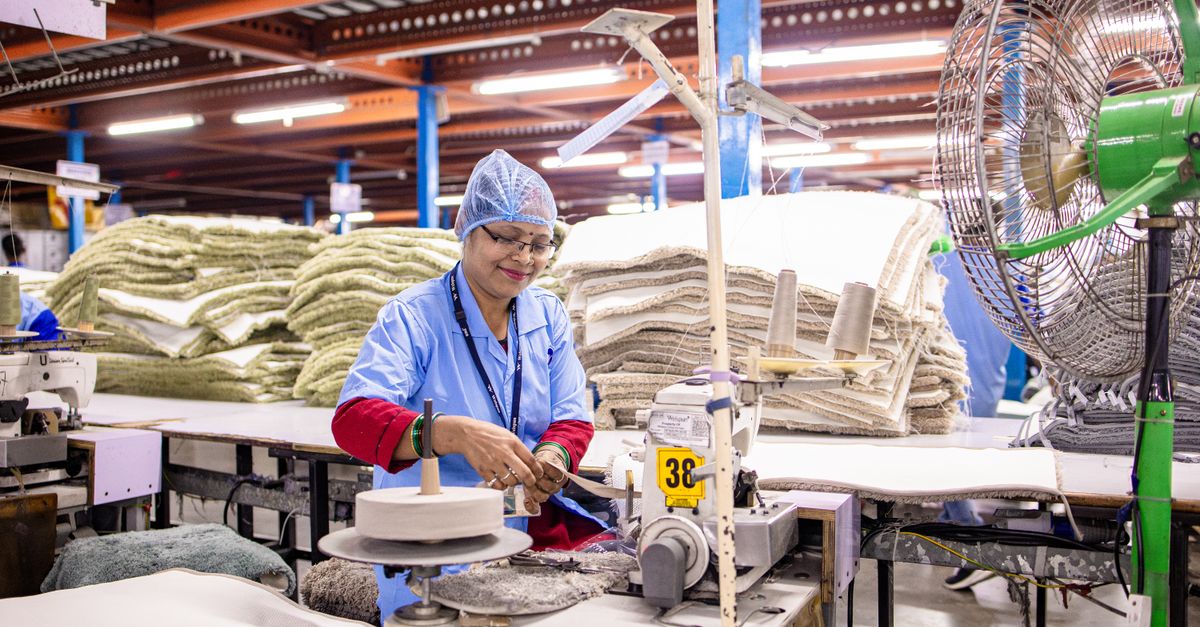
Gandhidham's logistics and industrial sectors expose workers to unique occupational health risks, demanding urgent attention and comprehensive safety measures.
Gandhidham, a bustling industrial hub in Gujarat, is a vital artery in India's logistics network. However, the city's rapid industrial growth has unwittingly exposed its workforce to a spectrum of occupational health challenges. As factories and logistics companies expand, the health and safety of their workers, often overlooked, demand immediate attention.
The Burden of Occupational Hazards
In Gandhidham, the logistics and industrial sectors are the backbone of the local economy. Workers in these sectors face numerous health risks, including exposure to hazardous materials, heavy machinery accidents, and long working hours. These conditions not only jeopardize their physical health but also contribute to mental stress and fatigue.
A study by the National Institute of Occupational Health found that workers in Gandhidham frequently report respiratory issues, musculoskeletal disorders, and hearing loss. The prevalence of these conditions indicates a gap in workplace safety standards and health monitoring.
Air Quality and Respiratory Risks
Air quality is a critical concern in Gandhidham, where industrial emissions compound the problem. Workers are exposed to dust, fumes, and chemicals, leading to chronic respiratory illnesses. According to the Gujarat Pollution Control Board, air pollution levels in the area often exceed safe limits, posing a significant threat to the respiratory health of industrial workers.
There is a pressing need for improved ventilation systems, regular air quality assessments, and the use of protective equipment to mitigate these risks. Employers must prioritize these measures to safeguard their workforce.
Musculoskeletal Disorders: A Growing Concern
Musculoskeletal disorders (MSDs) are another prevalent issue among Gandhidham's workers. The repetitive nature of tasks, such as lifting heavy loads or operating machinery, exacerbates the risk of developing MSDs. Workers often report back pain, joint issues, and repetitive strain injuries, which can lead to long-term disability if not addressed promptly.
Implementing ergonomic solutions and providing training on proper lifting techniques can significantly reduce the incidence of these disorders. Additionally, regular health check-ups and early intervention strategies are crucial in managing MSDs effectively.
Mental Health: The Overlooked Dimension
Mental health, often overshadowed by physical ailments, is an emerging concern in Gandhidham's industrial landscape. The high-pressure environment, extended shifts, and job insecurity contribute to stress, anxiety, and depression among workers. Despite the obvious need, mental health support and resources are woefully inadequate.
Employers should integrate mental health resources into their occupational health programs. Providing access to counseling services and fostering a supportive work environment can help alleviate the psychological burden on workers.
The Way Forward for Gandhidham's Workforce
Addressing the occupational health challenges in Gandhidham requires a multi-pronged approach involving government agencies, industry stakeholders, and healthcare providers. Policy reforms that enforce stricter safety regulations, coupled with regular inspections, can ensure compliance with health standards.
Moreover, raising awareness about occupational health risks and promoting a culture of safety are imperative. Training programs that educate workers on handling hazardous materials and recognizing early signs of health issues can empower them to take proactive steps in safeguarding their well-being.
Gandhidham's industrial growth presents both opportunities and challenges. By prioritizing the health of its workforce, the city can ensure sustainable development and a healthier future for its workers. As one local industry leader notes, "Investing in worker health is not just a legal obligation; it's a moral imperative that ultimately benefits the entire community."