
Gadchiroli's Healthcare Struggles: A Tribal Community's Battle for Access
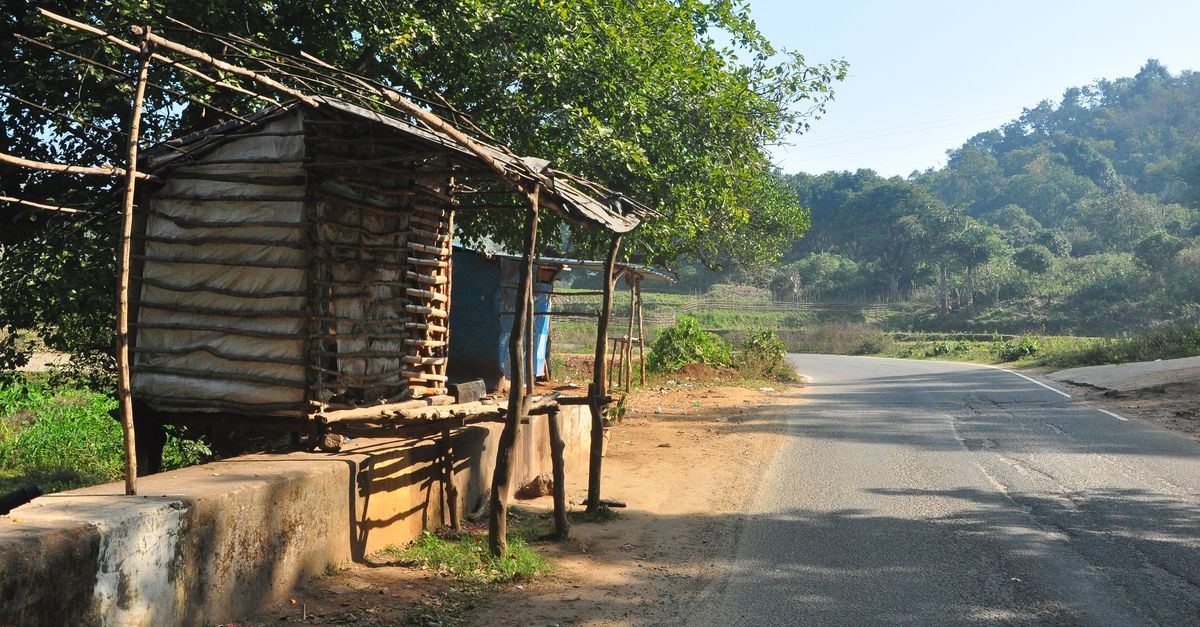
Gadchiroli's tribal regions face severe healthcare access issues, highlighting systemic inequalities and urgent needs.
In the dense forests of Maharashtra, Gadchiroli stands as a poignant reminder of India's unresolved healthcare disparities. For its predominantly tribal population, accessing basic medical facilities remains a daily challenge—a struggle that epitomizes the broader issues faced by remote communities across the country.
The Geography of Health Disparities
Gadchiroli, with its rugged terrain and dense forest cover, presents geographical hurdles that complicate the delivery of healthcare services. The district is home to numerous tribal groups who live in scattered hamlets, often inaccessible by conventional transportation. The lack of roads and reliable public transport means that even in emergencies, reaching the nearest healthcare facility can take hours, if not days.
According to a 2022 report by the Maharashtra state health department, over 70% of Gadchiroli’s population resides in areas classified as 'healthcare deserts', where medical facilities are either nonexistent or severely understaffed. This geographical isolation not only delays treatment but also exacerbates the risk of preventable diseases becoming fatal.
Systemic Challenges and Resource Gaps
The healthcare infrastructure in Gadchiroli is woefully inadequate. The district has only a handful of primary health centers (PHCs), which are often under-resourced and lack basic amenities. A 2023 study by the National Health Mission revealed that many PHCs operate with a skeletal staff, where a single doctor is responsible for hundreds of patients.
Compounding these issues is the scarcity of medical supplies and advanced equipment. Instances of stockouts of essential medicines and vaccines are common, leaving the community vulnerable to outbreaks of diseases such as malaria and tuberculosis. The absence of specialist doctors and diagnostic facilities further limits the care that can be provided locally.
Traditional Practices and Modern Medicine
In the face of these challenges, many tribal communities continue to rely on traditional medicine practices. While these practices are deeply rooted in cultural heritage, they are not always sufficient to combat modern health issues. The reliance on traditional healers is partly due to the absence of accessible modern healthcare, but it also underscores the need for culturally sensitive healthcare interventions that respect traditional knowledge while integrating modern medical practices.
Efforts by NGOs to bridge this gap have met with limited success. Programs designed to train local health workers aim to provide basic medical training and connect these communities with the broader healthcare system. However, these initiatives require significant scaling and sustained funding to make a long-term impact.
Government Initiatives and Their Limitations
The government has launched several initiatives aimed at improving healthcare access in Gadchiroli, such as deploying mobile health units and incentivizing doctors to work in rural areas. However, the implementation of these programs is often marred by bureaucratic inefficiencies and a lack of coordination between various government bodies.
The Ayushman Bharat scheme, which aims to provide health coverage to the economically disadvantaged, faces significant hurdles in Gadchiroli. Many tribal residents are not aware of their entitlements under the scheme, and those who are find the documentation process cumbersome and inaccessible.
Looking Forward: The Road to Equitable Healthcare
Addressing the healthcare challenges in Gadchiroli requires a multi-faceted approach. Infrastructure development is crucial, with an urgent need for better roads and transportation options to connect remote areas with healthcare facilities. Increased investment in local health centers, alongside initiatives to train and retain healthcare professionals in these regions, will be vital.
Moreover, integrating traditional health practices with modern medicine could enhance community engagement and trust in the healthcare system. Programs that respect and incorporate tribal knowledge could facilitate a more holistic approach to health that is both effective and culturally sensitive.
Ultimately, for Gadchiroli's healthcare system to evolve, it must become a priority not just for local authorities, but for state and national governments. As noted by Dr. Asha Rao, a healthcare activist, "We need a comprehensive strategy that doesn't just build infrastructure but also builds trust and capability within these communities."