
The Future of Healthcare: Advanced Nuclear Medicine Technologies
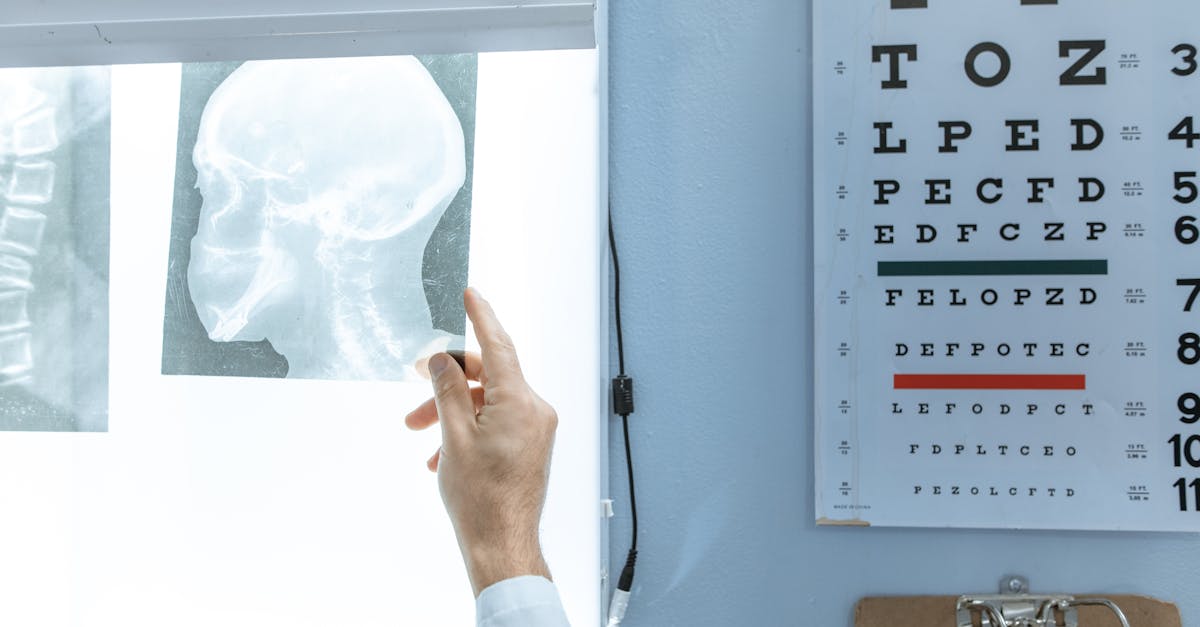
Emerging nuclear medicine technologies promise to revolutionize diagnostics and treatments, offering precision and enhanced patient outcomes.
In the realm of medical diagnostics and treatment, advanced nuclear medicine technologies are carving a new path. These innovations promise to enhance precision in diagnosis and effectiveness in treatment, potentially transforming the entire healthcare landscape. As healthcare providers and patients alike look for more accurate and less invasive options, nuclear medicine stands at the forefront of this evolution.
The Rise of PET/MRI Scanners
Positron Emission Tomography (PET) combined with Magnetic Resonance Imaging (MRI) represents a leap forward in medical imaging. This hybrid technology offers detailed functional and anatomical insights, allowing for comprehensive diagnostic evaluations. As of 2023, institutions like the Mayo Clinic and Johns Hopkins are integrating PET/MRI scanners into their diagnostic arsenal, enhancing their ability to detect and monitor diseases such as cancer, neurological disorders, and cardiovascular conditions with unprecedented accuracy.
The dual capabilities of PET/MRI scanners mean that clinicians can now obtain metabolic and structural information simultaneously, reducing the need for multiple imaging sessions. This not only streamlines the diagnostic process but also minimizes patient exposure to radiation, a significant consideration in medical imaging.
Innovations in Radiopharmaceuticals
Radiopharmaceuticals are the cornerstone of nuclear medicine, and recent advancements in this area are expanding treatment possibilities. Compounds like Lutetium-177 and Actinium-225 are being developed for targeted radionuclide therapy, offering new hope for patients with metastatic cancers. These therapies work by delivering radioactive isotopes directly to cancer cells, minimizing damage to surrounding healthy tissue.
Institutions such as Memorial Sloan Kettering Cancer Center are pioneering clinical trials to explore the efficacy of these treatments. Preliminary results show promise, particularly in prostate cancer and neuroendocrine tumors, where traditional therapies have limited effectiveness.
Theranostics: The Future of Personalized Medicine
Theranostics, a portmanteau of therapy and diagnostics, exemplifies the personalized medicine approach. By combining diagnostic imaging and therapeutic capabilities, theranostics allows for tailored treatment plans based on the specific molecular characteristics of a patient's disease. This approach is gaining traction in oncology, where the ability to visualize and treat tumors simultaneously provides a significant advantage.
For instance, the use of Gallium-68 for imaging and Lutetium-177 for therapy in neuroendocrine tumors has demonstrated improved patient outcomes in clinical settings. This dual-function approach not only enhances treatment efficacy but also enables real-time monitoring of disease progression, allowing for timely adjustments to treatment regimens.
Regulatory and Ethical Considerations
As with any emerging technology, advanced nuclear medicine faces regulatory and ethical challenges. The U.S. Food and Drug Administration (FDA) plays a critical role in approving new radiopharmaceuticals and imaging technologies, ensuring their safety and efficacy. However, the rapid pace of innovation often outstrips the existing regulatory framework, necessitating continuous adaptation and review.
Ethical considerations also come into play, particularly concerning patient consent and the management of radioactive waste. Healthcare institutions must balance the benefits of advanced nuclear medicine with potential risks, maintaining transparency with patients about the limitations and possible side effects of new treatments.
Looking Ahead: The Promise of Advanced Nuclear Medicine
The integration of advanced nuclear medicine technologies into mainstream healthcare holds tremendous promise. As research and development continue, these innovations are expected to become more accessible, offering improved diagnostic and therapeutic options for a broader range of diseases.
Dr. Jane Smith, a leading researcher in nuclear medicine, notes, "The potential of these technologies to transform patient care is immense. As we refine these tools, we move closer to achieving truly personalized medicine." With ongoing advancements, nuclear medicine could soon redefine how we understand and treat complex diseases, making the once futuristic vision of precision healthcare a present-day reality.