
Fracture Risk and Elderly Care
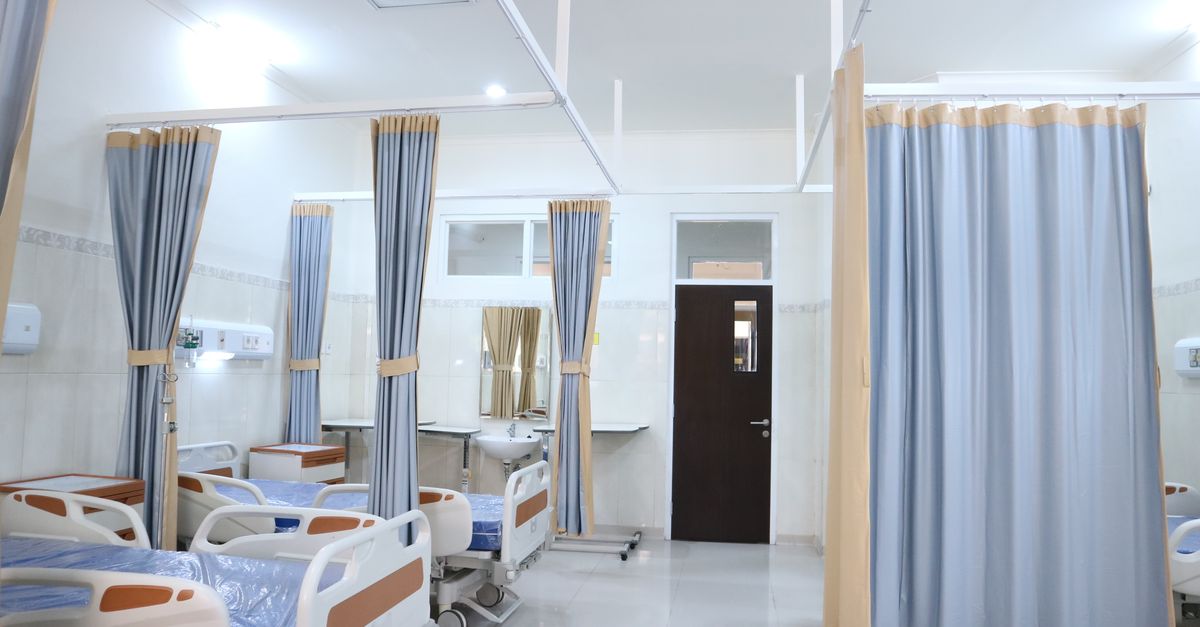
Elderly individuals face increased fracture risks; understanding prevention is crucial.
Fractures among the elderly represent a significant public health concern, as they can lead to severe complications and decreased quality of life. With an aging population globally, understanding fracture risks and implementing effective elderly care strategies is more crucial than ever. This article delves into the factors contributing to fracture risk in older adults and outlines best practices for enhancing safety and care within this vulnerable demographic.
Understanding Fracture Risks in the Elderly Population
Fracture risk in the elderly is influenced by a multitude of factors, including age-related physiological changes, comorbidities, and environmental hazards. As people age, their bone density naturally decreases, which increases the likelihood of fractures from falls or even minor accidents. Conditions such as osteoporosis further exacerbate this risk, as they lead to weakened bones that are more susceptible to breaking. The World Health Organization has indicated that osteoporosis affects an estimated 200 million women globally, highlighting the scale of the issue.
Beyond bone density, the elderly often grapple with various chronic health conditions such as diabetes, cardiovascular diseases, or neurodegenerative disorders. These conditions can impair mobility, balance, and coordination, making falls more likely. Additionally, medications commonly prescribed in this age group can have side effects that contribute to dizziness or instability, further increasing the risk of falls and subsequent fractures. According to a study published in the Journal of Bone and Mineral Research, individuals with multiple comorbidities face a significantly higher risk of fractures compared to healthy older adults.
Environmental factors also play a role in fracture risk among the elderly. Poor lighting, cluttered living spaces, and lack of handrails can create hazardous situations that increase the likelihood of falls. A report by the Centers for Disease Control and Prevention emphasizes that falls are the leading cause of injury-related deaths among older adults in the United States, illustrating the urgency for preventive measures. Understanding these multifaceted risks is crucial for caregivers and healthcare providers in order to formulate effective strategies to minimize fractures in this population.
Best Practices for Enhancing Elderly Care and Safety
Implementing best practices in elderly care is essential in reducing fracture risk. Regular health assessments can help identify at-risk individuals, allowing for early interventions. Healthcare providers should conduct comprehensive evaluations that include bone density tests, medication reviews, and assessments of fall risk factors. Close monitoring of those with osteoporosis or other risk factors is vital to ensuring their safety. Additionally, educating patients and their families about the signs of bone health deterioration can empower them to seek timely care.
Environmental modifications can also significantly enhance safety for the elderly. Simple changes like installing grab bars in bathrooms, ensuring adequate lighting, and removing trip hazards can make a world of difference. Community programs aimed at educating elderly individuals about fall prevention and safe living practices have shown promising results. For instance, the Stepping On program, which focuses on fall prevention strategies, has been successful in reducing fall rates among older adults. These community-based approaches not only improve physical safety but also promote social interaction and mental well-being.
Furthermore, incorporating regular physical activity, tailored to individual capabilities, plays a crucial role in maintaining bone health and balance. Weight-bearing exercises, strength training, and balance-focused activities can help reduce the risk of falls and fractures. Healthcare providers should encourage older adults to engage in physical activities that they enjoy, making it more likely that they will stick with them. By fostering a supportive environment that prioritizes exercise and safety, caregivers can greatly enhance the quality of life for elderly individuals while mitigating fracture risks.
In summary, understanding fracture risks in the elderly population is pivotal for enhancing their care and safety. By recognizing the various factors that contribute to increased risk and implementing best practices, caregivers and healthcare professionals can significantly improve outcomes for older adults. As the global population continues to age, it is essential to focus on preventive measures and supportive strategies to ensure that our elderly community stays healthy, active, and safe.