
A Family's Roadmap to Effective Preventive Healthcare
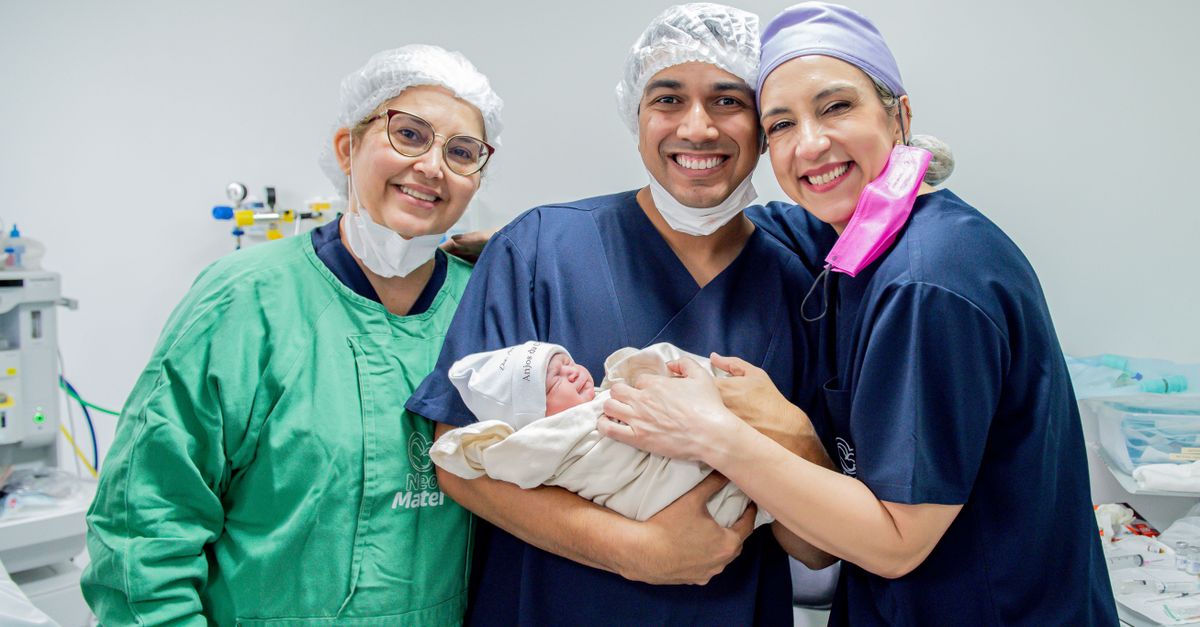
Learn how families can proactively manage health through simple preventive measures, from vaccinations to screenings.
In a world where healthcare costs are soaring, preventive healthcare emerges as a financially savvy and health-conscious choice for families. Prevention isn't just better than cure; it's also far more practical and economical. Every family, regardless of size or health status, can benefit immensely from adopting preventive healthcare practices.
The Foundation of Preventive Healthcare
Preventive healthcare revolves around three core components: regular check-ups, vaccinations, and lifestyle modifications. The essence of this approach is to detect potential health issues before they evolve into significant problems. For families, this means scheduling annual physicals for every member, which can help track development in children and manage chronic conditions in adults.
Vaccinations form the second pillar of prevention. Immunization schedules for children are well-established by health authorities like the CDC, and adhering to them ensures protection against diseases such as measles, mumps, and whooping cough. Adults, too, should stay updated with vaccines like the flu shot and others recommended based on age and health conditions.
Screenings: Catching Problems Early
Regular health screenings are another vital aspect of preventive care. Mammograms, colonoscopies, cholesterol checks, and blood pressure monitoring are all standard screenings that can catch potential health threats early. Families should discuss with their healthcare providers to tailor a screening schedule based on personal and family medical histories.
For women, regular Pap smears and HPV tests are critical for the early detection of cervical cancer. Men should consider prostate screenings, especially if there's a family history of prostate issues. For children, eye and hearing tests are essential parts of their developmental check-ups.
Lifestyle Changes: A Family Affair
Health isn't just about avoiding illness; it's about building a lifestyle that promotes longevity and well-being. Diet and exercise are fundamental components, yet they are often the most challenging to implement consistently. Families can benefit from integrating small changes, like cooking healthy meals together or participating in group activities that promote physical fitness.
Nutrition education plays a significant role in preventive healthcare. Understanding how to read food labels, choosing whole foods over processed ones, and ensuring a balanced diet rich in fruits and vegetables can significantly reduce the risk of chronic diseases such as obesity and diabetes. Families can plan meals together, making it a shared responsibility and a fun activity.
Mental Health: The Often Overlooked Component
Mental health is an integral part of overall wellness, and preventive measures can help maintain it. Families should foster an environment where members feel safe to discuss mental health issues openly. Regular mental health check-ups, just like physical ones, should be a norm rather than an exception.
Stress management techniques like mindfulness, meditation, and yoga can be practiced as family activities. These techniques not only enhance mental well-being but also improve emotional resilience, which is crucial for both adults and children.
The Role of Education and Access to Information
Education is a powerful tool in preventive healthcare. Families should have access to reliable health information and resources. Public health campaigns, community workshops, and online portals provide valuable knowledge about preventive practices and emerging health threats.
Parents play a crucial role in modeling preventive healthcare behaviors to their children. By making informed decisions about their health and encouraging open dialogues about health topics, parents can instill lifelong habits in their children.
Preventive healthcare is an ongoing journey that requires commitment and collaboration among family members. By prioritizing prevention today, families can enjoy healthier tomorrows and set a positive example for future generations. As the adage goes, "An ounce of prevention is worth a pound of cure," and this wisdom holds true now more than ever.