
Family Caregiver Burden After Stroke
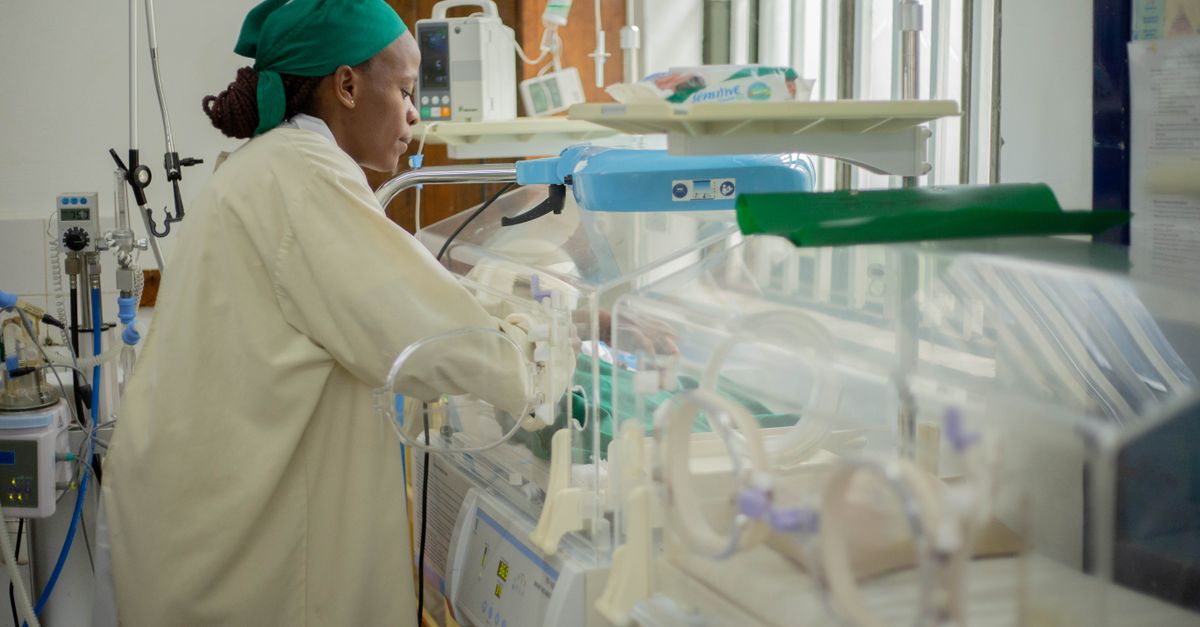
Caregivers face significant challenges after a loved one’s stroke.
Stroke is a significant public health issue, affecting millions globally and often resulting in profound changes not only for the patient but also for their family members. Family caregivers frequently bear the brunt of the emotional and physical demands that come with caring for stroke survivors. This article explores the burdens faced by caregivers and offers strategies to help them manage these challenges effectively.
Understanding the Emotional and Physical Strain on Caregivers
The emotional burden of caregiving can be substantial. Family caregivers often experience feelings of stress, anxiety, and depression, triggered by the sudden changes in their loved one's health and capabilities. The unpredictability of recovery can lead to a sense of helplessness, as caregivers may struggle to adapt to new routines and responsibilities. Research indicates that these emotional strains can affect caregivers' mental health, leading to long-term psychological issues if not addressed properly.
In addition to emotional challenges, physical strain is another significant aspect of caregiver burden. Many caregivers find themselves performing physically demanding tasks, such as lifting or moving the stroke survivor, which can lead to fatigue, musculoskeletal injuries, and other health problems. According to studies, caregivers are at a higher risk of chronic conditions such as heart disease and high blood pressure compared to non-caregivers. The combination of physical strain and emotional stress can create a cycle of fatigue that affects caregivers' overall well-being.
Furthermore, the social implications of caregiving can exacerbate feelings of isolation and loneliness. Many caregivers find their social lives diminished due to the time and energy required for caregiving responsibilities. This isolation can lead to a lack of support from friends and family, making the caregiving journey even more burdensome. Understanding these multifaceted challenges is crucial for developing effective support systems for caregivers.
Strategies for Supporting Family Caregivers After a Stroke
One essential strategy for supporting family caregivers is providing them with education and training. Knowledge about stroke recovery, caregiving techniques, and available resources can empower caregivers and help them feel more competent in their roles. Workshops, support groups, and online resources can equip caregivers with essential skills, such as proper patient handling and communication techniques that foster better relationships with their loved ones.
Another effective approach is prioritizing self-care for caregivers. Encouraging caregivers to take breaks, engage in physical activities, or pursue hobbies can aid in alleviating stress and preventing burnout. Healthcare providers and family members should actively support caregivers in finding time for themselves, emphasizing that their well-being is crucial not only for them but also for the stroke survivor's recovery.
Lastly, fostering a network of social support can play a vital role in easing caregiver burden. Connecting caregivers with peer support groups, where they can share experiences and coping strategies, can significantly reduce feelings of isolation. Comprehensive programs that include psychological support, counseling, and respite care can help caregivers recharge and manage their responsibilities more effectively.
The burden faced by family caregivers after a stroke is a complex issue that encompasses emotional, physical, and social dimensions. By understanding these challenges and implementing effective support strategies, we can help alleviate some of the pressures caregivers face. As society continues to recognize the invaluable role of caregivers, it is essential to ensure they receive the support and resources necessary for their well-being and that of their loved ones.