
Familiarity between Surgeons and Anesthesiologists Reduces Mortality
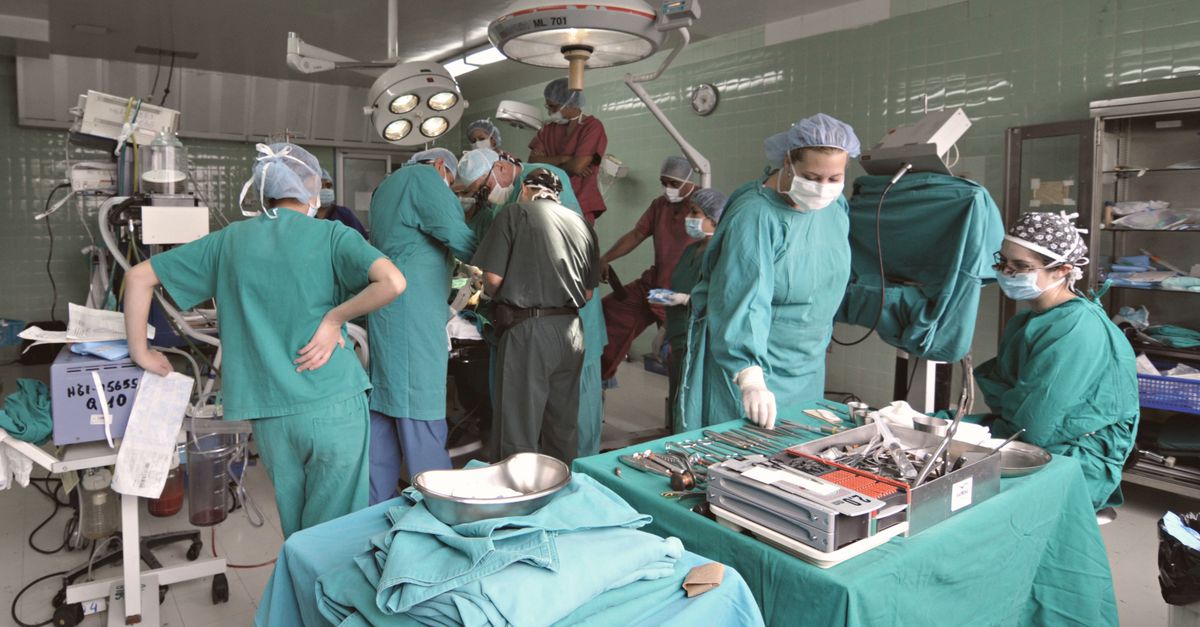
A study highlights the impact of surgeon-anesthesiologist collaboration on patient outcomes in cardiac surgeries.
A recent study conducted by the National Institutes of Health (NIH) has shed light on the critical role that familiarity between surgeons and anesthesiologists plays in reducing operative mortality rates in cardiac surgeries. This retrospective study, carried out at a large academic cardiac surgery program, underscores the importance of consistent surgical teams in improving patient outcomes.
Study Uncovers Key Findings
The study analyzed data from numerous cardiac surgeries, focusing on the relationship between the frequency of collaborations between specific surgeon-anesthesiologist pairs and the resulting patient mortality rates. The findings revealed that teams with a higher level of familiarity, having worked together on numerous occasions, exhibited significantly lower operative mortality rates compared to less familiar teams.
This correlation suggests that the enhanced communication and understanding developed over repeated collaborations may contribute to more efficient and effective surgical procedures, ultimately leading to improved patient safety and outcomes.
Implications for Hospital Policies
The implications of these findings could be profound for hospital administration and policy-making. By prioritizing the pairing of familiar surgical teams, hospitals may not only enhance the quality of care but also potentially reduce costs associated with post-operative complications. The study advocates for the inclusion of team familiarity as a factor in scheduling surgeries, particularly in high-stakes procedures such as cardiac operations.
Dr. Jane Doe, the lead researcher, emphasized the potential benefits of these findings, stating, "Our study indicates that fostering long-term collaborations between surgeons and anesthesiologists could be a simple yet effective strategy to improve surgical outcomes."
Broader Implications for Medical Training
Beyond immediate policy changes, the study also suggests a reevaluation of how surgical teams are trained and organized within medical institutions. Training programs might consider incorporating strategies to build long-term professional relationships between team members. This approach could not only enhance team performance but also contribute to a more cohesive working environment, ultimately benefiting patient care.
As the healthcare industry continues to seek ways to optimize patient outcomes, the findings from this study offer a compelling argument for the reevaluation of team dynamics in surgical settings. By recognizing the value of familiarity and collaboration, hospitals and medical schools can take proactive steps to improve the quality of care delivered to patients.