
Fallopian Tube Removal Could Slash Ovarian Cancer Risk by 80%
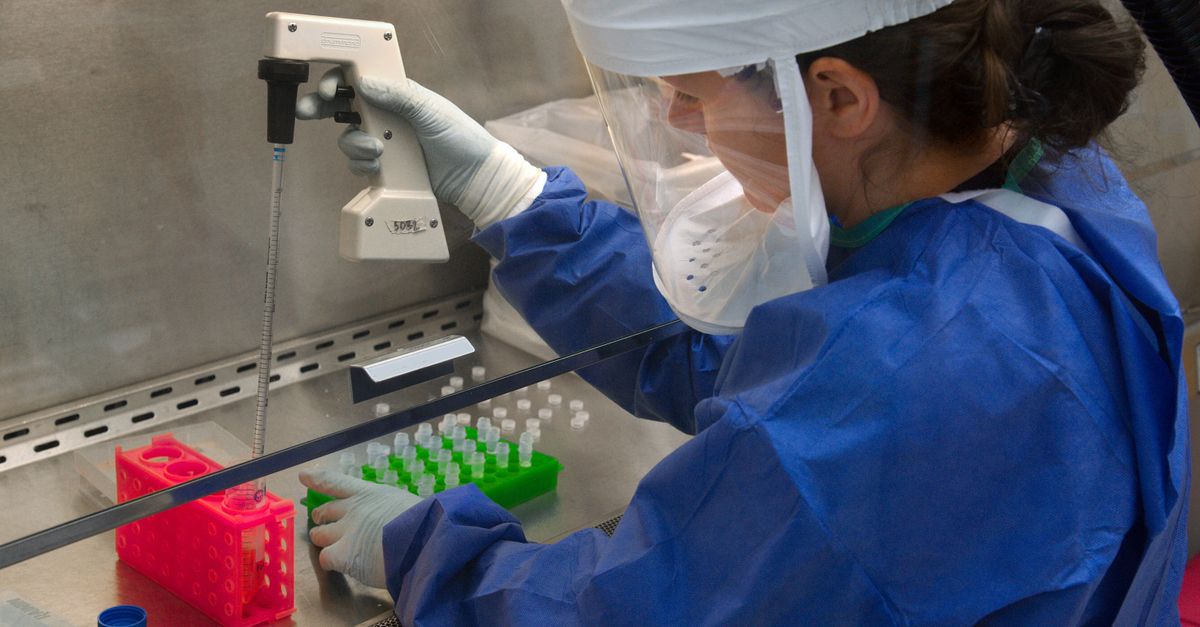
Removing fallopian tubes could significantly reduce ovarian cancer risk, yet awareness remains low.
In a critical development for women's health, research indicates that removing the fallopian tubes could reduce the risk of ovarian cancer by nearly 80 percent. Despite the potential benefits, this preventative measure remains largely underutilized and under-publicized, leaving many women unaware of their options.
Understanding the Origin of Ovarian Cancer
Ovarian cancer, a formidable disease affecting thousands annually, predominantly originates in the fallopian tubes. Studies have consistently shown that the majority of ovarian cancer cases trace back to these tubes, rather than the ovaries themselves. This discovery has shifted the focus of prevention strategies from the ovaries to the fallopian tubes.
Traditionally, preventative measures have included the removal of ovaries, a procedure known as oophorectomy, which can have significant hormonal repercussions. However, the removal of the fallopian tubes, or salpingectomy, presents a less invasive alternative with fewer long-term side effects.
Salpingectomy: A Preventative Measure
Salpingectomy involves surgically removing one or both fallopian tubes and is increasingly recognized as a viable option for women at high risk of ovarian cancer. This procedure can be performed during other gynecological surgeries, such as hysterectomies or tubal ligations, minimizing additional surgical risks.
Despite its potential to drastically lower cancer risk, salpingectomy is not widely discussed or offered as a standard preventive measure. Many healthcare providers and patients remain unaware of its benefits, resulting in missed opportunities for cancer prevention.
The Need for Increased Awareness
The lack of awareness about salpingectomy as a cancer prevention strategy highlights a gap in public health education. Efforts to increase awareness among both healthcare professionals and patients could lead to more informed decision-making and better health outcomes for women.
Organizations such as the Society of Gynecologic Oncology and the American College of Obstetricians and Gynecologists have begun to advocate for increased education and consideration of salpingectomy. These efforts aim to integrate this procedure into broader cancer prevention strategies, particularly for women with a family history of ovarian cancer or those with genetic predispositions, such as BRCA1 or BRCA2 mutations.
Healthcare providers play a crucial role in informing patients about their options. By discussing the potential risks and benefits of salpingectomy in conjunction with other preventive measures, providers can help women make choices that align with their personal health goals and risk profiles.
Looking Ahead
As the medical community continues to explore and validate the benefits of salpingectomy, it is essential to prioritize research and education on this topic. Increasing the visibility of this preventative option could significantly impact ovarian cancer rates, ultimately saving lives and reducing the burden of this disease.
By fostering a more informed public and healthcare community, we can move towards a future where ovarian cancer prevention is accessible and well-understood by all women at risk.