
Exploring India's Life Expectancy: Trends and Influences
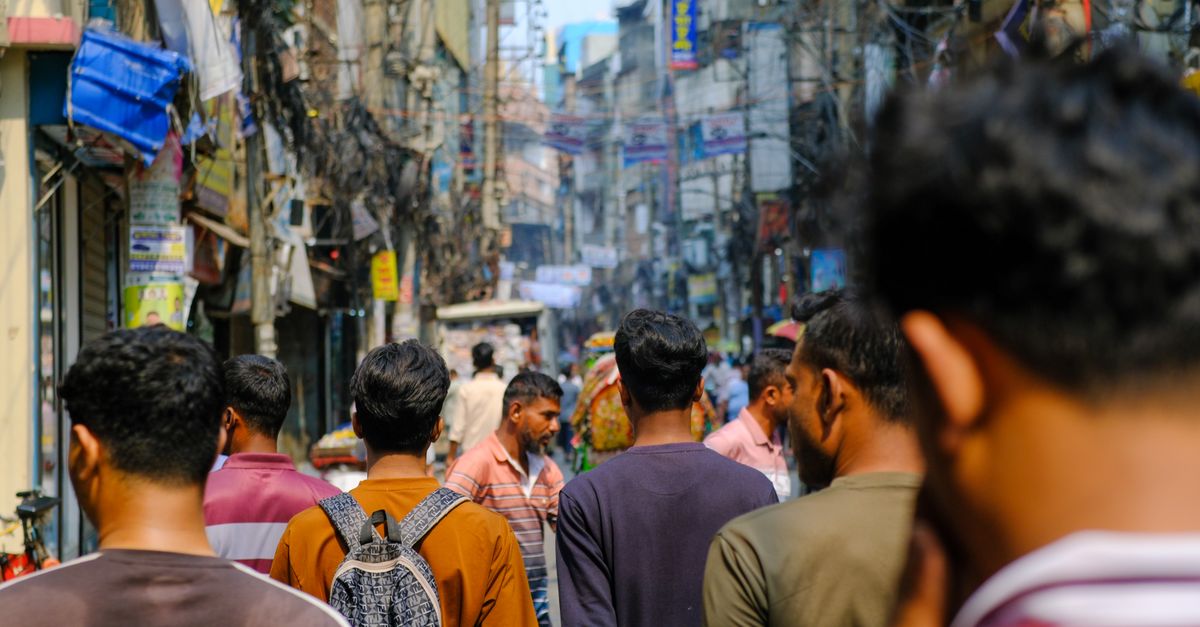
India's life expectancy has risen, reflecting progress in healthcare. Key factors include economic growth, health infrastructure, and social determinants.
Life expectancy in India has been steadily rising over the years, indicating significant improvements in public health and living conditions. According to the World Bank, the average life expectancy in India was around 70 years in 2021, compared to approximately 41 years in 1960. This remarkable increase can be attributed to several factors, including advancements in healthcare, economic growth, and a focus on improving social determinants of health.
Economic Growth and Its Impact
India's economic growth has played a substantial role in enhancing life expectancy. The country's GDP has experienced significant growth, allowing for increased investment in healthcare infrastructure and services. Improved economic conditions have led to better access to healthcare facilities, medicines, and health education for a broader segment of the population.
The rise in income levels has also contributed to better nutrition and living conditions, crucial factors in reducing mortality rates. As more people have moved out of poverty, they have gained access to essential resources that support a healthier lifestyle.
Healthcare Improvements and Innovations
Advancements in medical technology and healthcare delivery have significantly contributed to the increase in life expectancy. India has made strides in reducing mortality from infectious diseases such as tuberculosis and malaria through widespread vaccination programs and improved sanitation.
Moreover, the healthcare sector has seen rapid advancements in treating non-communicable diseases like heart disease and diabetes, which have become prevalent with urbanization and lifestyle changes. The implementation of national health programs and the expansion of health insurance schemes have made healthcare more accessible and affordable for millions of Indians.
Social Determinants and Education
Social determinants such as education, gender equality, and sanitation have also influenced life expectancy in India. Education, particularly for women, has been linked to better health outcomes and increased life expectancy. Educated women are more likely to make informed health choices, access healthcare services, and advocate for their families' health.
Improvements in sanitation and clean drinking water have reduced the incidence of waterborne diseases, contributing to lower child mortality rates and thus higher life expectancy. The government's Swachh Bharat Abhiyan (Clean India Mission) has played a vital role in enhancing hygiene and sanitation standards across the country.
Challenges Ahead
Despite these advancements, challenges remain in further improving life expectancy in India. The disparity between urban and rural healthcare access continues to pose a significant issue. Rural areas often lack adequate healthcare facilities, leading to higher mortality rates compared to urban regions.
Additionally, the increasing burden of non-communicable diseases presents a new challenge. Lifestyle changes associated with economic growth, such as sedentary behavior and increased consumption of processed foods, have led to a rise in conditions like obesity and cardiovascular disease.
Addressing these issues requires continued investment in healthcare infrastructure, a focus on preventive care, and strategies to tackle the social determinants of health that contribute to these disparities.
The Road Ahead
India's journey towards improving life expectancy is a testament to the progress made in public health and economic development. However, sustaining and enhancing this trend demands a comprehensive approach that addresses both medical and social factors. By focusing on equitable healthcare access, innovative medical solutions, and the improvement of living conditions, India can continue to improve its life expectancy, offering a healthier future for its population.