
Experts Discuss: Is Milk More Hydrating Than Water?
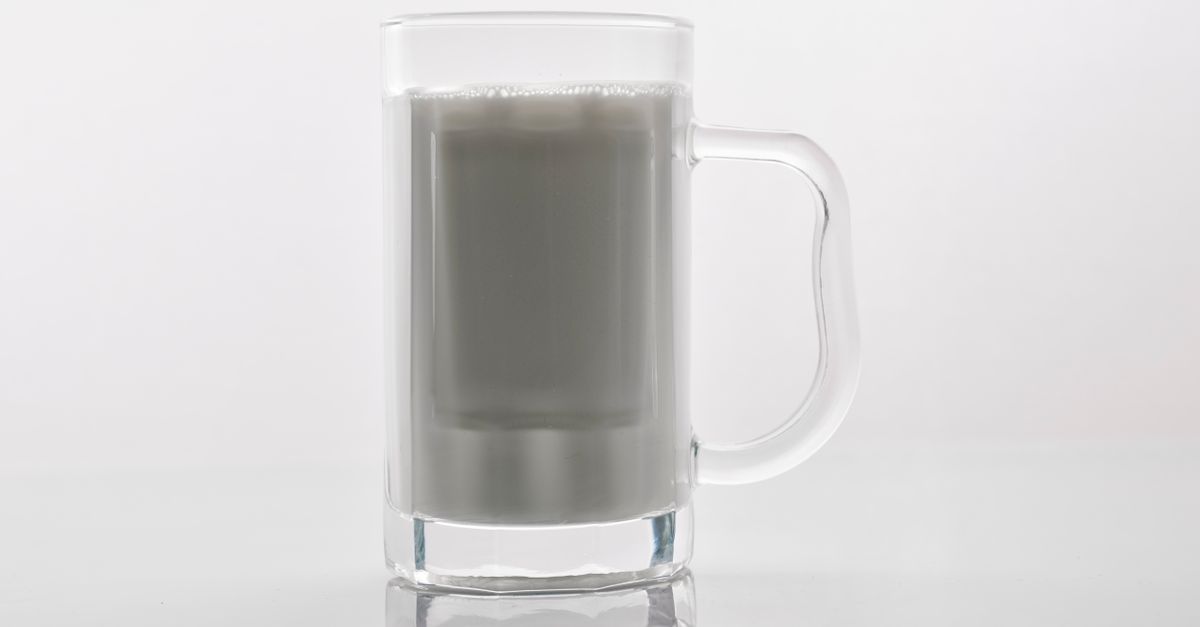
Experts debate milk's hydrating potential compared to water, highlighting its nutrient profile.
In a surprising twist to conventional wisdom, experts are evaluating whether milk might be more hydrating than water. This discussion was brought to the forefront by NBC News medical contributor Dr. Natalie Azar and nutrition expert Joy Bauer during a recent segment on the TODAY show.
Milk's Nutrient-Rich Profile
Dr. Azar explained that milk contains a variety of nutrients, including electrolytes like sodium and potassium, which are essential for maintaining fluid balance in the body. These components can enhance hydration, particularly after physical exertion or in hot weather, when the body loses electrolytes through sweat.
Joy Bauer added that milk's composition includes carbohydrates and proteins, which can aid in recovery after exercise. The presence of these macronutrients, along with electrolytes, allows milk to provide more than just fluid replenishment, potentially making it a more effective rehydration option post-exercise compared to plain water.
Comparative Hydration Benefits
While water remains the go-to for most hydration needs due to its calorie-free nature and widespread availability, milk's additional nutrients offer certain advantages. According to the experts, milk could serve as a dual-purpose beverage, providing both hydration and nutritional benefits.
However, Bauer cautioned that milk may not be suitable for everyone, particularly those who are lactose intolerant or allergic to dairy. For these individuals, alternatives such as lactose-free milk or fortified plant-based milks could offer similar benefits.
Guidelines for Daily Hydration
Dr. Azar emphasized the importance of individual hydration needs, which can vary based on factors like age, activity level, and climate. She suggested aiming for a baseline of 8 cups of water a day, but noted that this can be adjusted according to personal requirements and dietary intake.
Bauer recommended incorporating a range of hydrating foods and beverages into one's diet, including fruits and vegetables with high water content, to ensure adequate hydration. She also shared a simple recipe for a homemade electrolyte drink, combining water, a pinch of salt, and a splash of fruit juice.
Final Thoughts
The conversation around milk versus water for hydration underscores the complexity of meeting the body's fluid needs. While water remains a staple for its simplicity and effectiveness, milk's nutrient-rich profile offers an intriguing alternative for those seeking additional benefits from their beverages. Ultimately, the choice between milk and water may depend on individual nutritional goals and lifestyle preferences.