
Ethiopian Plant Clinics Boost Biosecurity Amid Agricultural Challenges
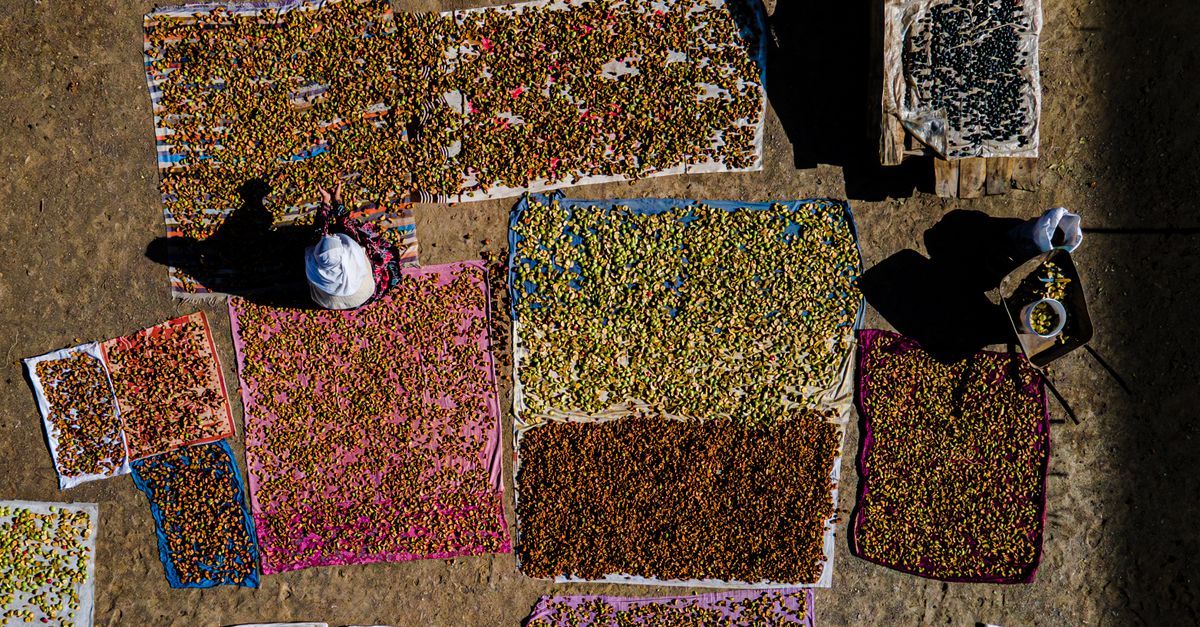
Ethiopia's plant clinics are enhancing biosecurity, helping farmers combat pests and diseases effectively.
In a country where agriculture is a backbone of the economy, Ethiopia is harnessing the power of plant clinics to bolster its biosecurity measures. These clinics, strategically located in various agricultural regions, are playing a crucial role in helping farmers identify and manage plant pests and diseases, which threaten crop yields and food security.
Empowering Farmers with Knowledge
The plant clinics operate by providing essential diagnostic services and advice to farmers. Experts at these clinics examine samples brought in by farmers, diagnose the issues, and recommend appropriate solutions. This hands-on approach not only helps in the immediate management of plant health issues but also educates farmers on preventive measures.
By offering targeted advice, the clinics enable farmers to apply the most effective treatments, reducing the overuse of chemicals and promoting sustainable farming practices. The clinics act as an educational hub where farmers can learn about integrated pest management, a strategy that combines biological, cultural, and chemical tools to manage pest populations safely and economically.
Strengthening National Biosecurity
The establishment of plant clinics is part of a broader national strategy to enhance biosecurity. By improving the detection and management of plant diseases, the clinics contribute to safeguarding Ethiopia's agricultural biodiversity. Early identification of issues prevents the spread of diseases and pests, which is vital for protecting both local and export crops.
The clinics also serve as a monitoring tool for emerging threats. By collecting data on prevalent plant health issues, they provide critical insights that inform national policy and response strategies. This data-driven approach enables the government to prioritize resources and interventions effectively.
Challenges and Future Prospects
While plant clinics have shown significant promise, they face challenges such as limited resources and the need for more trained personnel. Expanding the network of clinics and ensuring they are adequately staffed and equipped remains a priority.
Looking ahead, there is potential for these clinics to integrate digital tools that could enhance their diagnostic capabilities. Mobile applications and online platforms could facilitate quicker communication between farmers and plant health experts, broadening the clinics' reach and impact.
Overall, Ethiopia's plant clinics represent a proactive step towards strengthening the country's agricultural resilience. By empowering farmers and enhancing biosecurity, these clinics are crucial in ensuring a stable and sustainable agricultural future for Ethiopia.