
The Essential Role of Preventive Screenings in Wellness Plans
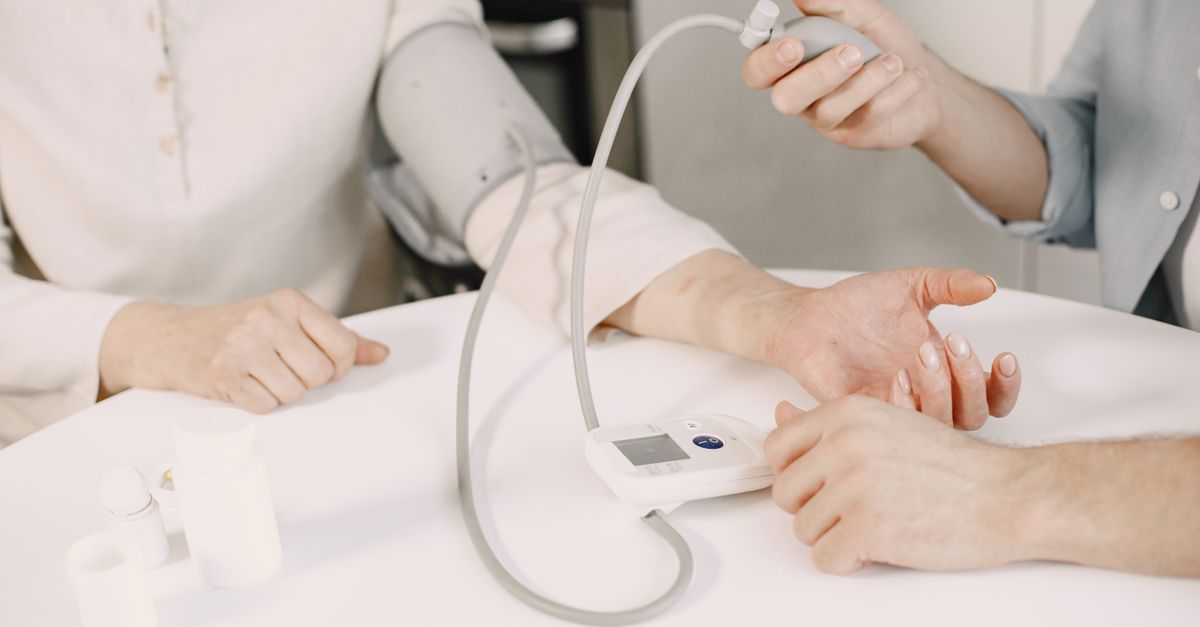
Incorporating preventive screenings in wellness plans can improve disease detection and reduce long-term healthcare costs.
Preventive screenings are often overshadowed by more immediate healthcare concerns, yet they serve as a cornerstone for effective wellness strategies. Unlike reactive medical interventions, preventive screenings aim to detect potential health issues before they manifest into serious conditions. This proactive approach is not merely beneficial for individual health but is also a cost-effective measure for the healthcare system at large.
Reducing Long-Term Healthcare Costs
One of the most compelling reasons to include preventive screenings in wellness plans is their potential to significantly reduce long-term healthcare costs. According to the Centers for Disease Control and Prevention (CDC), chronic diseases such as heart disease, cancer, and diabetes account for approximately 75% of the nation's healthcare spending. Early detection through screenings can lead to earlier treatment, which is often less expensive and more effective than treating advanced disease stages.
For example, a study published in the American Journal of Preventive Medicine showed that colorectal cancer screenings can save up to $14,000 per patient by catching the disease early when it's most treatable. Similar savings have been noted for other conditions like hypertension and diabetes when managed from the onset.
Improving Quality of Life Through Early Detection
Beyond financial implications, preventive screenings have a profound impact on an individual's quality of life. Early detection often translates into more treatment options and better health outcomes. For instance, breast cancer screening through mammography can reduce mortality by 20-40%, according to the National Cancer Institute.
Moreover, screenings for conditions such as high blood pressure and cholesterol can identify risk factors for heart disease and stroke, allowing patients to make lifestyle changes that might prevent the development of these conditions altogether. Such proactive health management not only extends lifespan but also enhances the quality of life by preventing debilitating health issues.
Understanding the Barriers to Preventive Screenings
Despite their clear benefits, preventive screenings are underutilized. Barriers such as lack of awareness, misinformation, and perceived inconvenience deter many from participating in regular screenings. The U.S. Preventive Services Task Force emphasizes the importance of education and outreach to overcome these barriers. By raising awareness and simplifying the screening process, healthcare providers can encourage more people to participate in preventive measures.
Additionally, socioeconomic factors play a significant role. Individuals without insurance or those with limited access to healthcare facilities are less likely to undergo preventive screenings. Addressing these disparities is crucial for ensuring that preventive screenings are accessible to all segments of the population.
Integrating Screenings into Routine Healthcare
For preventive screenings to be truly effective, they must be integrated into routine healthcare practices. This integration would involve primary care physicians taking an active role in recommending and scheduling screenings during regular check-ups. Furthermore, healthcare systems could use technology to track and remind patients of upcoming screenings, much like how vaccination schedules are managed.
Employers, too, can play a vital role by including preventive screenings in employee wellness programs. Offering screenings on-site or providing incentives for participation can increase uptake rates and promote a culture of health consciousness within organizations.
Ultimately, the integration of preventive screenings into wellness plans represents a shift toward a healthcare model that prioritizes prevention over treatment. As both individuals and organizations embrace this approach, the potential for improved health outcomes and reduced costs becomes increasingly tangible.
As healthcare continues to evolve, preventive screenings will remain a critical component of any effective wellness plan, offering a practical path toward a healthier future for individuals and communities alike.