
Essential First Aid Skills Every Caregiver Must Master
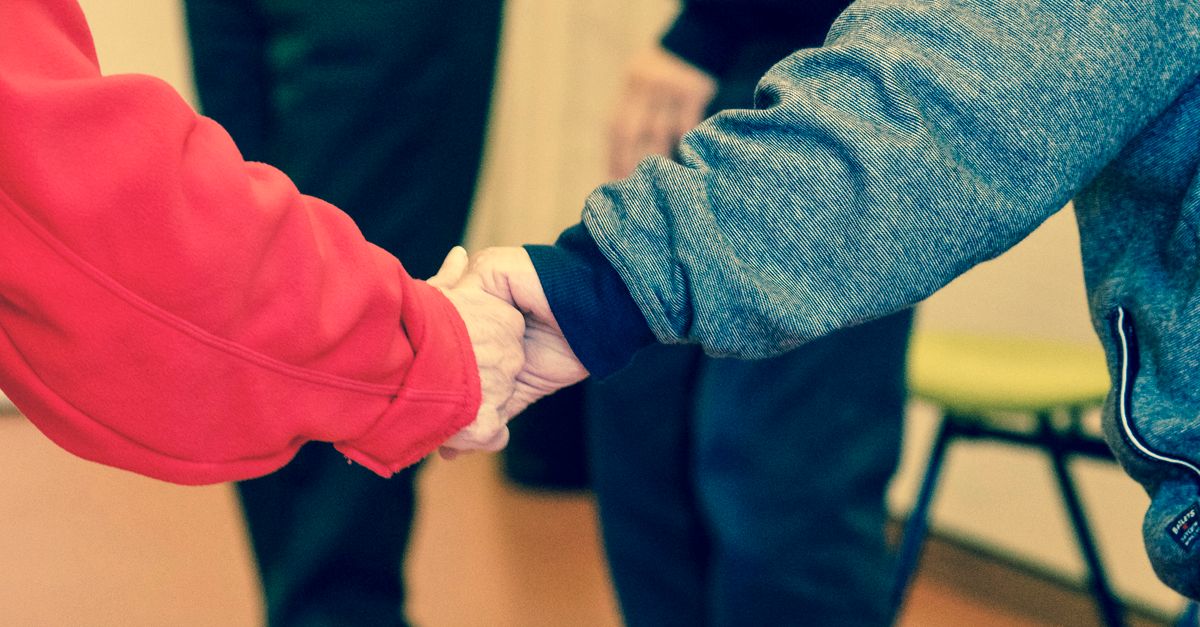
Caregivers must be equipped with essential first aid skills to ensure safety and quick response in emergencies.
Caring for others is a profound responsibility that often requires quick thinking and decisive action in emergencies. As a caregiver, possessing basic first aid skills is not just beneficial but necessary. These skills can help stabilize individuals until professional medical help arrives, potentially saving lives and preventing further harm.
Understanding Basic First Aid Principles
Before delving into specific skills, it's crucial to understand the basic principles of first aid. First aid is the immediate care given to a person who has been injured or is suddenly taken ill. The main objectives are to preserve life, prevent the condition from worsening, and promote recovery. Caregivers should always remain calm and assess situations carefully. Ensuring personal safety is also paramount before assisting others.
CPR and AED Usage
Cardiopulmonary resuscitation (CPR) is a life-saving technique used in emergencies when someone's breathing or heartbeat has stopped. As a caregiver, learning CPR can be critical in situations like cardiac arrest. It's a skill that can be learned through certified courses offered by organizations such as the Red Cross or local community health departments.
Automated External Defibrillators (AEDs) are devices that can assist in restarting the heart during sudden cardiac arrest. Understanding how to operate an AED is equally important, and most CPR courses include AED training.
Managing Choking Incidents
Choking is a common hazard, especially among children and the elderly. Caregivers should be familiar with the Heimlich maneuver, a first aid procedure used to treat upper airway obstructions by foreign objects. For infants, a different technique is used, involving back blows and chest thrusts.
Treating Cuts and Wounds
Minor cuts and wounds are frequent occurrences, and knowing how to properly clean and dress these injuries is vital. Caregivers should be equipped with a basic first aid kit containing antiseptic wipes, bandages, and adhesive tape. Properly cleaning the wound and applying a sterile dressing can prevent infections and promote healing.
Handling Burns
Burns can happen unexpectedly, whether from hot liquids, sun exposure, or chemicals. Caregivers should understand how to cool burns immediately with running water and avoid using ice or ointments. Covering the burn with a sterile, non-stick bandage protects the area from infection.
Responding to Allergic Reactions
Allergic reactions vary in severity, with anaphylaxis being life-threatening. Caregivers should recognize the signs of severe allergic reactions and know how to administer an epinephrine auto-injector (EpiPen) if prescribed. Quick intervention is crucial to prevent further complications.
Recognizing and Managing Strokes
Strokes require immediate medical attention, and caregivers should know the FAST method: Face drooping, Arm weakness, Speech difficulties, and Time to call emergency services. Prompt recognition and action can significantly impact the outcome for the individual.
First Aid for Fractures and Sprains
In cases of suspected fractures or sprains, caregivers should immobilize the affected area and avoid moving the person unnecessarily. Applying a cold compress can help reduce swelling and pain until medical help is available.
The Importance of Ongoing Training
First aid skills require regular updates and practice. Caregivers should attend refresher courses to ensure they remain effective in emergencies. Many local community centers and hospitals offer first aid training sessions.
Conclusion
Having the right first aid skills empowers caregivers to act effectively and confidently in emergencies. These skills not only help in addressing immediate health concerns but also provide reassurance to those in their care. Regular training and a well-stocked first aid kit are essential components of effective caregiving.