
ER Overcrowding in NYC: Unpacking the Causes Behind the Crisis
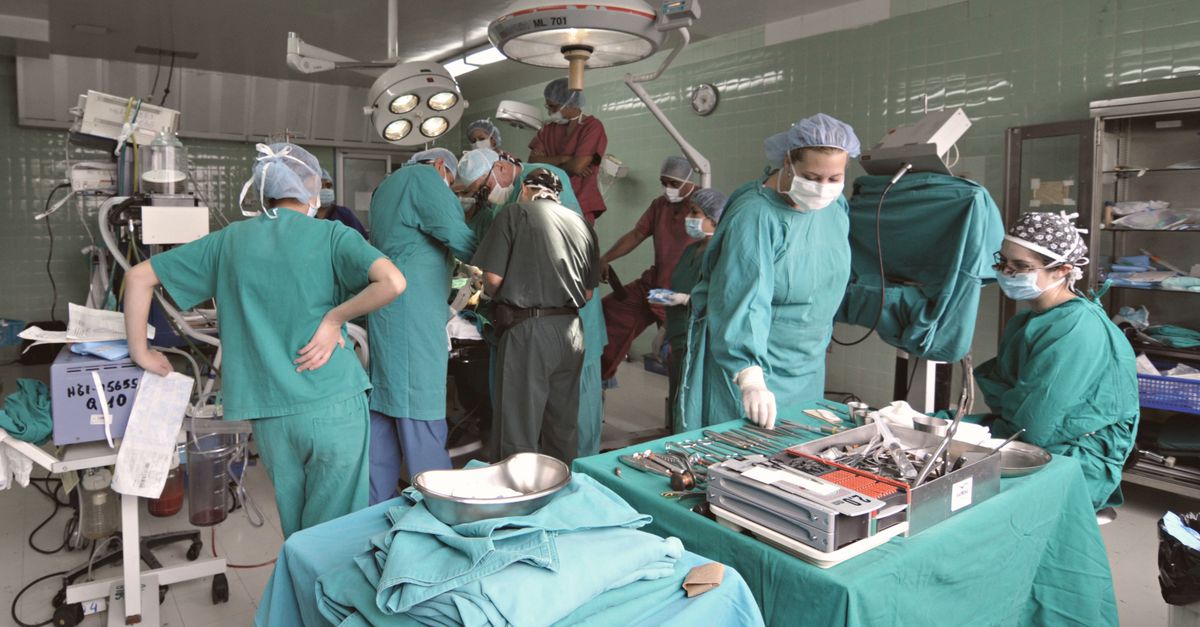
New York City's ERs are swamped, driven by staffing shortages, insurance hurdles, and a spike in chronic illnesses.
In recent months, emergency rooms across New York City have become emblematic of a healthcare system stretched to its limits. Patients are waiting longer than ever before, with some spending hours in packed waiting areas before seeing a doctor. This overcrowding is not merely an inconvenience; it is a crisis affecting patient outcomes and safety.
Why Staffing Shortages Are Critical
The shortage of healthcare professionals is an undeniable factor exacerbating the overcrowding crisis. According to the New York State Department of Health, the city faces a significant deficit in registered nurses and emergency physicians. This shortage has been partially attributed to the COVID-19 pandemic, which saw many healthcare workers leave the profession due to burnout and stress.
Moreover, the American Nurses Association has warned that the national shortage might worsen, affecting patient care quality. Emergency rooms, where quick decision-making is crucial, suffer immensely from staffing deficits. Fewer nurses and doctors mean longer wait times and increased patient risk.
The Role of Insurance and Medicaid
Insurance complexities add another layer to the overcrowding issue. New Yorkers frequently find their access to primary care limited due to insurance network restrictions, leading them to seek care in ERs for non-emergency conditions. According to a 2022 report by the Centers for Medicare & Medicaid Services (CMS), Medicaid patients are more likely to use emergency services due to difficulties in accessing primary care.
As Medicaid expansion under the Affordable Care Act brought more patients into the system, it unintentionally increased emergency room visits. Patients, particularly those with chronic illnesses, often rely on ERs for routine care, clogging the system.
Chronic Illnesses and an Aging Population
Chronic illnesses like diabetes, heart disease, and respiratory disorders have surged, partially due to lifestyle factors but also because of an aging population. The Centers for Disease Control and Prevention (CDC) reports that chronic diseases account for 90% of the nation’s $3.8 trillion in annual healthcare costs. In New York City, the aging demographic increases the demand for healthcare services, particularly in emergency settings.
Many of these patients require frequent medical attention, often turning to ERs when primary care options are unavailable. This trend is likely to continue as the Baby Boomer generation ages, further stressing the city's emergency departments.
Potential Solutions and Future Directions
Addressing ER overcrowding requires a multi-faceted approach. The New York City Health Department has launched initiatives to expand access to primary care, aiming to divert non-emergency cases from ERs. Telemedicine has also emerged as a potential solution, providing patients with immediate consultations and reducing unnecessary ER visits.
However, systemic changes are needed to ensure long-term improvements. Recruiting more healthcare workers through incentives and streamlined licensing processes could alleviate staffing shortages. Additionally, enhancing Medicaid reimbursement rates might encourage more primary care providers to accept these patients, reducing their reliance on ER services.
As New York City grapples with these challenges, the solutions implemented here could serve as a model for other urban centers facing similar issues. The path forward demands innovation, funding, and a commitment to patient-centered care.