
Ensuring Safe Water: A Crucial Strategy for Disease Prevention
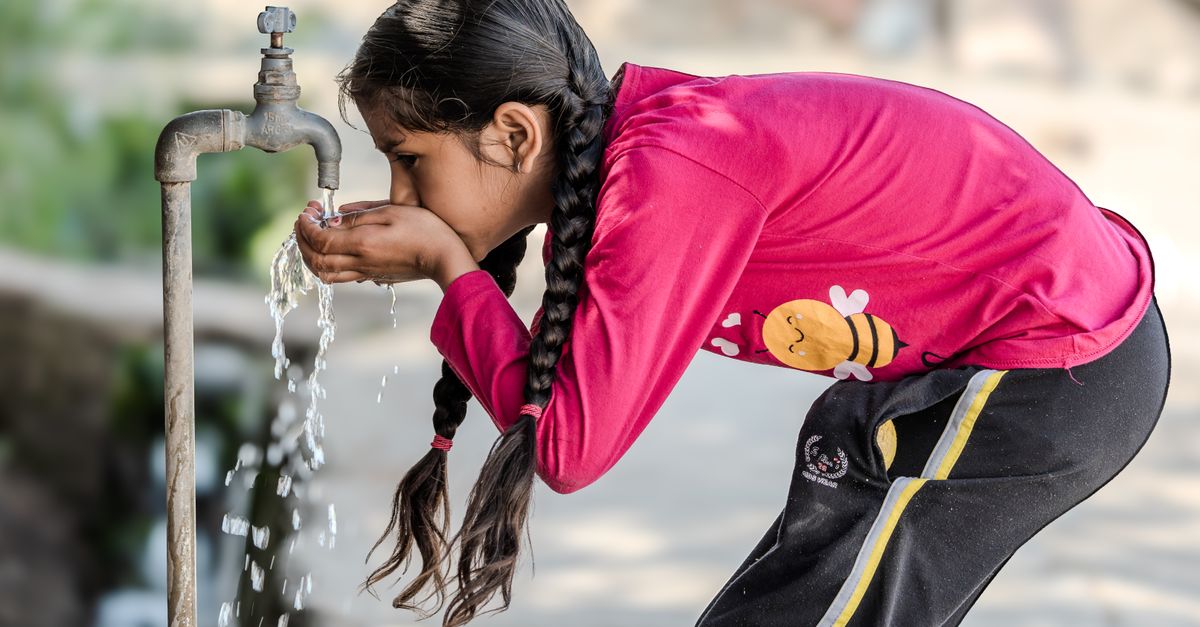
Access to clean water is fundamental in preventing diseases and safeguarding global health.
Access to clean and safe water is more than a basic human necessity; it is a cornerstone of public health strategy and disease prevention. Contaminated water is a breeding ground for pathogens, contributing to the global burden of disease. According to the World Health Organization (WHO), unsafe water and poor sanitation are responsible for nearly 1.7 million deaths annually, primarily from infectious diseases such as cholera, diarrhea, dysentery, hepatitis A, and typhoid fever.
The Global Water Crisis and Health Implications
The lack of access to clean water affects approximately 2 billion people worldwide. This crisis is exacerbated by infrastructure challenges, population growth, and climate change, leading to an increased incidence of waterborne diseases. In regions where infrastructure is lacking, people often rely on surface water sources that are susceptible to contamination from industrial waste, agricultural runoff, and inadequate sanitation facilities.
In developing countries, the health implications are particularly severe. Waterborne diseases are among the leading causes of mortality in children under five. The Centers for Disease Control and Prevention (CDC) emphasizes that improving water quality could reduce childhood mortality by up to 58%.
Policy Interventions and Technological Solutions
Governments and international organizations are increasingly focusing on policy interventions to address water quality issues. The United Nations' Sustainable Development Goal 6 aims to ensure availability and sustainable management of water and sanitation for all by 2030. Achieving this goal requires not only investment in infrastructure but also innovative policy solutions that prioritize equitable access to clean water.
Technological advancements are playing a crucial role in improving water quality. From advanced filtration systems to real-time water quality monitoring technologies, innovations are helping to detect and mitigate contamination risks more efficiently. Remote sensing technology, for instance, is being used to monitor water bodies and predict contamination events, allowing for quicker response and management.
Community-Based Approaches to Safe Water Access
While technological and policy solutions are essential, community-based approaches are equally vital in ensuring water safety. Education and local engagement can empower communities to maintain and improve water quality. Programs that teach proper sanitation practices and advocate for the protection of water sources are making a significant impact, particularly in rural and underserved areas.
Organizations like Water.org are working to provide micro-loans for water and sanitation projects, enabling families to invest in safe water solutions. By involving communities in the management of their water resources, these initiatives are fostering sustainability and resilience.
Looking Ahead: The Path to Universal Water Safety
The path to universal water safety lies not only in technological and infrastructural advancements but also in fostering a global commitment to equitable access. As climate change continues to alter water availability and quality, adaptive strategies will be critical. Policymakers, scientists, and communities must collaborate to create sustainable solutions that address the root causes of water contamination.
Ultimately, ensuring safe water access is not just about preventing disease; it is about preserving human dignity and health. As the WHO articulates, "Safe water is essential for life." Achieving universal access requires concerted efforts and innovative approaches, ensuring that future generations inherit a world where clean water is a given, not a privilege.