
Effective Strategies to Prevent Hypertensive Crisis for All Ages
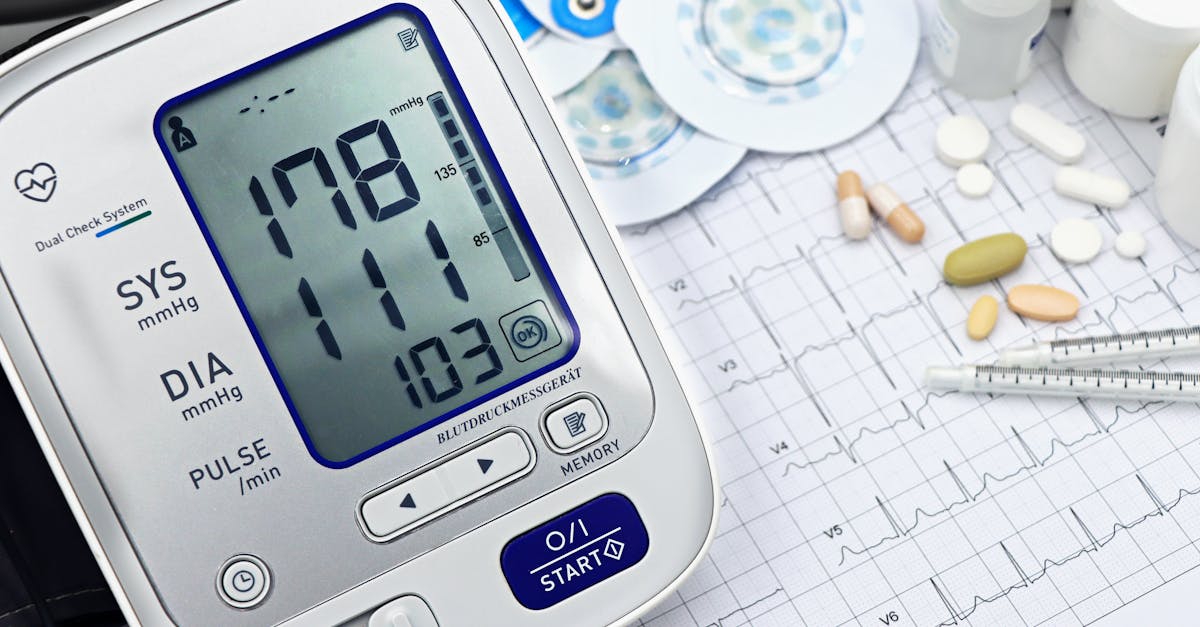
Managing blood pressure is crucial to avoid crises.
Hypertensive crisis, characterized by severely elevated blood pressure, poses significant health risks, including stroke and heart failure. This condition can occur abruptly and is often overlooked, leading to serious consequences across all age groups. Awareness and preventive measures are essential in mitigating the risks associated with hypertensive crises. In this article, we will delve into the understanding of hypertensive crises and outline effective strategies to prevent them, fostering a healthier society.
Understanding Hypertensive Crisis: A Growing Concern for All Ages
Hypertensive crisis is typically categorized into two types: hypertensive urgency and hypertensive emergency. In urgency, blood pressure levels soar above 180/120 mmHg but do not result in acute organ damage. Conversely, an emergency indicates the presence of significant organ damage, necessitating immediate medical intervention. Both scenarios can occur in individuals across various age groups, making it crucial for everyone to be aware of the factors contributing to high blood pressure.
A multitude of factors can contribute to the onset of a hypertensive crisis, including poor lifestyle choices, chronic health conditions, and genetic predispositions. Stress, a sedentary lifestyle, unhealthy eating habits, and substance abuse are prevalent in today's fast-paced world. Moreover, conditions such as diabetes and obesity significantly increase the risk of hypertension. Understanding these risk factors is pivotal for individuals to take proactive measures to maintain their blood pressure within a healthy range.
Education plays a vital role in combating hypertensive crises. Regular screenings for blood pressure can help identify those at risk, while community health initiatives can provide valuable resources for managing hypertension. Public awareness campaigns focusing on lifestyle modifications and risk factor recognition are essential in fostering a culture of proactive health management. By promoting education on hypertension, society can empower individuals to take charge of their health and reduce the prevalence of hypertensive crises.
Proven Strategies to Safeguard Against Hypertensive Emergencies
Adopting a balanced diet is one of the most effective strategies for preventing hypertensive crises. The Dietary Approaches to Stop Hypertension (DASH) diet emphasizes the consumption of fruits, vegetables, whole grains, and lean proteins while minimizing sodium intake. Research consistently shows that a diet low in salt and rich in potassium and magnesium can significantly lower blood pressure. This dietary adjustment is beneficial for individuals of all ages and can be particularly impactful in reducing hypertension risk.
Regular physical activity is another essential component in the prevention of hypertensive crises. Aim for at least 150 minutes of moderate-intensity aerobic exercise each week, such as brisk walking, cycling, or swimming. Exercise helps improve circulation, manage weight, and reduce stress—all critical factors in controlling blood pressure. It's important for individuals, regardless of age, to find physical activities they enjoy, making it easier to incorporate exercise into their daily routines.
Managing stress is equally crucial in preventing hypertensive emergencies. Techniques such as mindfulness, yoga, and deep-breathing exercises can significantly lower stress levels, which in turn helps control blood pressure. Furthermore, fostering strong social connections and seeking support from friends and family can enhance emotional well-being. Incorporating these stress-management strategies can create a holistic approach to health, ultimately reducing the risk of hypertensive crises across different age groups.
Preventing hypertensive crises is a multifaceted endeavor that requires awareness, education, and proactive lifestyle changes. By adopting healthier dietary habits, engaging in regular exercise, and managing stress effectively, individuals can significantly reduce their risk of hypertension. This is a collective responsibility that spans generations and communities. Promoting these strategies can lead to healthier lives and a reduction in the incidence of hypertensive emergencies, emphasizing the importance of preventive care in today's society.