
Effect of pollution on hair fall and scalp damage
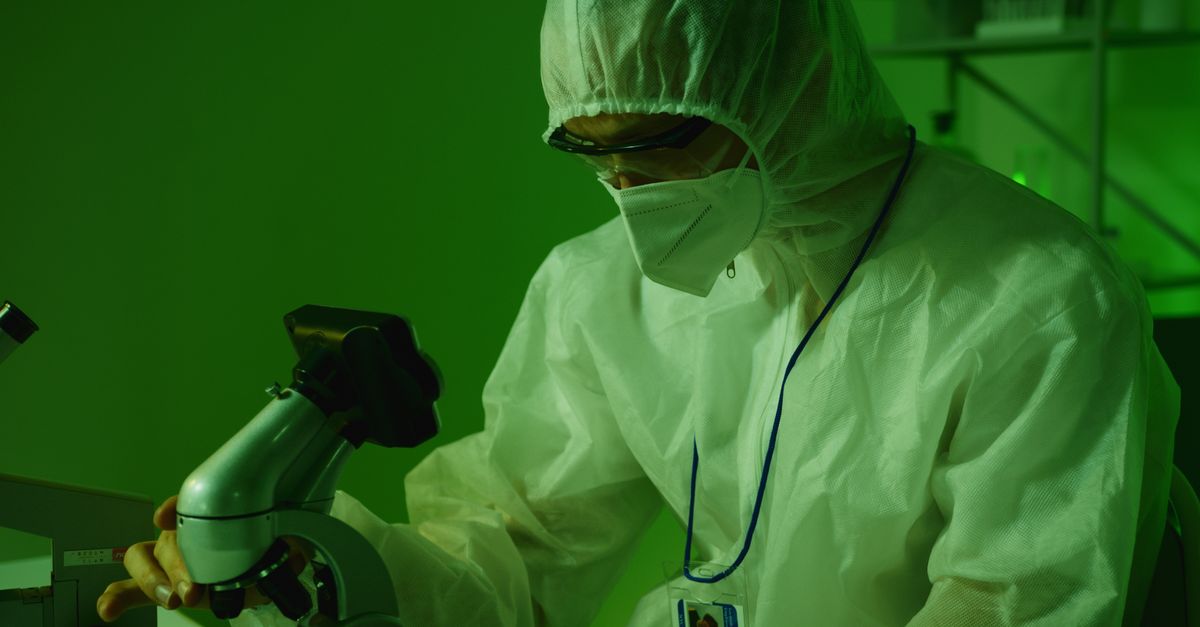
Pollution significantly impacts hair health and scalp integrity.
As urbanization accelerates and industrial activities expand, pollution has emerged as a significant concern for public health. One often-overlooked consequence of environmental pollution is its impact on hair health, particularly regarding hair fall and scalp damage. This article explores the intricate relationship between pollution and hair, shedding light on how environmental factors can compromise the integrity of hair and scalp.
Understanding the Link Between Pollution and Hair Health
Pollution can take many forms, including particulate matter, chemicals, and toxins that permeate the air, water, and soil. These pollutants can infiltrate the body through inhalation, ingestion, or skin contact, leading to various health issues. When it comes to hair health, pollutants can cause oxidative stress, which damages hair follicles and leads to hair loss. Studies suggest that exposure to pollutants correlates with increased levels of inflammation, which can further impair hair growth cycles.
Moreover, heavy metals, such as lead and mercury, have been linked to hair damage. Research indicates that these metals can disrupt cellular processes in hair follicles, leading to hair thinning and, in some cases, complete hair loss. Additionally, the presence of toxic chemicals in hair care products can exacerbate these problems, particularly when combined with environmental pollutants. These factors create a multifaceted challenge for individuals concerned about maintaining healthy hair.
The impact of pollution is particularly pronounced in urban areas, where levels of particulate matter are significantly higher compared to rural settings. People living in cities often experience hair fall at a higher rate, highlighting the urgent need for public awareness about this issue. Understanding the effects of pollution on hair health can empower individuals to make informed decisions about their hair care routines and overall well-being.
Scalp Damage: How Environmental Factors Contribute to Hair Loss
The scalp serves as the foundation for healthy hair growth, and its health can be compromised by various environmental factors. Pollutants can lead to scalp irritation, inflammation, and even conditions like dermatitis, which can hinder hair growth. When the scalp is damaged, the hair follicles can become weak, leading to increased hair fall. The presence of toxins can also disrupt the natural pH balance of the scalp, further contributing to hair-related issues.
In addition to direct damage from pollutants, lifestyle factors associated with urban living, such as increased stress and poor diet, can exacerbate scalp problems. For example, a diet high in processed foods and low in essential nutrients can weaken hair and scalp health. Coupled with the effects of pollution, these lifestyle choices can lead to a perfect storm for hair loss. Experts suggest that adopting a balanced diet rich in vitamins and minerals is crucial for countering the adverse effects of pollutants.
Preventive measures, such as regular scalp cleansing and the use of protective hair care products, can help mitigate the damage caused by pollution. Natural ingredients like aloe vera and tea tree oil have been shown to soothe the scalp and promote healthier hair growth. Individuals are encouraged to adopt a holistic approach to hair care, considering both environmental factors and personal habits that contribute to scalp health.
In conclusion, the link between pollution and hair health is a growing area of concern that calls for greater public awareness. While the effects of environmental pollutants on hair fall and scalp damage are well-documented, understanding these issues allows individuals to take proactive steps toward maintaining their hair health. By adopting healthier lifestyle choices and caring for their scalp, people can better navigate the challenges posed by pollution. As our environment continues to change, staying informed and proactive will be essential in promoting long-term hair health.