
Ebola Death Toll Surpasses 2,000 in DRC Amid Vaccine Efforts
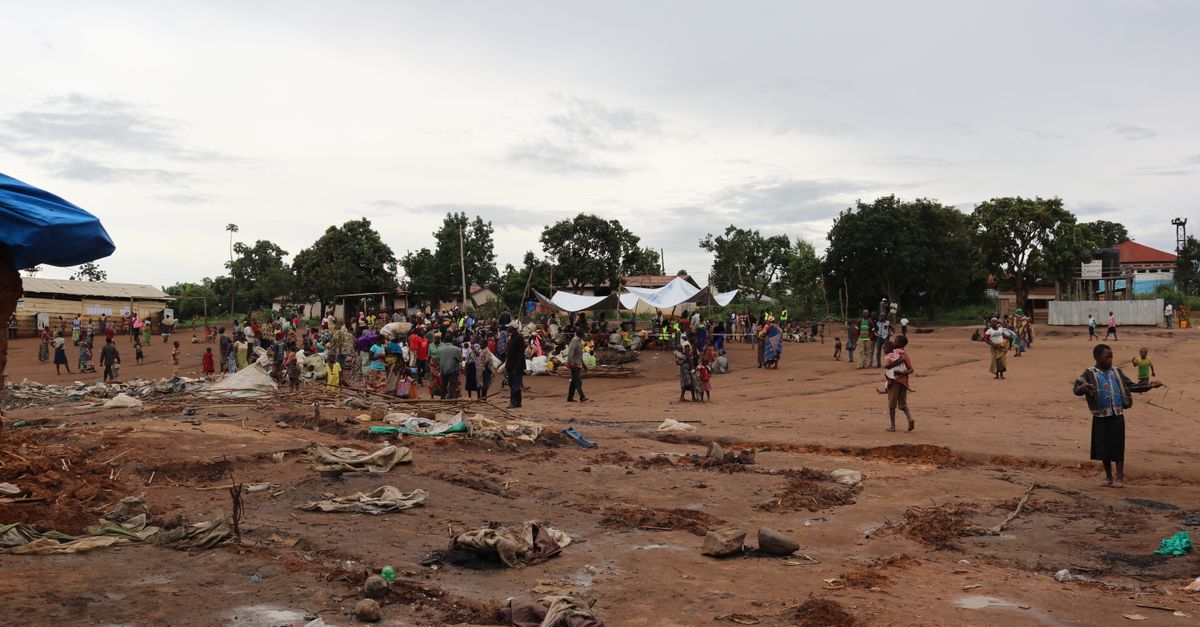
Ebola fatalities in the DRC have exceeded 2,000, prompting urgent calls for vaccine development and community-led containment strategies.
The Ebola outbreak in the Democratic Republic of Congo (DRC) has claimed over 2,000 lives, marking a grim milestone in the region's struggle against the deadly virus. This outbreak is the second largest in history, trailing only the 2014-2016 epidemic in West Africa. The World Health Organization (WHO) and the Africa Centers for Disease Control and Prevention (Africa CDC) are urging intensified efforts to curb the virus's spread.
Efforts to Develop a Vaccine Intensify
As the death toll rises, scientists are racing against time to develop an effective vaccine. Despite existing experimental vaccines, logistical challenges and community resistance have hindered widespread immunization efforts. The WHO has emphasized the need for community engagement to ensure successful vaccination campaigns.
Authorities are focusing on overcoming mistrust and misinformation within communities, which have been significant barriers to vaccination efforts. The WHO and local health officials are collaborating to address these issues through education and dialogue.
Community-Led Initiatives Urged
The WHO and Africa CDC have called for urgent, community-led actions to contain the outbreak. These organizations stress the importance of grassroots involvement in implementing health measures and spreading accurate information about the disease and its prevention.
Local leaders and organizations are being encouraged to take active roles in the response, fostering trust and cooperation within affected communities. This approach aims to enhance the effectiveness of public health interventions and ensure compliance with preventive measures.
International Support and Challenges
International aid continues to flow into the DRC, with numerous countries and organizations contributing resources and expertise. However, the region's ongoing conflict and instability create significant challenges for healthcare workers and responders.
Security concerns have sometimes interrupted health operations, complicating efforts to reach affected populations. Despite these challenges, the international community remains committed to supporting the DRC in its fight against Ebola.
The current outbreak serves as a stark reminder of the importance of global health preparedness and the need for continued investment in research and infrastructure to combat infectious diseases.