
Early Surgery Key in Complex Craniofacial Trauma Case
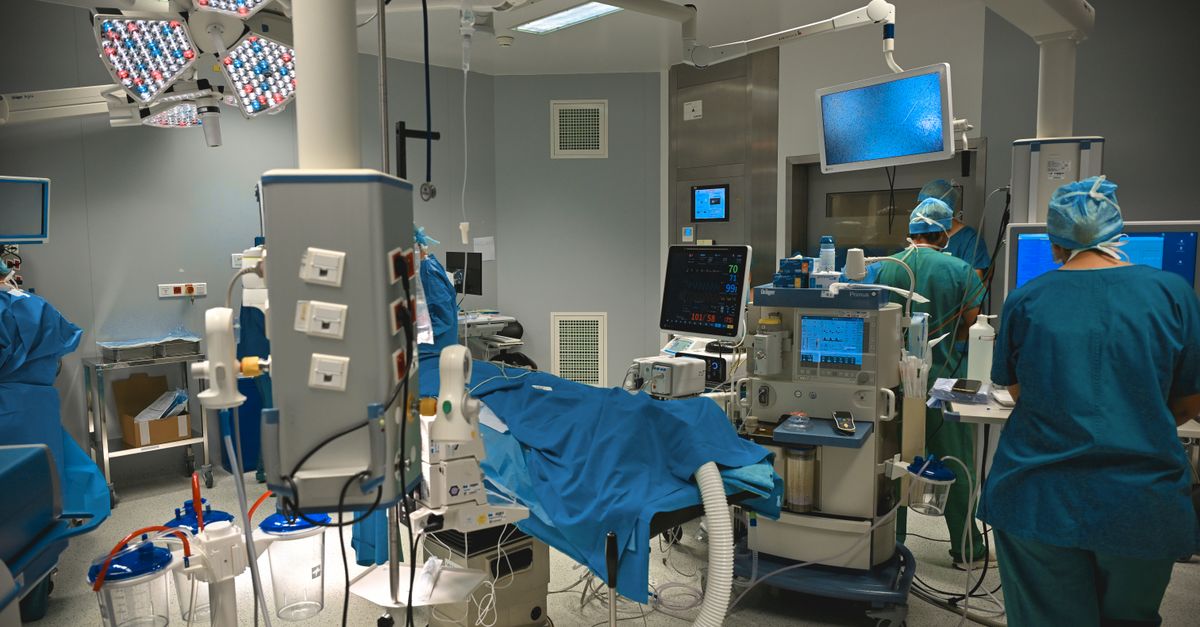
A multidisciplinary team successfully managed severe craniofacial trauma using early surgery and osteosynthesis.
A recent case report published in Cureus highlights the successful management of a severe craniofacial trauma case involving bilateral epidural hematomas and complex fractures. The patient, who suffered from skull base and midface fractures, was treated through a coordinated approach involving early multidisciplinary damage control surgery and immediate osteosynthesis.
Complexity of the Injury
The patient presented with significant craniofacial injuries, including bilateral epidural hematomas. These are collections of blood between the inner surface of the skull and the dura mater, which can be life-threatening if not addressed promptly. Additionally, the patient had complex fractures of the skull base and midface, necessitating a comprehensive surgical strategy.
Multidisciplinary Approach to Treatment
The medical team employed a multidisciplinary approach to manage the severe injuries. This strategy involved specialists from various fields including neurosurgery, maxillofacial surgery, and trauma care. Early intervention was critical, as the team aimed to stabilize the patient's condition through damage control surgery. This initial surgical step was designed to mitigate life-threatening risks and prepare the patient for subsequent procedures.
Immediate Osteosynthesis
Following the initial stabilization, the team proceeded with immediate osteosynthesis. This surgical technique involves the use of metal plates and screws to realign and stabilize fractured bones. Osteosynthesis was crucial in restoring the structural integrity of the patient's craniofacial skeleton and facilitating the healing process.
The case underscores the importance of early surgical intervention and the benefits of a coordinated, multidisciplinary approach in managing complex craniofacial trauma. Such strategies not only enhance patient outcomes but also reduce the risk of long-term complications.
Implications for Future Trauma Care
This case report offers valuable insights for medical professionals dealing with similar injuries. The success of the treatment highlights the need for quick decision-making and collaboration among various medical specialties. It also emphasizes the role of immediate osteosynthesis in improving recovery times and functional outcomes for patients with severe craniofacial trauma.
As the medical community continues to refine its approaches to trauma care, such case studies contribute to the growing body of evidence supporting multidisciplinary and early surgical interventions. These practices are becoming increasingly important in optimizing care for patients with complex injuries.