
How Early Detection Could Revolutionize Indian Healthcare Economics
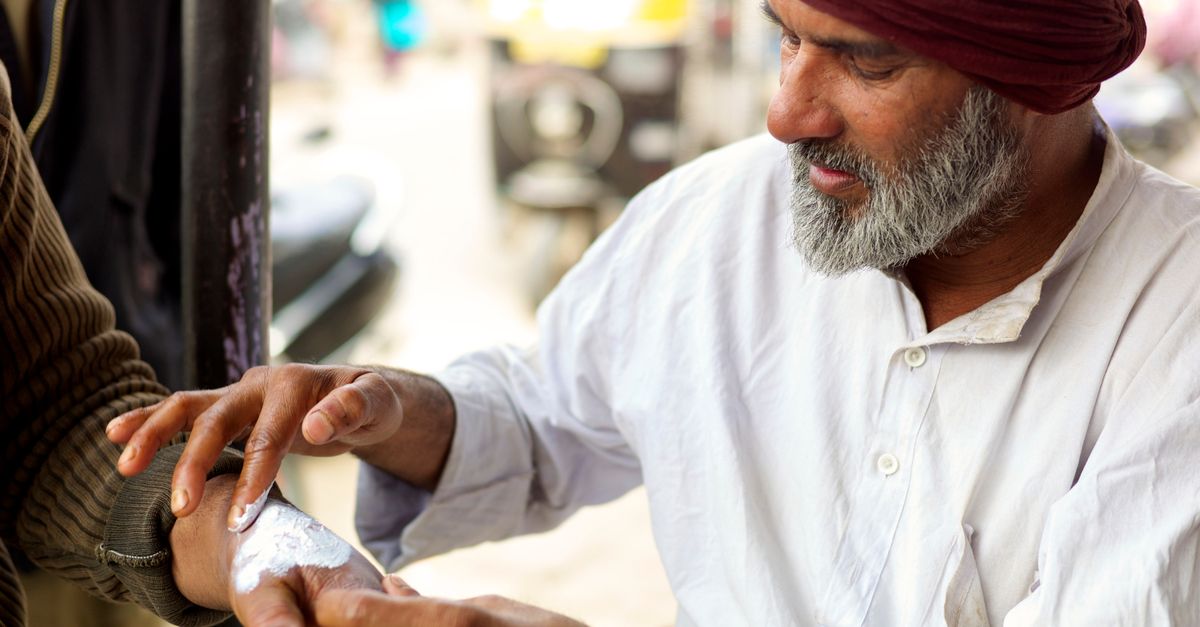
Early detection in healthcare could profoundly impact India's economy, reducing costs and improving outcomes.
India's healthcare system is on the cusp of transformation, driven by the potential of early detection technologies. While the nation grapples with an overburdened healthcare infrastructure and rising costs, the promise of early diagnosis offers a beacon of hope for both patients and the economy. By identifying diseases at their nascent stages, healthcare providers can not only improve patient outcomes but also significantly cut expenses, reshaping the economic landscape of Indian healthcare.
Why Early Detection Matters in India
The economic implications of early disease detection are particularly significant in India, where healthcare expenditure is a pressing concern. With a population exceeding 1.4 billion, the demand for medical services is immense, yet resources remain limited. The World Bank reports that India spends a mere 3.5% of its GDP on healthcare, which is dwarfed by the needs of its populous. Early detection can serve as a cost-effective strategy, allowing for interventions that are less invasive and more affordable than treatments required at advanced disease stages.
Cancer, diabetes, and heart disease are prevalent in India and extracting a heavy economic toll. For instance, the cost of treating cancer can range from INR 5 lakh to INR 20 lakh, often leading to catastrophic healthcare expenditure for families. Early detection can substantially decrease these costs by enabling earlier, less expensive treatments.
Technologies Making a Difference
The rise of technologies such as AI-driven diagnostics, wearable health devices, and advanced imaging techniques are at the forefront of this early detection movement. Companies like Niramai are developing non-invasive, radiation-free cancer screening solutions using thermal imaging and AI, which are particularly suited for the Indian context where access to advanced medical facilities is limited.
Similarly, the use of AI in the interpretation of medical imaging can expedite the diagnostic process, freeing up valuable resources and reducing the burden on healthcare professionals. For example, Qure.ai has developed algorithms that can quickly and accurately identify conditions like tuberculosis and brain injuries from X-rays and CT scans. These technologies not only promise to improve diagnostic accuracy but also make healthcare more accessible and affordable.
Challenges and Considerations
However, integrating early detection into the Indian healthcare system is not without its challenges. The initial cost of adopting new technologies can be prohibitive for budget-constrained public health facilities. Additionally, there is a need for a robust regulatory framework to ensure the safety and efficacy of these emerging technologies.
Training healthcare professionals to effectively use these advanced diagnostic tools is also critical. The lack of trained personnel can hinder the widespread adoption of early detection technologies, especially in rural areas where healthcare access is already limited.
The Path Forward
Despite these challenges, the potential benefits of early detection are too significant to ignore. Policymakers must prioritize investments in healthcare technology and create incentives for private players to innovate and invest in early detection solutions. Public-private partnerships could be a key strategy in scaling these technologies across the nation.
Moreover, awareness campaigns and education initiatives will be crucial to encourage early health screenings among the general population. Preventive healthcare must become a national priority to shift the focus from treatment to prevention, ultimately reducing the long-term economic burden on the healthcare system.
As India moves forward, embracing early detection technologies could redefine its healthcare economics, offering a sustainable model that balances cost, accessibility, and quality. The transformation may start with a single test, but the ripple effects could lead to a healthier, more economically stable future for millions.