
DRC Faces Surge with 26 Million Malaria Cases in 2025
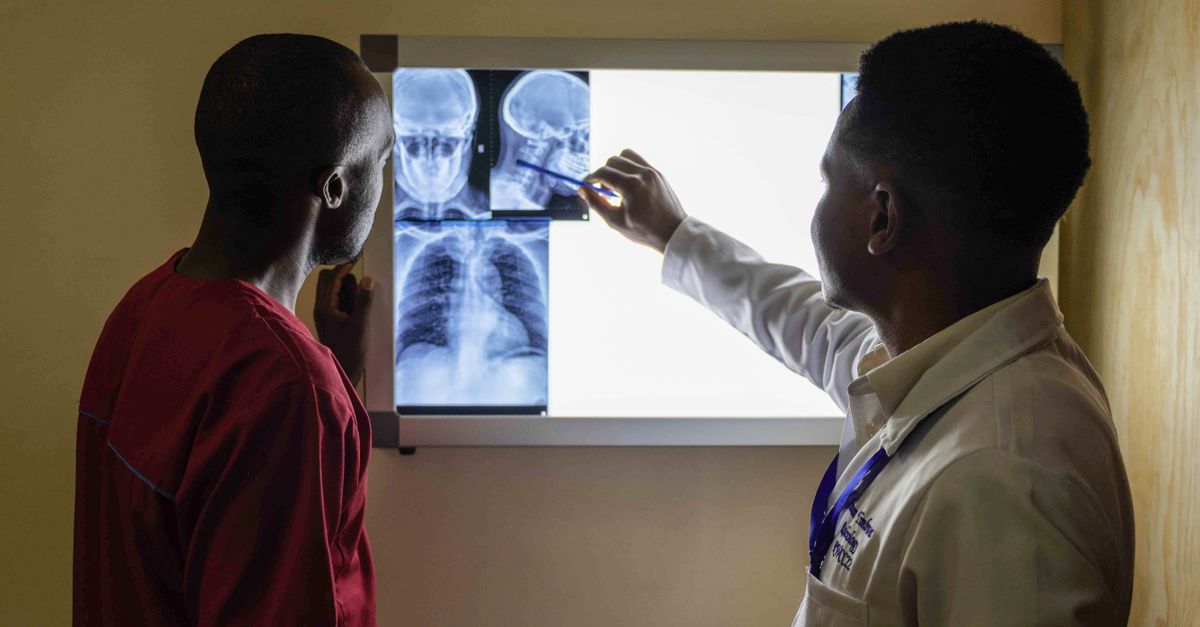
The Democratic Republic of the Congo is grappling with a staggering 26 million malaria cases as 2025 unfolds, highlighting a severe public health crisis.
The Democratic Republic of the Congo (DRC) is experiencing a public health crisis as it grapples with 26 million malaria cases reported in 2025. This alarming figure underscores the persistent challenge malaria poses to the nation, despite ongoing efforts to combat the disease.
Malaria's Impact on Public Health in DRC
Malaria remains one of the leading causes of morbidity and mortality in the DRC. The country, with its vast tropical climate, provides an ideal breeding ground for mosquitoes, the primary vectors of malaria. The latest data reveals a staggering increase in cases, reflecting both the endemic nature of the disease and the challenges in controlling its spread.
The World Health Organization (WHO) has consistently highlighted the DRC as a high-burden country for malaria. Efforts to reduce the incidence of the disease have been hampered by several factors including limited healthcare infrastructure, logistical challenges in remote areas, and insufficient funding for comprehensive malaria control programs.
Efforts to Combat Malaria
Several initiatives have been launched over the years to address the malaria crisis in the DRC. These include the distribution of insecticide-treated mosquito nets, indoor residual spraying, and community awareness campaigns. Despite these efforts, the sheer scale of the problem requires sustained international support and innovative approaches to make a significant impact.
Healthcare organizations and NGOs continue to work alongside the DRC government to enhance diagnostic and treatment facilities. However, the increase in cases suggests that more targeted strategies might be necessary to effectively curb the disease's spread.
Call for International Support
The DRC's malaria crisis has triggered calls for increased international assistance. Experts emphasize the need for a coordinated global response to provide the necessary resources and expertise. This includes financial aid, technical support, and the deployment of new technologies for disease surveillance and management.
Addressing the malaria burden in the DRC is not only crucial for the health of its citizens but also for regional stability and economic development. As the world continues to battle various health challenges, the situation in the DRC serves as a stark reminder of the ongoing fight against malaria and the need for sustained, collaborative efforts.