
Dr. Paul Russell, Innovator in Transplant Surgery, Passes at 101
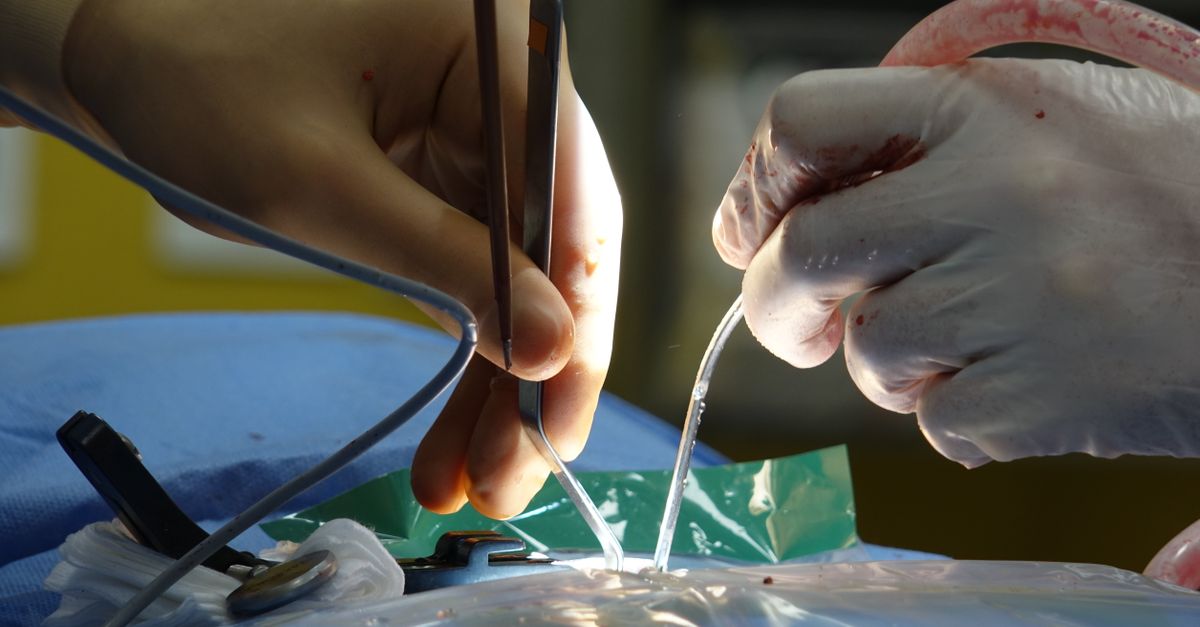
Dr. Paul Russell, a pioneer in organ transplant surgery, has died at 101. His groundbreaking work revolutionized the safety and effectiveness of transplants.
Dr. Paul Russell, a transformative figure in the field of organ transplantation, passed away at the age of 101. His work, which began with his first kidney transplant in 1963, laid the foundation for modern transplant surgery, saving countless lives and advancing medical science significantly.
Legacy of a Medical Pioneer
Dr. Russell's career spanned several decades, during which he was at the forefront of developing techniques that made organ transplants safer and more effective. In the early days, such procedures were fraught with risk, often resulting in high mortality rates. However, Russell's innovations and dedication to improving surgical outcomes dramatically changed this narrative.
His early work focused on kidney transplants, a procedure that was initially experimental and considered highly dangerous. Through meticulous research and persistent efforts, Dr. Russell contributed to the development of immunosuppressive therapies, which have become standard practice in preventing organ rejection.
Impact on Medical Science
Beyond his technical contributions, Dr. Russell was deeply committed to the ethical considerations of organ transplantation. He was a vocal advocate for policies that ensured fair and equitable access to transplant procedures, recognizing the complex moral landscape of organ donation and allocation.
His influence extended beyond the operating room, as he mentored countless young surgeons and medical professionals. Many of his protégés have gone on to become leaders in the field themselves, carrying forward his legacy of innovation and compassion.
Remembering a Life Well Lived
Dr. Russell's passing was noted by colleagues and patients alike, who remembered him not only as a brilliant surgeon but also as a compassionate healer. Willie Geist from Sunday TODAY reflected on his impactful life, emphasizing the personal connections Russell forged with those he treated and worked alongside.
His contributions to medical science have left an indelible mark, influencing the trajectory of transplant medicine and improving the lives of countless patients worldwide. As the medical community mourns his loss, there is a renewed commitment to continue his work, ensuring that the field of organ transplantation continues to advance and save lives.