
Dr. Devi Prasad Shetty Urges Cholesterol Checks for Indians Over 18
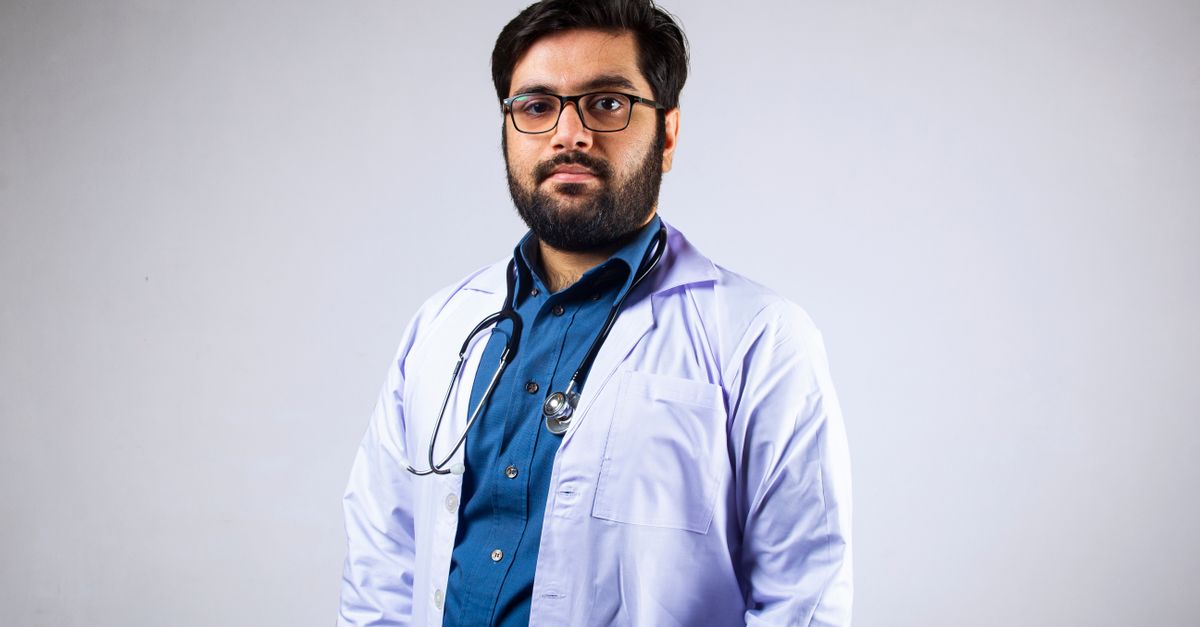
Cardiac surgeon Dr. Devi Prasad Shetty recommends all Indians over 18 monitor their cholesterol levels to combat rising heart disease rates.
Dr. Devi Prasad Shetty, a leading cardiac surgeon, has issued a call for all Indians aged 18 and above to routinely check their cholesterol levels. This recommendation comes amid rising concerns about the prevalence of heart disease in the country.
Rising Heart Disease Concerns
Dr. Shetty's advice highlights the escalating issue of heart-related ailments in India, which are increasingly affecting younger populations. The renowned surgeon emphasized that early detection through regular cholesterol screenings can play a crucial role in mitigating risks associated with cardiovascular diseases.
The call for widespread cholesterol monitoring is part of a broader strategy to address the growing incidence of heart disease, which remains a leading cause of mortality in India. Dr. Shetty noted that lifestyle changes, including diet and exercise, along with regular health screenings, are essential components in preventing heart conditions.
Cholesterol and Cardiovascular Health
Cholesterol, a fatty substance found in the blood, can lead to the buildup of plaques in arteries, increasing the risk of heart attacks and strokes. Regular monitoring helps in early identification of high cholesterol levels, allowing individuals to take preventive measures such as dietary adjustments and, if necessary, medication.
Dr. Shetty's recommendation aligns with global health guidelines that advocate for regular cholesterol checks, particularly in populations with high rates of heart disease. By advocating for these screenings, he aims to encourage a proactive approach to health management among Indians.
Addressing a Growing Epidemic
The call to action is not only a preventive health measure but also a response to the alarming statistics surrounding heart health in India. According to recent studies, heart disease accounts for a significant proportion of deaths in the country, with lifestyle factors playing a major role in its prevalence.
Experts suggest that aside from regular health screenings, public health initiatives should focus on educating the population about the risks associated with high cholesterol and the importance of maintaining a heart-healthy lifestyle. This includes promoting physical activity, reducing consumption of unhealthy fats, and managing stress.
Dr. Shetty's emphasis on cholesterol monitoring reflects a growing awareness of the need to adopt comprehensive health strategies to combat the heart disease epidemic in India. His advice serves as a reminder of the importance of preventive healthcare in improving long-term health outcomes.