
DR Congo Faces Over 26 Million Malaria Cases in 2023
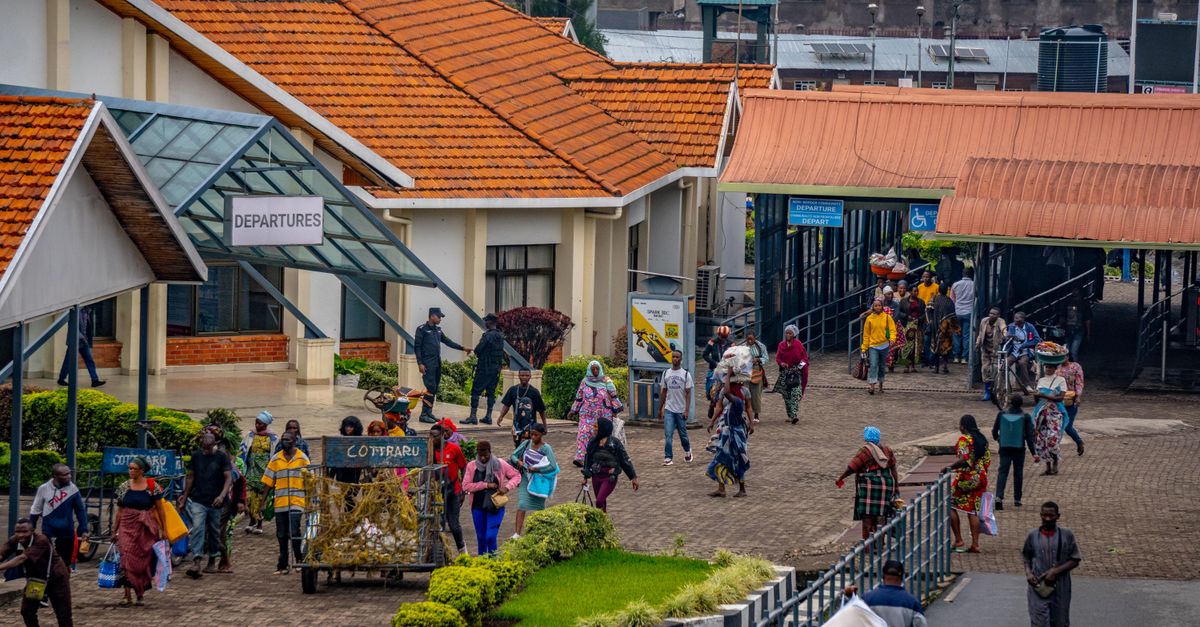
The Democratic Republic of Congo reports over 26 million malaria cases, highlighting a severe public health crisis.
The Democratic Republic of Congo (DRC) is grappling with an alarming surge in malaria infections, recording more than 26 million cases this year, according to recent reports. This staggering figure underscores the severe public health challenges facing the country, which has one of the highest malaria burdens in the world.
Impact on Public Health Systems
Malaria, a mosquito-borne disease, continues to be a major health issue in the DRC, affecting millions annually. The country's healthcare infrastructure, already under strain from other endemic diseases and political instability, is struggling to cope with the influx of malaria cases. Health facilities are overwhelmed, with shortages of medical supplies and personnel exacerbating the situation.
Efforts to control the disease are hampered by logistical challenges, including difficult terrain and limited access to remote areas. These challenges make it difficult to distribute essential malaria prevention tools such as insecticide-treated nets and antimalarial medications.
Government and International Responses
The Congolese government, alongside international health organizations, is intensifying efforts to combat the spread of malaria. Initiatives include mass distribution campaigns of bed nets and increased funding for medical supplies. However, these efforts require substantial resources and coordination to be effective, particularly in reaching the country's most vulnerable populations.
International partners, such as the World Health Organization and the Global Fund, are providing support through funding and technical assistance. These collaborations aim to bolster the DRC’s capacity to manage and reduce malaria infections through improved healthcare delivery and community education programs.
Long-term Solutions and Challenges
Addressing the malaria crisis in the DRC requires a multifaceted approach. Long-term strategies must focus on strengthening the healthcare system, enhancing disease surveillance, and promoting research into malaria prevention and treatment. Moreover, tackling the underlying social and economic factors that contribute to the spread of malaria, such as poverty and lack of education, is crucial for sustainable progress.
The scale of the malaria epidemic in the DRC highlights the need for global solidarity and investment in public health infrastructure. As the country battles this health crisis, the international community's support remains critical in mitigating the impact and preventing future outbreaks.