
Disparities in Health: Urban vs Rural India
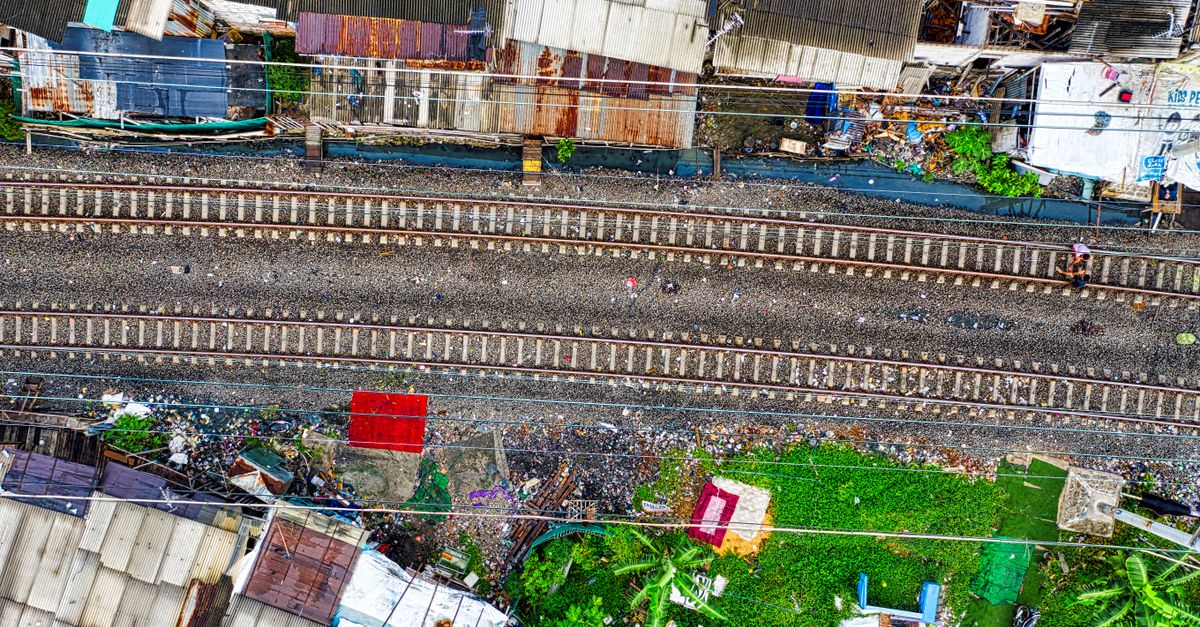
India's healthcare system faces a stark urban-rural divide, affecting health outcomes.
India, a nation of contrasts, is grappling with a pronounced disparity in health outcomes between its urban and rural populations. This divide is not merely a reflection of geography, but a complex interplay of economic, social, and infrastructural factors that significantly influence the health and well-being of its citizens. As India continues its rapid economic growth, the challenge of bridging this healthcare gap becomes more pressing than ever.
Access to Healthcare Facilities
The most glaring difference between urban and rural health outcomes in India is access to healthcare facilities. Urban areas are typically well-equipped with hospitals, clinics, and specialized healthcare providers. In contrast, rural areas often suffer from a scarcity of medical infrastructure. According to the National Health Profile 2022, urban areas have approximately 80% of the country's hospital beds, leaving rural areas with a mere 20%. This imbalance leads to longer travel distances for rural residents to access even basic medical care, often resulting in delayed treatment and poorer health outcomes.
Quality of Healthcare Services
Even when healthcare facilities are available in rural regions, the quality of services provided often lags behind urban standards. A 2021 study by the Indian Council of Medical Research highlighted that rural healthcare centers frequently lack adequately trained medical staff and essential medical supplies. This deficit compromises the quality of care and contributes to higher morbidity and mortality rates in rural populations. In urban centers, however, the availability of well-trained professionals and advanced medical technology ensures higher standards of care.
Socioeconomic Factors
Socioeconomic disparities further exacerbate health outcome differences between urban and rural areas. Rural poverty rates are significantly higher, limiting access to nutritious food, clean water, and proper sanitation, all of which are crucial determinants of health. The World Bank reports that approximately 25% of India’s rural population lives below the poverty line, compared to about 13% in urban areas. This economic strain directly impacts health, as impoverished families may prioritize immediate survival needs over healthcare expenses.
Health Education and Awareness
Another critical factor is the level of health education and awareness. Urban residents generally have better access to educational resources and information about health and wellness. This awareness helps in the early detection and prevention of diseases. On the other hand, rural populations often lack access to such information, leading to a higher prevalence of preventable diseases. Health literacy campaigns are less frequent and less effective in rural areas due to logistical challenges and lower literacy rates.
Government Initiatives and Challenges
The Indian government has launched several initiatives aimed at improving rural healthcare, such as the Ayushman Bharat scheme, which promises to provide health coverage to the economically disadvantaged. However, implementation hurdles remain significant. Corruption, bureaucratic inefficiencies, and inadequate infrastructure often stall progress. According to a 2023 report by the Ministry of Health and Family Welfare, only 60% of the planned rural health and wellness centers were operational, highlighting the gap between policy and practice.
The path to bridging the urban-rural health gap in India requires a multifaceted approach, involving both government intervention and community participation. Strengthening rural health infrastructure, improving the quality of care, and enhancing health literacy are essential steps. Furthermore, fostering public-private partnerships could play a crucial role in enhancing healthcare delivery in rural areas.
As India strides toward becoming a global economic powerhouse, ensuring equitable health outcomes for all its citizens is imperative. Only by addressing these disparities can the nation truly progress. "A healthy nation is a wealthy nation," as the adage goes, and it holds particularly true for a country as diverse and dynamic as India.