
Digital Twins Revolutionize Factory Operations by 2026
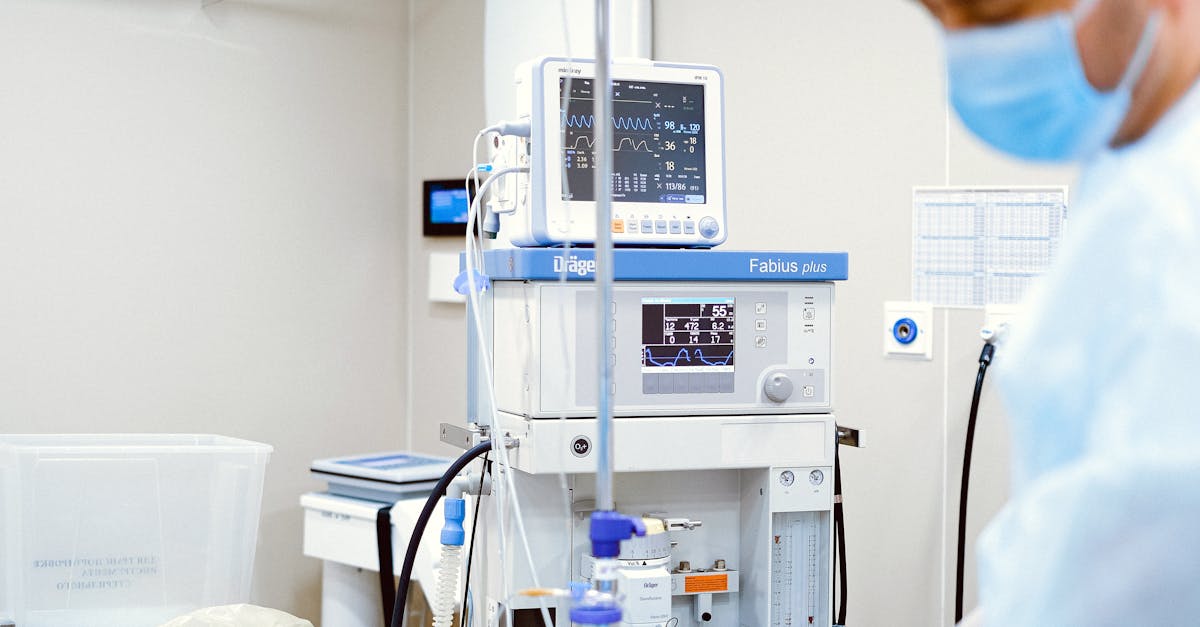
Digital twins are set to transform manufacturing, offering real-time insights and efficiency by 2026.
As factories evolve, digital twins are emerging as a transformative force in manufacturing operations. By 2026, these virtual replicas are expected to revolutionize how factories operate, providing unprecedented levels of insight and efficiency.
Transforming Manufacturing with Virtual Simulations
Digital twins offer a comprehensive virtual model of a physical factory, enabling manufacturers to simulate processes, monitor real-time data, and predict potential issues before they occur. This technology allows for a detailed examination of every aspect of production without interrupting actual operations, saving both time and resources.
By employing digital twins, companies can optimize their processes, reduce downtime, and enhance productivity. The ability to simulate different scenarios helps in strategic planning and decision-making, ensuring that production systems are both resilient and adaptable. This is particularly beneficial in industries where precision and efficiency are critical.
Real-Time Data for Enhanced Decision Making
One of the critical advantages of digital twins is their capacity to provide real-time data. This feature enables factory managers to make informed decisions quickly, addressing issues as they arise. The continuous flow of data helps in maintaining optimal operational conditions and improving overall equipment effectiveness.
Additionally, the integration of artificial intelligence with digital twins enhances predictive maintenance capabilities. By analyzing patterns and trends, AI can foresee potential equipment failures, allowing for proactive maintenance schedules that minimize downtime and extend machinery life.
Impact on Workforce and Training
The implementation of digital twins is not just about technology; it also impacts the workforce. Employees can receive training through virtual simulations, which can replicate various scenarios and outcomes. This method of training is not only cost-effective but also prepares workers for real-world challenges without the risk of disrupting actual production.
Furthermore, as factories become more digitally integrated, the demand for skilled workers who can manage and interpret digital twin data will rise. This shift necessitates a new focus on digital literacy and technical expertise within the manufacturing workforce.
Future Prospects and Industry Adoption
With the increasing adoption of digital twins, industries are poised to experience significant advancements in operational efficiency and innovation. As more factories integrate this technology, the potential for collaborative networks of digital twins across supply chains grows, leading to even greater efficiencies.
While the adoption of digital twins presents challenges, such as initial setup costs and the need for skilled personnel, the long-term benefits are expected to outweigh these hurdles. By 2026, digital twins could become a standard in manufacturing, driving a new era of industrial innovation.