
Digital Health's Impact on Patients in Small Indian Cities
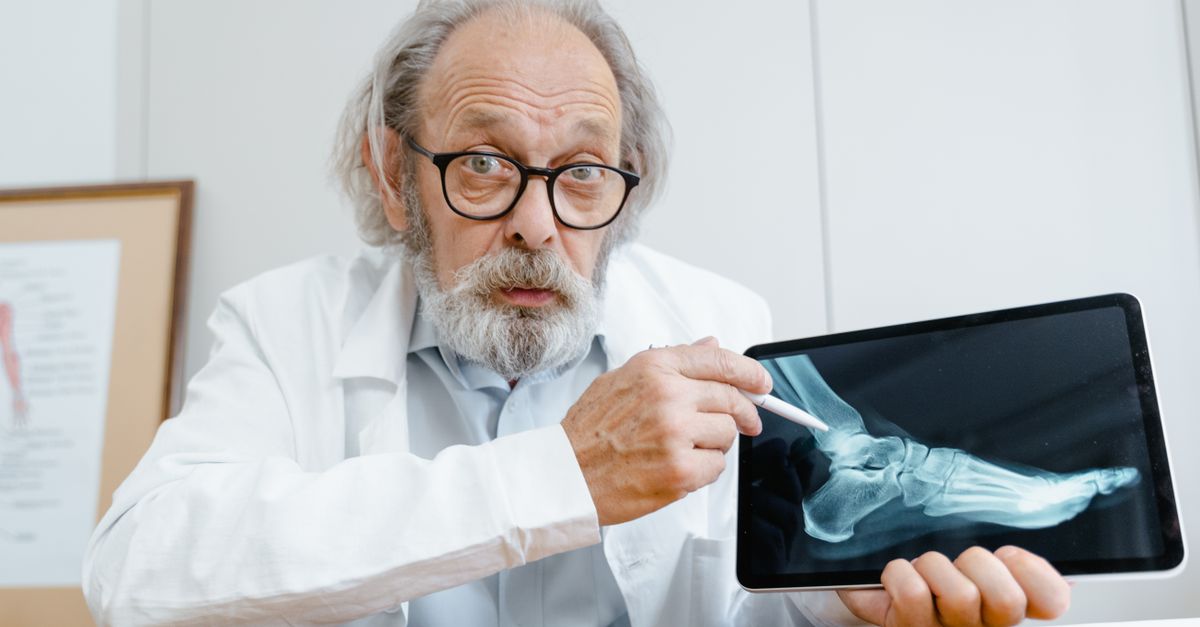
Digital health is transforming patient care in small Indian cities, bridging gaps in accessibility and quality.
As digital health technologies advance, their reach extends beyond major urban centers, embracing smaller Indian cities where healthcare infrastructure often lags. For patients residing in these areas, digital health offers a transformative promise, reshaping how they access and experience medical care.
Bridging the Accessibility Gap
In small Indian cities, where healthcare facilities can be sparse and specialist doctors are often unavailable, digital health tools provide a critical bridge. Telemedicine platforms, for instance, allow patients to consult with doctors from leading hospitals in metropolitan areas without the need for travel. This not only saves time and money but also ensures that patients receive timely medical advice.
According to a 2022 report by the Indian Ministry of Health, telemedicine consultations increased by 200% in non-metro areas over the past two years. This surge illustrates the growing reliance on digital health to fill gaps in local healthcare services.
Enhancing Patient Engagement and Education
Digital health apps are empowering patients with access to their medical records, treatment plans, and health education resources. For instance, apps like Practo and 1mg provide platforms where users can not only consult doctors but also access a plethora of health information, ranging from medication details to lifestyle advice. This accessibility encourages patients to take an active role in managing their health, leading to better adherence to treatment plans and improved health outcomes.
In smaller cities, where health literacy can be a challenge, such resources are invaluable. By providing information in local languages and simplifying complex medical jargon, digital health tools demystify healthcare for patients who might otherwise feel overwhelmed.
Overcoming Infrastructure Challenges
One of the significant hurdles in small cities is the lack of advanced medical infrastructure. Digital health solutions, however, are beginning to mitigate this issue. Portable diagnostic devices and home-monitoring gadgets enable patients to perform basic health checks from the comfort of their homes. These devices can measure vital signs such as blood sugar levels and blood pressure, forwarding data directly to healthcare providers for analysis.
For example, startups like HealthifyMe and GOQii are leveraging wearable technology to offer personalized health monitoring and coaching, which is particularly beneficial for managing chronic conditions like diabetes and hypertension. This proactive approach helps in early detection and timely intervention, reducing the burden on local healthcare facilities.
Challenges in Digital Health Adoption
Despite its many benefits, the adoption of digital health in small Indian cities faces several challenges. Internet connectivity remains inconsistent in many areas, limiting the effectiveness of telemedicine and other online services. Additionally, there is a significant digital divide, with older populations often less familiar with technology.
To address these issues, the government and private sector are investing in digital literacy programs and infrastructure improvements. Initiatives like the Digital India campaign aim to enhance internet access across the country, while NGOs and health tech companies are conducting workshops to familiarize citizens with digital health tools.
The Road Ahead
As digital health continues to evolve, its potential to transform healthcare in small Indian cities is immense. The integration of artificial intelligence and machine learning into health platforms promises even more personalized and efficient care. Moreover, the growing affordability of smartphones and data plans is likely to increase the reach of digital health solutions.
"Digital health holds the key to equitable healthcare access in regions where traditional infrastructure is lacking," notes Dr. Anjali Reddy, a leading public health expert. "By continuing to innovate and invest in these technologies, we can significantly improve health outcomes for millions of Indians living in smaller cities."