
Digital Divide Hinders India's Public Health Equity
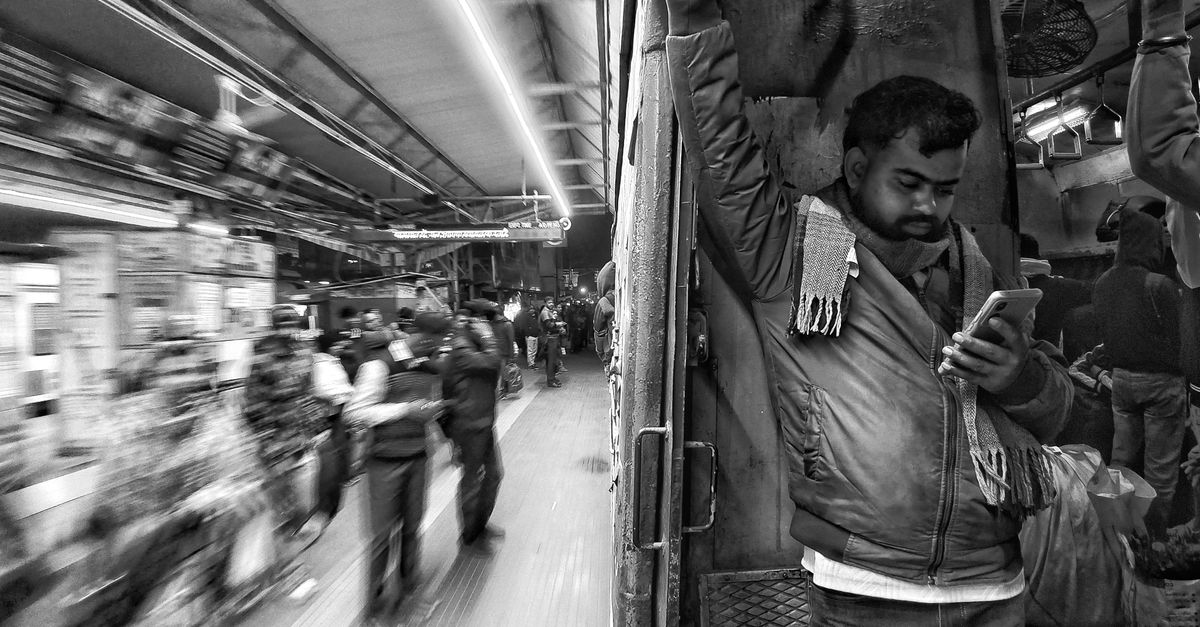
India's public healthcare faces systemic inequity and digital barriers, impacting access and quality of care.
India's public healthcare system is grappling with systemic inequities exacerbated by digital barriers, according to a recent investigation by Frontline Magazine. Despite advancements in healthcare technology, significant gaps remain in access and quality of care, particularly affecting marginalized communities.
Unequal Access to Healthcare Services
The report highlights stark disparities in healthcare access across urban and rural regions. Urban areas benefit from better infrastructure and a concentration of healthcare facilities, while rural regions suffer from a lack of resources and personnel. This divide is further widened by digital barriers, as many rural healthcare centers lack the necessary digital infrastructure to implement modern healthcare solutions.
Healthcare professionals in rural areas often face challenges such as inadequate internet connectivity and outdated equipment, hindering their ability to provide timely and effective care. These limitations contribute to a significant urban-rural health divide, leaving rural populations at a disadvantage.
Digital Barriers in Healthcare Delivery
While digital health solutions have the potential to revolutionize patient care, their implementation in India's public healthcare system is marred by several hurdles. The report notes that digital literacy is a significant barrier, with many healthcare workers and patients lacking the necessary skills to utilize digital tools effectively.
Moreover, the uneven distribution of digital resources means that even when technology is available, it is not always accessible to those who need it most. This is particularly true in regions where power supply and internet connectivity are unreliable, making it difficult to maintain a consistent digital healthcare infrastructure.
Government Initiatives and Challenges
The Indian government has launched several initiatives to bridge the digital gap in healthcare, such as the National Digital Health Mission. However, these efforts face challenges in implementation, especially in remote and underserved areas. The success of such initiatives largely depends on improving digital infrastructure and ensuring equitable resource distribution.
Experts suggest that for these initiatives to be effective, there must be a concerted effort to enhance digital literacy among healthcare workers and patients. Additionally, building robust digital infrastructure in rural areas is crucial to ensuring that technological advancements benefit all segments of the population.
Looking Ahead
Addressing the systemic inequities and digital barriers in India's public healthcare system requires a multifaceted approach. Stakeholders must work collaboratively to develop strategies that not only enhance digital infrastructure but also ensure equitable access to healthcare services. By focusing on these areas, India can move towards a more inclusive and efficient healthcare system that serves all citizens, regardless of their geographical location or socio-economic status.