
The Diagnostic Revolution Transforming India's Healthcare System
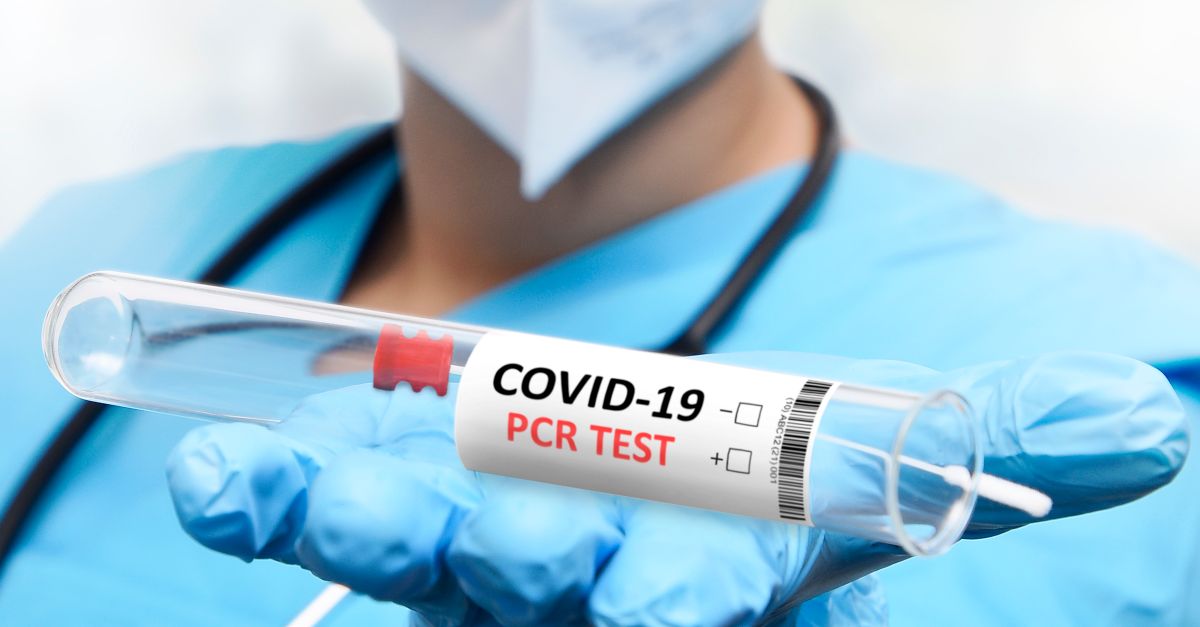
India's healthcare landscape is being reshaped by advanced diagnostics, promising early detection and personalized treatment.
In a country as vast and diverse as India, the potential for transformative healthcare advancements is immense. One of the most significant developments poised to reshape the sector is the diagnostic revolution, offering new hope for early detection and personalized treatment. As India's population continues to grow, the demand for innovative healthcare solutions becomes increasingly urgent. Advanced diagnostic technologies are stepping in to meet this demand, changing how diseases are identified and managed.
Why Enhanced Diagnostics Matter
Traditionally, diagnostics in India have been hampered by limited access and outdated technologies, particularly in rural areas where healthcare infrastructure is sparse. The advent of advanced diagnostics could alter this dynamic entirely. By deploying cutting-edge technologies like AI-driven imaging and molecular diagnostics, healthcare providers can achieve more accurate diagnoses, often at an earlier stage. This not only improves patient outcomes but also reduces the overall burden on healthcare systems by preventing disease progression.
Moreover, enhanced diagnostics pave the way for personalized medicine—a tailored approach to treatment that considers an individual's genetic makeup, lifestyle, and environment. Personalized medicine promises to enhance the efficacy of treatments, reducing trial and error in prescribing medications and minimizing adverse effects.
The Role of Technology and AI
Artificial Intelligence (AI) is at the forefront of this diagnostic revolution. Companies and research institutions across India are harnessing AI to develop tools that can interpret complex medical data with speed and precision. For instance, AI-powered algorithms are being used to analyze radiology images, identifying anomalies that might elude the human eye.
Startups like Niramai and Qure.ai are leading the charge with innovative solutions that make healthcare more accessible. Niramai's thermal imaging technology offers a non-invasive, radiation-free method of detecting breast cancer, while Qure.ai's AI tools assist radiologists in interpreting scans more quickly and accurately. These technological advancements not only promise to enhance diagnostic accuracy but also democratize access to quality healthcare, bridging the urban-rural divide.
Government Initiatives and Industry Response
The Indian government has recognized the potential of advanced diagnostics in improving public health outcomes. Initiatives like the Ayushman Bharat scheme aim to provide affordable healthcare to millions, and integrating innovative diagnostic solutions is a key component of this strategy. Government support is vital in scaling these technologies across the nation, ensuring that even the most remote areas benefit from the latest advancements.
In response, the private sector has been quick to collaborate with public health efforts, investing in research and development to bring new diagnostic tools to market. Pharmaceutical companies, tech giants, and startups are forming partnerships to accelerate innovation, focusing on affordability and scalability to meet the needs of India's diverse population.
Challenges and the Road Ahead
Despite the promising outlook, several challenges remain. The high cost of implementing advanced diagnostic technologies poses a significant barrier, particularly in resource-poor settings. Training healthcare professionals to effectively use these new tools is another hurdle that must be overcome to ensure widespread adoption.
Nevertheless, the trajectory of India's healthcare system is unmistakably forward. As these technologies become more affordable and integrated into everyday healthcare practices, the potential for improved health outcomes on a national scale is enormous. The diagnostic revolution is not just a technological shift but a paradigm change, promising a healthier future for millions.
The ongoing collaboration between the government, private sector, and technology innovators will be crucial in navigating these challenges. As India continues to embrace these advancements, the healthcare landscape is set for a transformative change that could serve as a model for other nations grappling with similar challenges.