
Designing Hospices for Dignity: India's Patient-Centered Approach
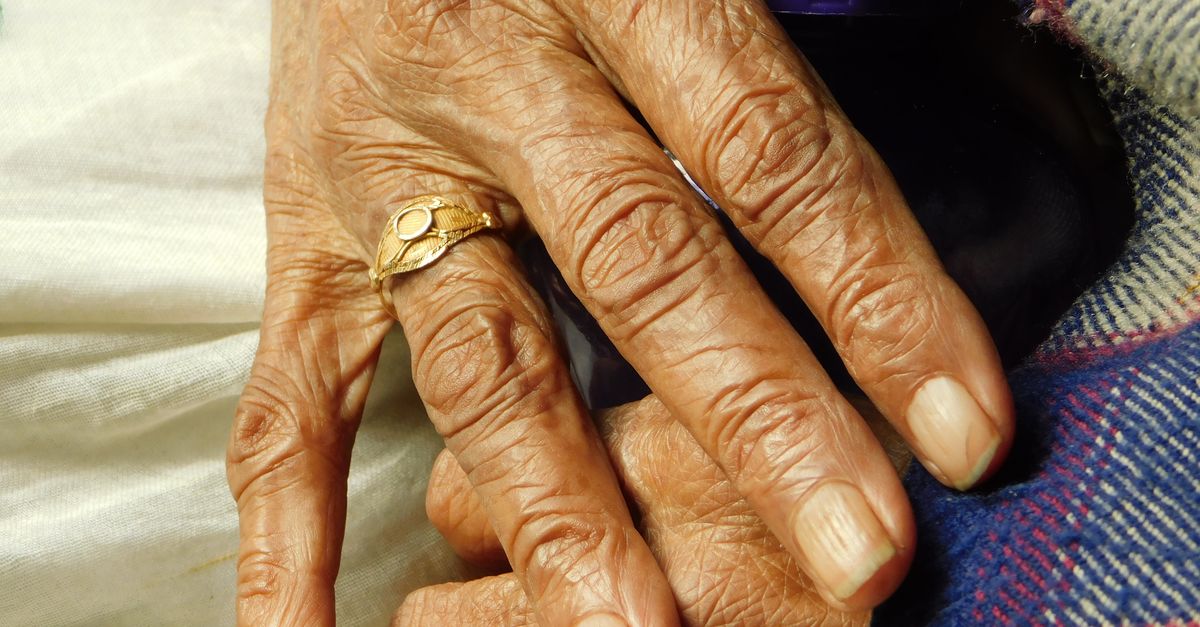
India's new hospice models prioritize patient needs and dignity, reshaping end-of-life care.
India is witnessing a significant shift in the design and function of hospices, with a focus on creating patient-centered environments that prioritize comfort and dignity. This approach aims to transform end-of-life care by considering the holistic needs of patients and their families.
Creating Spaces of Comfort and Compassion
Traditional hospice care in India often fell short of addressing the emotional and psychological needs of patients. However, new patient-centered designs are emerging, emphasizing the importance of a supportive environment. These hospices integrate elements such as natural lighting, gardens, and spaces for family gatherings, which contribute to a soothing and home-like atmosphere.
The architecture and layout of these facilities are carefully planned to minimize stress and promote a sense of peace. By focusing on the overall well-being of patients, hospices are redefining the experience of end-of-life care, ensuring that individuals feel respected and valued.
Innovative Care Models
Beyond the physical design, these hospices are adopting innovative care models that address the diverse needs of patients. Multidisciplinary teams, including doctors, nurses, counselors, and social workers, collaborate to provide comprehensive care. This team-based approach ensures that all aspects of a patient's physical, emotional, and spiritual health are considered.
Additionally, hospices are increasingly offering personalized care plans that cater to the unique preferences and cultural backgrounds of each patient. This customization allows for a more meaningful and respectful experience, aligning with the values and beliefs of the individuals and their families.
Challenges and Future Directions
Despite the progress in hospice design and care, challenges remain. Limited resources and funding can hinder the implementation of these patient-centered models. Moreover, there is a need for greater public awareness and acceptance of hospice care as a viable option for end-of-life treatment.
To address these issues, stakeholders are advocating for increased investment in hospice infrastructure and training for healthcare professionals. By fostering a broader understanding of the benefits of patient-centered care, India can continue to enhance its hospice services, ensuring that more individuals have access to dignified and compassionate end-of-life care.