
Dental software list for practice management solutions
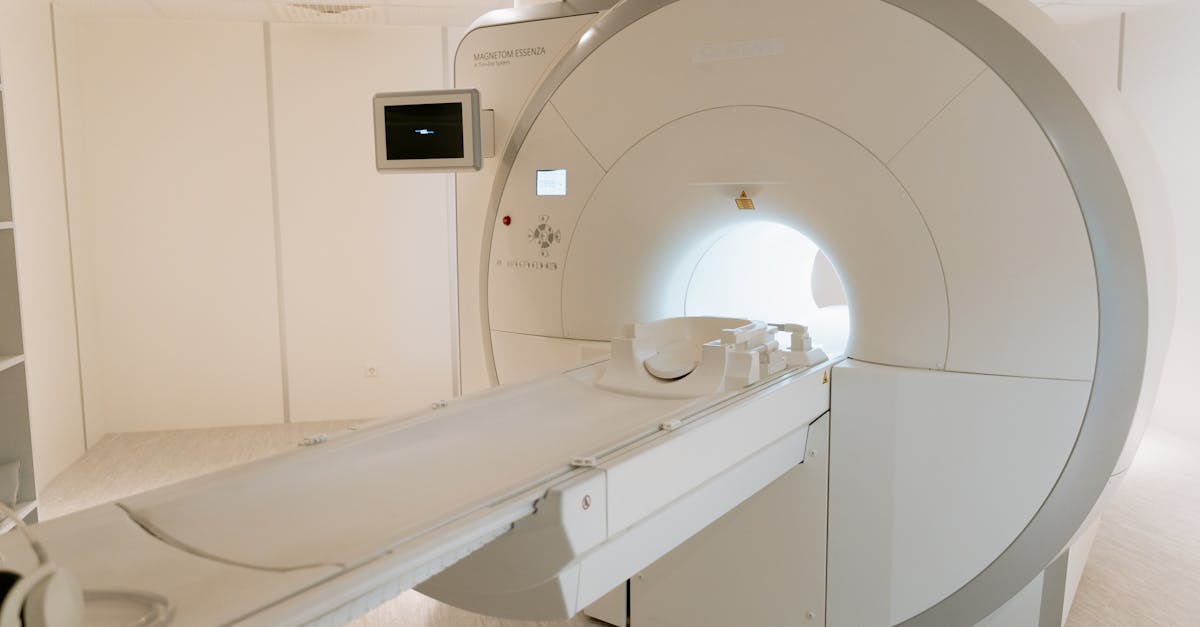
Explore essential dental software for effective practice management.
The world of dentistry is evolving rapidly, and with it comes the need for efficient practice management solutions. Dental software has become an indispensable tool for dental professionals, helping streamline operations, enhance patient care, and facilitate financial management. In this article, we will explore essential dental software options for practice management and the key features to look for when selecting the right solution.
Essential Dental Software for Effective Practice Management
In recent years, dental practice management software has transitioned from simple record-keeping systems to comprehensive solutions that address various operational needs. Notable software options include Dentrix, EagleSoft, and OpenDental. Each of these platforms offers unique features designed to assist dental practices in managing appointments, patient records, billing, and reporting.
Dentrix is particularly popular among larger practices due to its robust features that include charting, treatment planning, and electronic claims processing. EagleSoft, on the other hand, is known for its user-friendly interface, making it an excellent choice for smaller practices or those new to dental software. OpenDental stands out for its open-source nature, allowing customizations to fit specific practice requirements.
Additionally, cloud-based solutions like Curve Dental and Practice-Web are gaining traction. These platforms offer flexibility and accessibility, enabling practitioners to manage their practice from any location. They often come with built-in features for patient engagement, ensuring that practices can maintain communication with patients effectively.
Top Features to Look for in Dental Practice Software Solutions
When evaluating dental software for practice management, there are several critical features to consider. A robust appointment scheduling system is essential, allowing seamless management of patient visits and minimizing no-shows through automated reminders. These features not only enhance operational efficiency but also improve patient satisfaction.
Another vital component is patient records management. A good dental software solution should offer a comprehensive electronic health record (EHR) system that is easy to use and complies with relevant regulations. This allows practitioners to access patient histories swiftly and ensures that all information is centralized, reducing the risk of errors. Integration with radiology software is also a valuable feature, enabling easy sharing of images and treatment plans.
Financial management features, such as billing and insurance claim processing, are equally crucial. The software should facilitate tracking payments, managing patient accounts, and generating financial reports. Reporting capabilities can provide insights into practice performance, helping practitioners make informed decisions about the future direction of their practice.
Selecting the right dental software for practice management is a significant decision that can impact the efficiency and success of a dental practice. By understanding the essential software options available and what features to prioritize, dental professionals can make informed choices that align with their operational needs. As the landscape of healthcare technology continues to evolve, staying updated on dental software innovations will be key to providing excellent patient care and ensuring a thriving practice.