
Delhi's H1N1 Cases Surge Sixfold, Vulnerable Populations at Risk
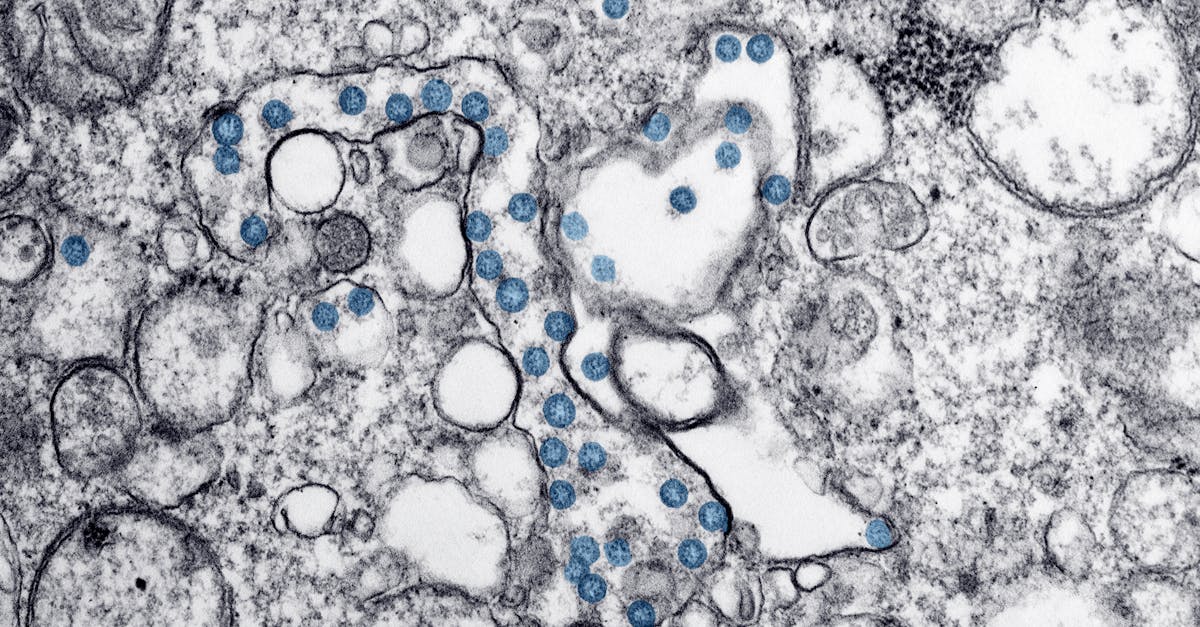
Delhi reports a dramatic increase in H1N1 cases, with children and the elderly most vulnerable.
Delhi has witnessed a significant increase in H1N1 cases, with reports indicating a more than sixfold rise in infections. Health professionals are raising alarms, especially for vulnerable groups such as children and the elderly, who are at greater risk of severe complications from the virus.
Sharp Increase in Cases
The capital's health authorities have documented a worrying escalation in H1N1 cases, commonly known as swine flu, over recent weeks. This surge has prompted calls for heightened vigilance and precautionary measures among the public. The increase is particularly concerning as it follows a period of relative stability in swine flu cases.
Vulnerable Populations at Risk
Medical experts emphasize that children and the elderly are particularly susceptible to the H1N1 virus. These groups often have weaker immune systems, making them more vulnerable to the severe effects of the virus. Health officials are urging parents and caregivers to ensure that children and older adults follow recommended health guidelines, including vaccination where available.
Precautionary Measures Recommended
Doctors recommend several precautionary steps to reduce the risk of infection. These include avoiding crowded places, practicing good hygiene such as regular handwashing, and wearing masks in public spaces. Health experts also advise individuals to seek medical attention if they exhibit symptoms such as fever, cough, and sore throat, which are indicative of the flu.
Government and Health Authorities Respond
The local government and health authorities are actively monitoring the situation and have increased efforts to test for flu cases. Haryana, a neighboring state, has ordered 100% flu testing to curb the spread of the virus. While there is no indication of a new strain of H1N1, health officials stress the importance of early detection and treatment to prevent complications.
Despite the spike in cases, former World Health Organization Chief Scientist reassures the public that there is no cause for panic, noting that the current virus strain is not new. However, continued vigilance and adherence to health guidelines remain crucial to managing the outbreak effectively.