
Decoding India's Healthcare Economics: Who Foots the Bill?
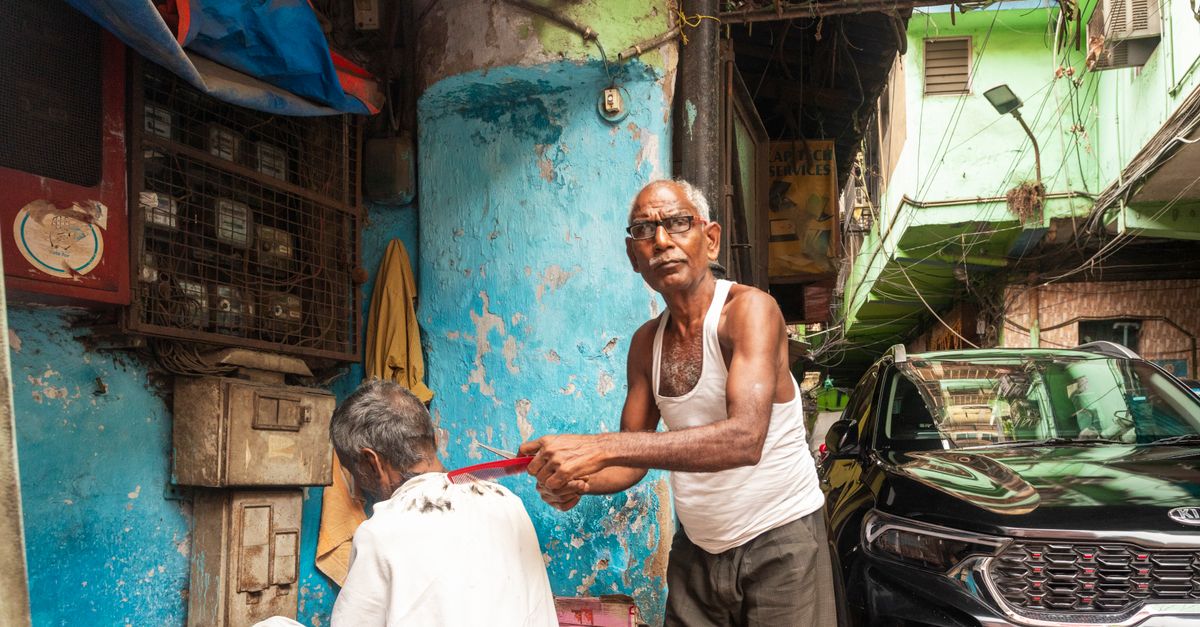
India's healthcare funding is a complex mix of government spending, out-of-pocket expenses, and private insurance. Understanding who pays is crucial for policy reform.
In India, where healthcare systems are as diverse as its population, the question of who funds healthcare services remains a complex puzzle. The economic landscape of Indian healthcare is shaped by a combination of government spending, private insurance, and out-of-pocket expenses, each influencing access and quality in different ways.
The Role of Government Spending
Government expenditure on healthcare in India is relatively low compared to other countries, constituting only about 1.28% of the GDP as per the 2023 Economic Survey. This figure lags significantly behind the global average of 6%, highlighting a critical area for potential enhancement. The Indian government seeks to address this through initiatives like Ayushman Bharat, a national health protection scheme launched in 2018. The program aims to cover over 500 million people, providing a safety net for the economically vulnerable. However, challenges in implementation and limited reach in rural regions often dilute its intended impact.
Out-of-Pocket Expenses: A Heavy Burden
Out-of-pocket (OOP) expenses form a substantial part of healthcare funding in India, accounting for over 60% of total health expenditure. This reliance on direct payments is one of the highest in the world and places a significant financial burden on families. Often, these expenses lead to catastrophic health expenditures, pushing millions into poverty each year. The lack of comprehensive insurance coverage exacerbates this issue, leaving many to choose between financial stability and necessary medical treatment.
Private Insurance: A Growing Sector
The private health insurance market in India is expanding, yet it remains accessible primarily to the middle and upper classes. With the Insurance Regulatory and Development Authority of India (IRDAI) reporting a rise in the health insurance penetration rate to 35% in 2022, there is positive momentum, but this still leaves a significant portion of the population uninsured. Private insurers often focus on urban areas, where there is a higher concentration of wealth, leaving rural populations underserved.
Public-Private Partnerships: A Collaborative Approach
Public-private partnerships (PPPs) have emerged as a viable strategy to bridge gaps in healthcare provision. These collaborations aim to leverage the strengths of both sectors to enhance service delivery, particularly in underserved areas. For instance, hospitals in states like Karnataka and Tamil Nadu have partnered with private entities to improve infrastructure and access to advanced medical technologies. While PPPs offer a promising solution, they require careful regulation to ensure equitable distribution and prevent exploitation.
Challenges and Opportunities Ahead
The multifaceted approach to funding healthcare in India presents both challenges and opportunities. On one hand, the disparate sources of funding create inequities in access and quality of care. On the other, they provide a platform for innovative solutions and reforms. Increasing government spending on healthcare is essential, but so is developing a more inclusive insurance system that reaches the rural and economically disadvantaged populations. Furthermore, enhancing transparency and accountability in both public and private sectors will be crucial in building trust and ensuring effective use of resources.
As India continues to evolve economically and socially, the healthcare financing landscape must adapt accordingly. The balance between government intervention, private sector participation, and community-based financing will determine the success of healthcare reform efforts. Only through cohesive and comprehensive strategies can India hope to provide equitable and effective healthcare to all its citizens.