
Debunking HPV Vaccine Myths: Essential for Young Women’s Health
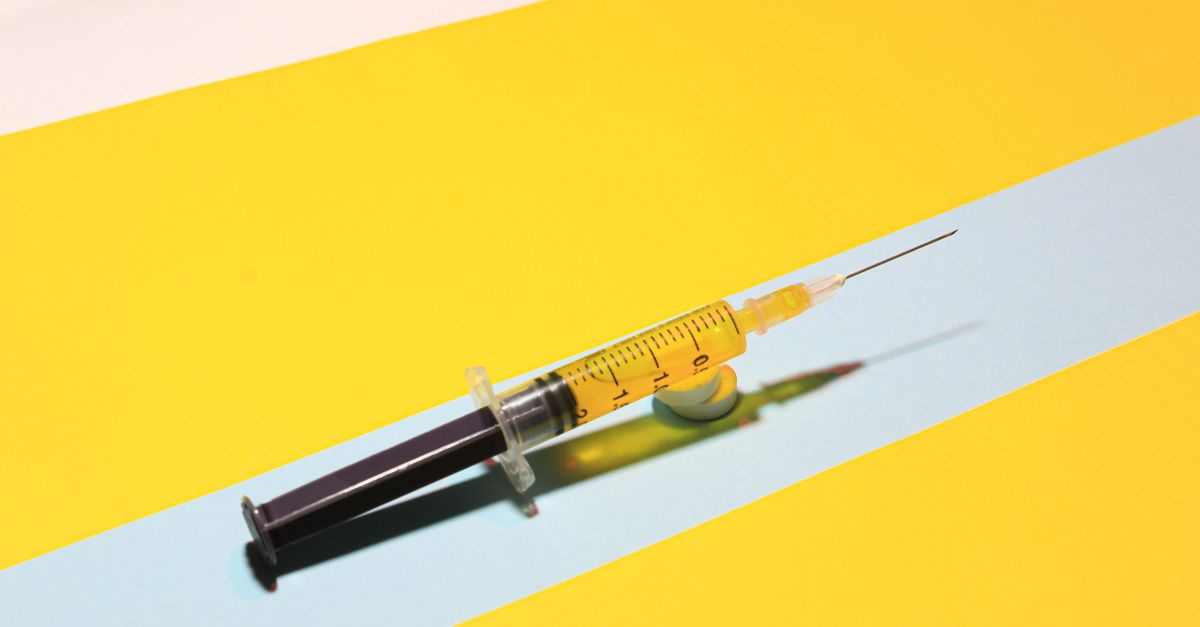
Addressing myths about the HPV vaccine is crucial for young women's health and cancer prevention.
In recent years, the human papillomavirus (HPV) vaccine has become a focal point in public health discussions, particularly concerning young women's health. Despite its proven effectiveness in preventing cervical cancer, misconceptions continue to hinder its acceptance and widespread use.
Understanding HPV and the Vaccine
HPV is a common virus with several strains, some of which are linked to various cancers, including cervical cancer. The vaccine is designed to protect against the most dangerous strains, significantly reducing the risk of developing these cancers. Health experts strongly advocate for the vaccination of young women, ideally before they become sexually active, to ensure maximum effectiveness.
Addressing Common Misconceptions
One prevalent myth is that the HPV vaccine promotes promiscuity among young women. However, studies have found no correlation between receiving the vaccine and increased sexual activity. Another misconception is that the vaccine is unnecessary if an individual is not sexually active. In reality, vaccination before exposure to the virus is crucial for effective prevention.
There is also a belief that the vaccine has severe side effects, deterring some from vaccination. While, like any medical intervention, it may have minor side effects such as soreness at the injection site or mild fever, severe reactions are extremely rare. The benefits of preventing cancer far outweigh these minimal risks.
Global Efforts in HPV Vaccination
Countries worldwide are intensifying efforts to increase HPV vaccination rates. For instance, a recent campaign in Zunheboto, India, aims to boost awareness and acceptance of the vaccine among young women. Similarly, a vaccination drive in Navi Mumbai was organized during Raksha Bandhan, highlighting the community's commitment to protecting women's health.
New research also suggests that the HPV vaccine may offer broader health benefits beyond preventing cervical cancer. This has further fueled campaigns encouraging vaccination as a preventive measure for various HPV-related diseases.
Expert Recommendations
Health professionals emphasize the importance of dispelling myths and educating the public about the vaccine's safety and efficacy. They advocate for integrating HPV vaccination into routine immunization programs to ensure widespread coverage and protection.
The World Health Organization and other health agencies continue to urge governments and health institutions to provide accurate information and accessible vaccination services. By addressing misconceptions and promoting the vaccine's benefits, these efforts aim to significantly reduce the incidence of HPV-related cancers globally.