
Day-Care vs. Short-Stay Surgery in Laparoscopic Hernia Repair
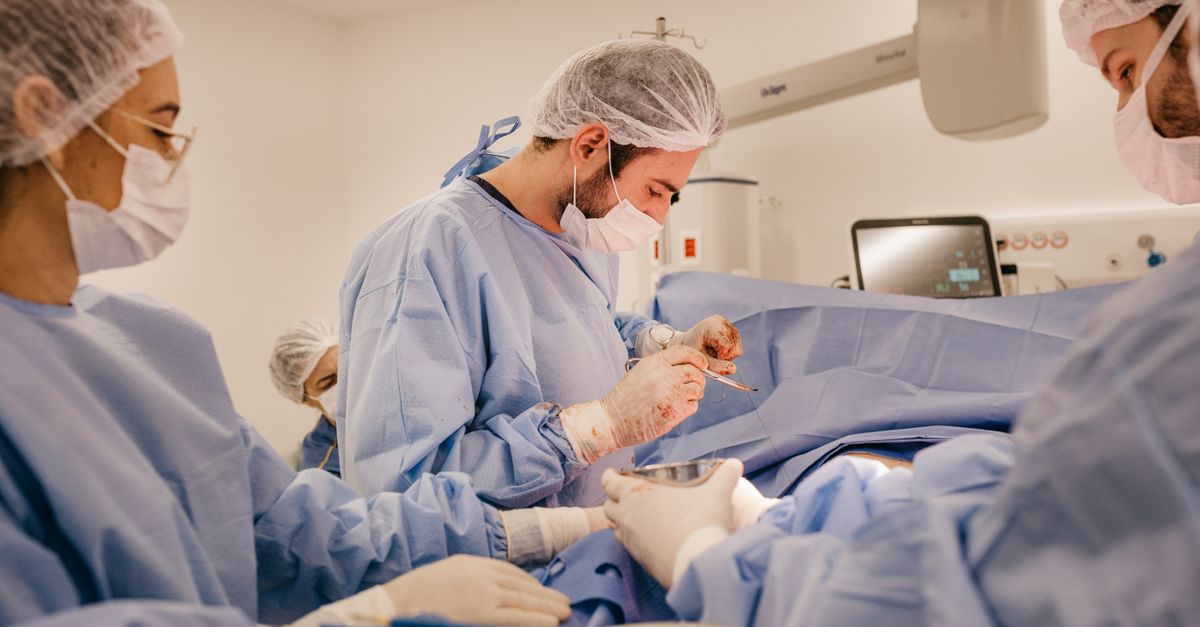
New research compares safety and patient satisfaction between day-care and short-stay surgeries for TEP inguinal hernia repairs.
A recent study published in Cureus evaluates the safety and patient satisfaction levels associated with day-care versus short-stay surgical procedures for individuals undergoing laparoscopic totally extraperitoneal (TEP) inguinal hernia repair. The study provides insights into which surgical setting might offer better outcomes for patients and healthcare providers.
Comparative Analysis of Surgical Approaches
The research focused on comparing the day-care surgery model, where patients are discharged on the same day, with the short-stay surgery model, which involves an overnight hospital stay. The primary objective was to assess the safety and acceptability of these two approaches in the context of TEP inguinal hernia repair, a minimally invasive procedure commonly used to correct hernias.
Data collected from multiple healthcare facilities revealed that both surgical settings are viable options, with no significant differences in terms of safety outcomes. The study measured variables such as post-operative complications, readmission rates, and patient-reported outcomes to draw its conclusions.
Patient Satisfaction and Recovery
Patient satisfaction emerged as a crucial factor in determining the acceptability of day-care versus short-stay surgery. The study found that patients in the day-care group reported higher satisfaction levels, primarily due to the convenience of recovering at home. However, the short-stay group showed a slight advantage in terms of immediate post-operative care, as patients had more time to receive medical attention before discharge.
The research also highlighted that both groups experienced similar recovery times, indicating that the choice between day-care and short-stay surgery does not significantly impact the overall recovery process. This finding supports the notion that day-care surgery can be a feasible alternative for patients who prefer home recovery.
Implications for Healthcare Providers
For healthcare providers, the study underscores the importance of considering patient preferences and the logistical aspects of surgical care. The ability to offer both day-care and short-stay options allows providers to tailor surgical plans to individual patient needs, potentially improving patient outcomes and satisfaction.
Additionally, the study suggests that adopting a day-care surgery model could lead to more efficient use of hospital resources, reducing the burden on inpatient facilities and allowing for better allocation of beds and staff.
Overall, the findings from this study provide valuable insights for both patients and healthcare providers in making informed decisions about surgical care for TEP inguinal hernia repair. As healthcare systems continue to evolve, such research plays a critical role in optimizing surgical procedures and enhancing patient experiences.