
Daily Agarbatti Use Linked to Increased Diabetes Risk: Study
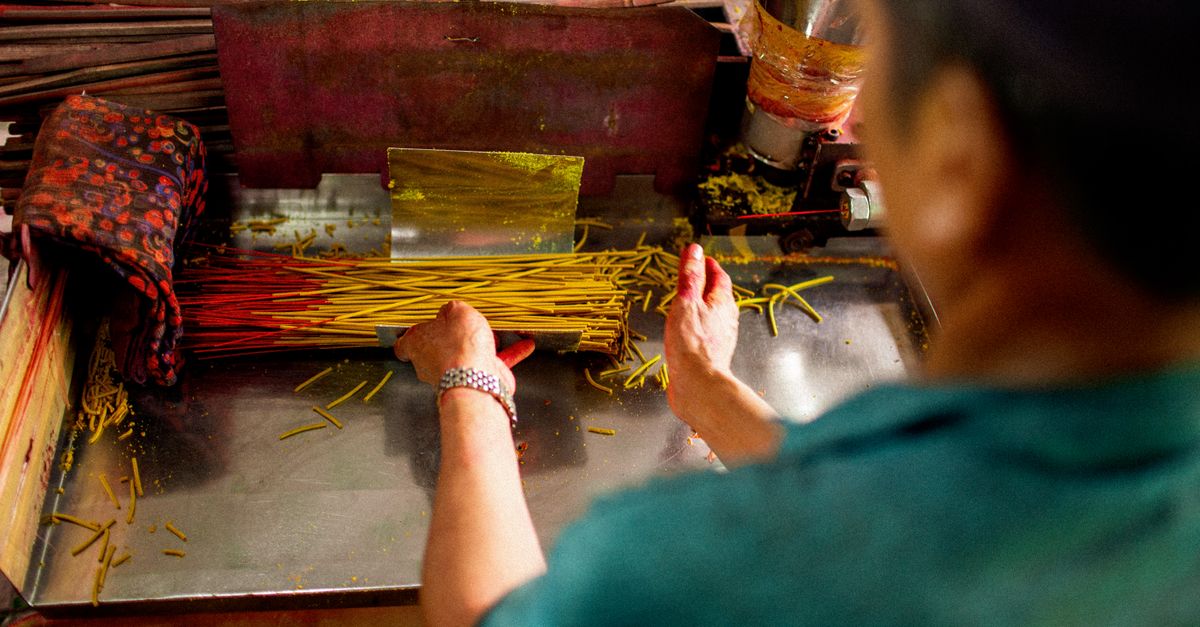
Research suggests daily agarbatti burning may elevate diabetes risk due to harmful pollutants.
Burning an agarbatti, a common practice in many Indian households, could potentially increase the risk of developing diabetes. A new study highlights the adverse health impacts associated with daily exposure to the smoke emitted from these incense sticks.
Link Between Agarbatti Smoke and Health Risks
The study, conducted by researchers at a leading health institute, sheds light on the potential dangers of inhaling incense smoke regularly. Agarbatti, when burned, releases a range of pollutants including volatile organic compounds, particulate matter, and carbon monoxide. These pollutants have been linked to respiratory issues and now, potentially, to metabolic disorders such as diabetes.
Researchers found that individuals exposed to agarbatti smoke on a daily basis exhibited higher levels of insulin resistance, a precursor to type 2 diabetes. The study suggests that the chemicals present in the smoke might interfere with the body's ability to regulate blood sugar levels, thus increasing the risk of developing diabetes over time.
Understanding the Chemical Composition
The chemical composition of agarbatti smoke includes a variety of toxic substances. These compounds are known to cause oxidative stress and inflammation, both of which are critical factors in the development of insulin resistance. The study emphasizes that while the cultural significance of agarbatti is undeniable, awareness of its potential health effects is crucial.
Experts recommend that individuals who frequently use agarbatti consider improving ventilation in their homes to mitigate exposure. Additionally, opting for natural or low-emission incense alternatives could be a safer choice for those who wish to continue the practice.
Broader Implications for Public Health
This research adds to a growing body of evidence that indoor air pollution poses significant health risks. While incense is often associated with spiritual and calming effects, the findings suggest a need for public health awareness campaigns to educate the public about the potential dangers. Reducing exposure to indoor pollutants like incense smoke could be a crucial step in preventing lifestyle-related diseases such as diabetes.
As the study gains attention, it may prompt further investigations into the health impacts of other common household practices and products. For now, individuals are encouraged to balance cultural traditions with health considerations to ensure a safe living environment.