
The Crucial Role of Preventive Screenings in Early Disease Detection
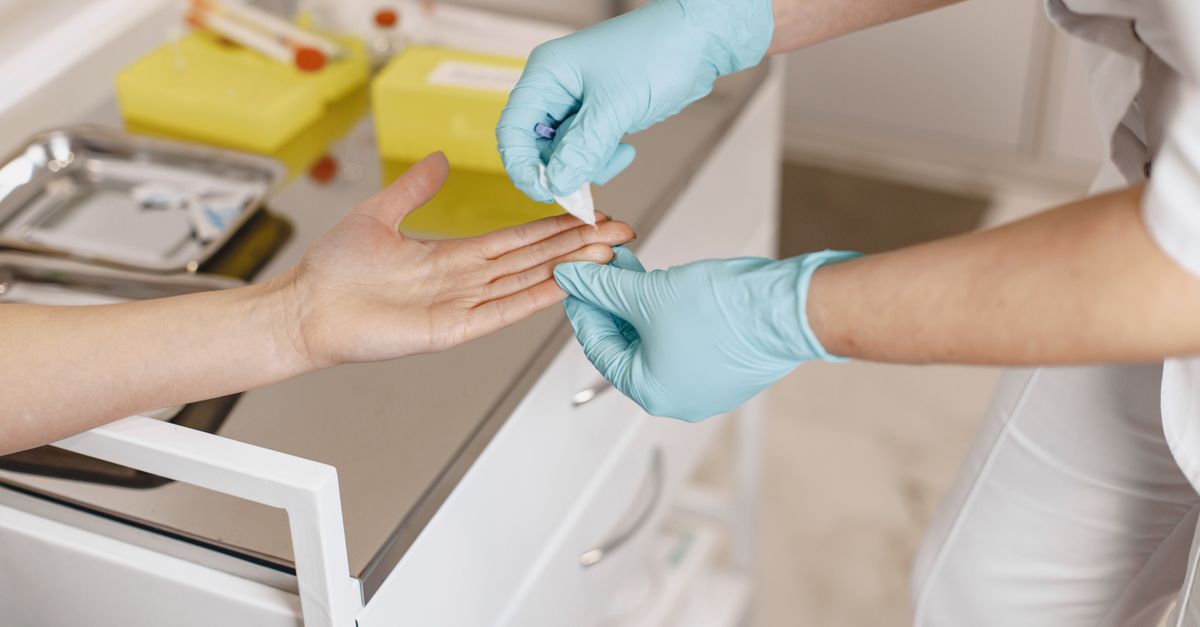
Preventive screenings are vital for detecting diseases early, improving treatment outcomes, and saving lives.
Every year, millions of people benefit from preventive screenings designed to catch diseases before symptoms even appear. These medical tests, which range from mammograms to cholesterol checks, provide a crucial window into a person’s health, allowing for the early treatment of conditions that might otherwise go unnoticed until they become severe.
Why Early Detection Matters
Early detection of diseases can significantly alter the course of treatment and prognosis. According to the American Cancer Society, cancers found at an early stage, when they are small and have not spread, are more likely to be treated successfully. For instance, the five-year survival rate for women with localized breast cancer is 99% when detected early, compared to 27% when the cancer has metastasized.
Beyond cancer, screenings for conditions like hypertension and diabetes can prevent complications such as heart disease and kidney damage. The Centers for Disease Control and Prevention (CDC) reports that nearly one-third of adults with diabetes are undiagnosed, underscoring the importance of routine screenings in managing public health.
The Range of Preventive Screenings Available
The scope of preventive screenings is broad, covering various health aspects. Routine blood tests can reveal high cholesterol levels, a significant risk factor for heart disease. Blood pressure screenings help identify hypertension, often dubbed the “silent killer” due to its asymptomatic nature. Colonoscopies, recommended for adults over 45, detect colorectal cancer, while Pap smears and HPV tests can catch cervical cancer early.
In addition to these, new advancements have led to the development of genetic tests that can identify an individual’s predisposition to certain diseases, allowing for personalized preventive strategies. These screenings are particularly beneficial for those with a family history of specific conditions.
Addressing Barriers to Access
While the benefits of preventive screenings are clear, access remains a challenge for many. Socioeconomic factors, lack of health insurance, and geographical barriers can limit individuals’ ability to receive timely screenings. According to a study published in Health Affairs, uninsured individuals are less likely to receive preventive services compared to those with insurance.
Efforts to improve access include public health campaigns, community health programs, and policies aimed at expanding insurance coverage. Mobile clinics and telehealth services are also emerging as innovative solutions to reach underserved populations, ensuring that more people can benefit from early disease detection.
The Role of Technology in Enhancing Screenings
Technology is revolutionizing the way preventive screenings are conducted. Advances in imaging technology, such as 3D mammography, provide more accurate results, reducing false positives and unnecessary biopsies. Artificial intelligence is also being integrated into screening processes to analyze data more efficiently, identifying patterns that may indicate early signs of disease.
Moreover, wearable devices like smartwatches are increasingly equipped with health-monitoring features, such as heart rate tracking and ECG capabilities, offering continuous health insights and prompting users to seek medical advice when irregularities are detected.
Preventive screenings stand as a cornerstone of proactive healthcare, bridging the gap between early detection and effective treatment. As technology evolves and access improves, their role is set to become even more integral in averting the progression of diseases and improving patient outcomes.