
The Critical Role of Emergency Medical Services in Healthcare
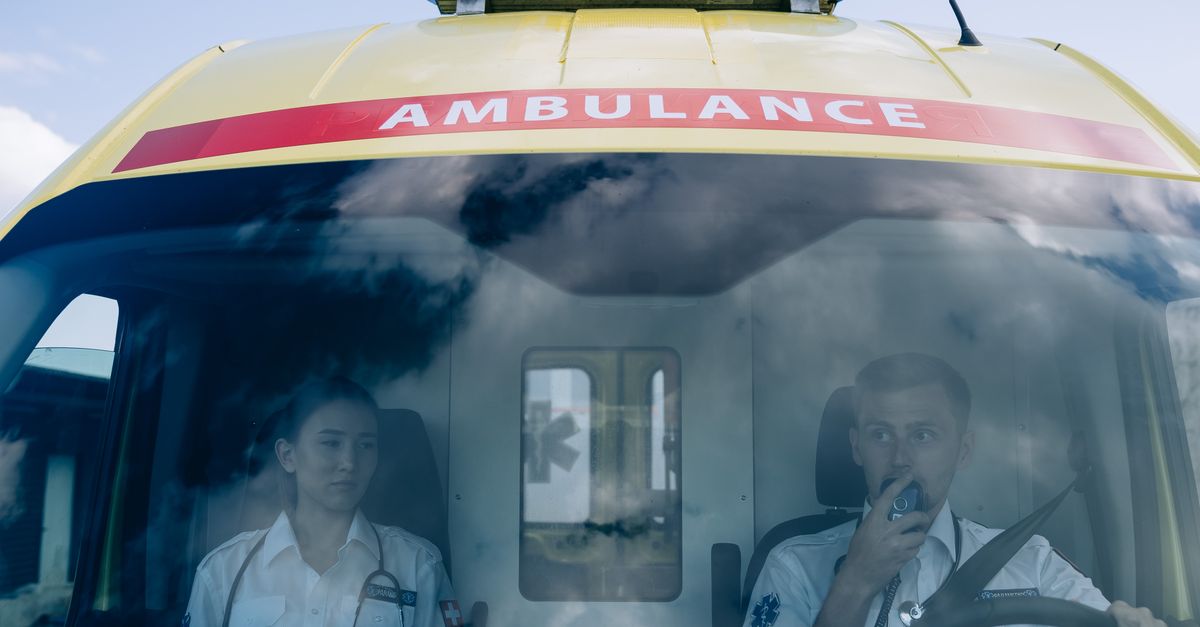
Emergency Medical Services form the backbone of urgent healthcare, providing rapid response and life-saving care in critical situations.
When seconds can mean the difference between life and death, Emergency Medical Services (EMS) play an indispensable role in healthcare systems worldwide. These services are often the first point of contact for those experiencing medical emergencies, offering rapid assessment, critical intervention, and transportation to healthcare facilities. Recognizing the importance of EMS in the broader healthcare ecosystem requires understanding their functions, challenges, and the evolving landscape in which they operate.
Understanding the Scope of EMS
EMS encompasses a wide range of services, including pre-hospital emergency care, disaster response, and inter-facility transport. These services are staffed by a variety of healthcare professionals, from Emergency Medical Technicians (EMTs) to paramedics, each trained to handle different levels of medical emergencies. Their primary function is to stabilize patients and provide immediate care until they reach a hospital. In the United States alone, EMS responds to over 37 million calls annually, highlighting their critical role in public health and safety.
Challenges Facing EMS Providers
Despite their importance, EMS providers face numerous challenges. Funding is a perennial issue, with many services relying on a combination of government funding, billing for services rendered, and community support. The financial constraints can lead to understaffing, outdated equipment, and insufficient training, all of which can impact response times and the quality of care provided.
Additionally, EMS personnel often experience high levels of stress and burnout due to the nature of their work. The demands of responding to life-threatening situations, coupled with long hours and irregular shifts, contribute to mental and physical exhaustion. Addressing these challenges is crucial for maintaining a resilient EMS workforce capable of delivering high-quality care.
Technological Advances Transforming EMS
The field of EMS is not immune to the technological advancements that are reshaping healthcare. From the use of telemedicine in ambulances to advanced communication systems that streamline dispatch operations, technology is enhancing the efficiency and effectiveness of emergency medical services. For instance, the integration of Geographic Information Systems (GIS) allows for optimized routing, reducing response times significantly.
Moreover, real-time data sharing between EMS teams and hospitals can improve patient outcomes by ensuring that medical staff are prepared for the incoming patient’s condition. Such innovations are essential as EMS providers strive to meet the demands of growing urban populations and increasingly complex medical emergencies.
EMS and Public Health Preparedness
The COVID-19 pandemic underscored the vital role of EMS in public health emergencies. Paramedics and EMTs were on the front lines, not only providing emergency care but also participating in testing and vaccination efforts. This experience has highlighted the need for better integration of EMS into broader public health strategies.
As global health threats continue to evolve, EMS must be part of the planning and response efforts. This includes adequate training for new types of emergencies and ensuring that EMS systems are equipped to handle surges in demand.
Looking Ahead: The Future of EMS
As we look to the future, the role of EMS is likely to expand. With the increasing focus on community paramedicine and preventative care, EMS providers may take on more roles related to chronic disease management and preventative health services. This shift could help reduce the burden on traditional healthcare facilities and improve overall community health outcomes.
Ultimately, the sustainability and effectiveness of EMS depend on continued investment and innovation. As healthcare systems evolve, ensuring that emergency medical services are adequately supported and integrated will be crucial for safeguarding public health. As one EMS professional aptly put it, "We are not just a ride to the hospital; we are a critical component of the healthcare continuum."