
COPD in India: Unveiling the Challenges of Late Diagnosis
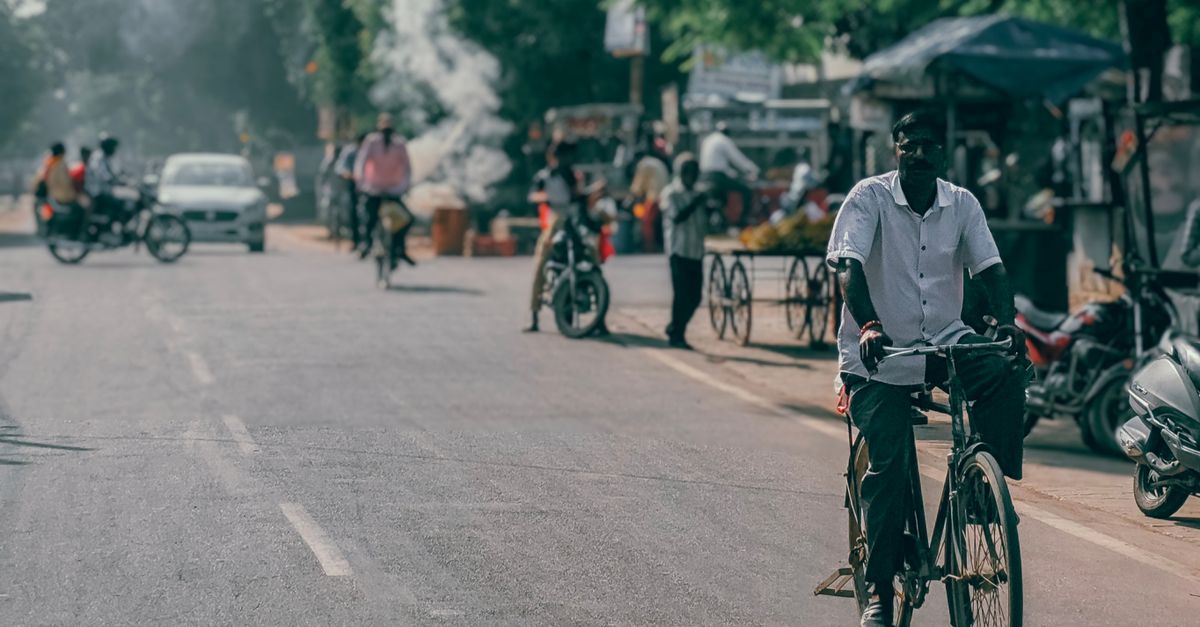
COPD remains underdiagnosed in India, with many patients receiving late-stage diagnoses due to systemic healthcare challenges.
Chronic Obstructive Pulmonary Disease (COPD) is a silent adversary in India, creeping up on patients and often being diagnosed at a stage when little can be done to reverse the damage. The World Health Organization reports that India accounts for 32% of global COPD deaths, a staggering statistic that raises questions about the systemic healthcare challenges contributing to late diagnoses.
Why COPD Diagnosis Comes Too Late
One of the primary reasons for the late diagnosis of COPD in India is the lack of awareness among both patients and healthcare providers. COPD symptoms, such as chronic cough and difficulty breathing, are often mistaken for other respiratory conditions like asthma or simply attributed to the effects of aging or pollution. This misinterpretation delays the necessary diagnostic tests, such as spirometry, which are crucial for identifying COPD early.
Furthermore, a significant portion of India's population lives in rural areas with limited access to healthcare facilities. The scarcity of specialists and diagnostic tools in these regions means that many individuals remain undiagnosed until they seek treatment for more severe complications. This geographical disparity exacerbates the problem, leaving millions vulnerable to the disease's progression.
The Role of Tobacco and Environmental Factors
India's high rate of tobacco use is a well-documented risk factor for COPD. According to the Global Adult Tobacco Survey, approximately 28.6% of adults in India use tobacco in some form. This widespread habit contributes significantly to the country's COPD burden. Despite government efforts to curb tobacco use, cultural acceptance and economic factors keep usage rates high, further complicating early detection efforts.
In addition to tobacco, environmental factors like air pollution and occupational hazards play a crucial role in COPD's prevalence. India is home to some of the world's most polluted cities, with air quality indices frequently reaching hazardous levels. For many, exposure to these conditions is a daily reality, accelerating the onset and progression of respiratory diseases like COPD. The combination of these risk factors not only increases prevalence but also complicates early diagnosis, as symptoms may be attributed to environmental conditions rather than a chronic disease.
Healthcare System Challenges
India's healthcare system faces numerous hurdles that contribute to the late diagnosis of COPD. Limited resources and infrastructure, particularly in rural health centers, impede the timely and accurate diagnosis of respiratory diseases. While urban centers may boast better facilities and access to specialists, the cost of healthcare remains a significant barrier for many patients.
Additionally, there is a shortage of trained pulmonologists across the country. This shortage means that even when patients seek medical help, they may encounter physicians who lack the specialized training to recognize and diagnose COPD early. Moreover, the focus on infectious respiratory diseases like tuberculosis often overshadows the need for attention and resources dedicated to chronic conditions such as COPD.
Potential Solutions and Forward Steps
Addressing the challenge of late COPD diagnosis in India requires a multifaceted approach. Public health campaigns aimed at increasing awareness about COPD and its symptoms could help both patients and healthcare providers recognize the disease earlier. Additionally, integrating spirometry into routine check-ups, especially for at-risk populations, could significantly improve early detection rates.
Furthermore, enhancing training for primary care physicians and increasing the number of pulmonologists through targeted educational programs could bridge the gap in specialized care. Investment in rural healthcare infrastructure and telemedicine solutions could also improve access to diagnostic services, allowing for earlier interventions.
As India grapples with the dual burden of infectious and chronic diseases, a strategic shift in healthcare policy and resource allocation is essential. By prioritizing early diagnosis and management of COPD, the country can mitigate the disease's impact and improve quality of life for millions.