
Continuous Health Monitoring: The Next Frontier in Patient Care
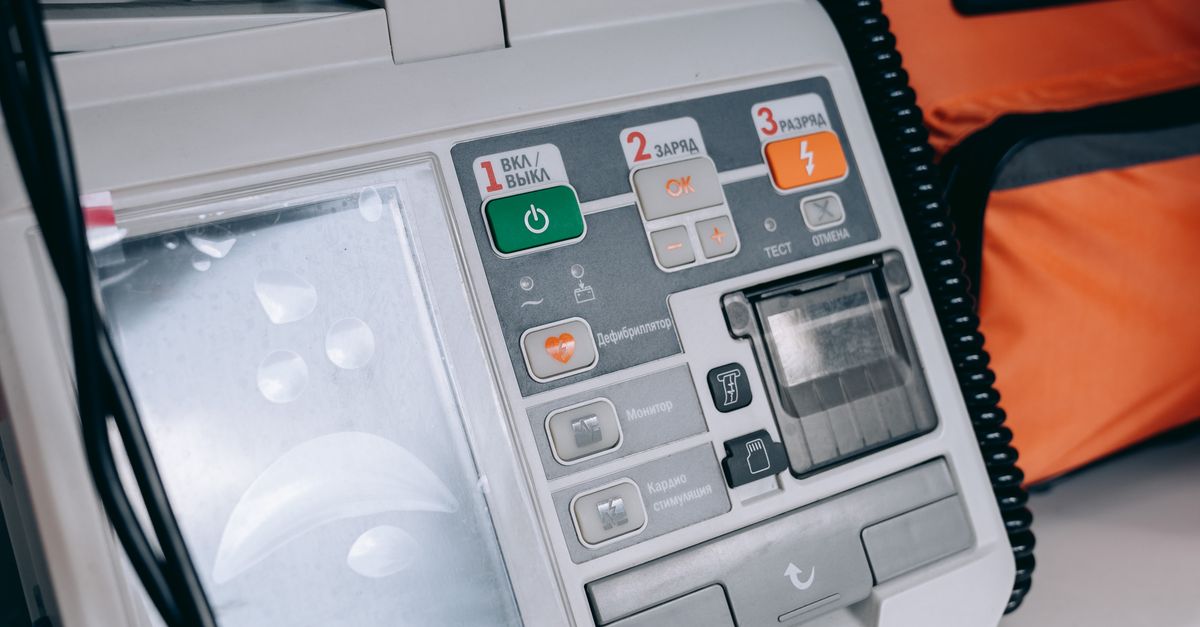
As technology advances, continuous health monitoring promises to revolutionize patient care with real-time data and improved outcomes.
In a world where technology is intricately woven into the fabric of daily life, the healthcare sector stands on the brink of a transformative wave: continuous health monitoring. Utilizing real-time data from wearable devices and smart technologies, this approach is set to redefine how health is managed and diseases are detected.
The Role of Wearable Technology
Wearable technology is at the forefront of this revolution. Devices like smartwatches and fitness trackers have already made health monitoring accessible to the general public. According to a 2023 report by Grand View Research, the global wearable medical device market size is expected to reach USD 39.4 billion by 2027, growing at a compound annual growth rate (CAGR) of 26.8%. These devices, equipped with sensors, collect data such as heart rate, blood oxygen levels, and sleep patterns, providing users and healthcare providers with valuable insights into their health.
Why Real-Time Data Matters
The real-time data provided by continuous health monitoring can lead to earlier detection of potential health issues. For instance, a study published in the Journal of Medical Internet Research in 2022 showed that continuous monitoring could identify irregular heart rhythms days before they manifest into serious conditions. This proactive approach not only enhances patient outcomes but also reduces the burden on healthcare systems by minimizing emergency interventions.
Challenges and Privacy Concerns
Despite its potential, continuous health monitoring is not without challenges. Data privacy remains a significant concern. As devices collect sensitive health information, ensuring this data is securely stored and transmitted is critical. The Health Insurance Portability and Accountability Act (HIPAA) imposes strict guidelines on patient data protection, yet breaches and unauthorized access continue to pose risks. The healthcare industry must prioritize robust cybersecurity measures to protect patient data integrity.
Integration with Healthcare Systems
For continuous health monitoring to be effective, integration with existing healthcare systems is paramount. Healthcare providers must adapt their infrastructure to incorporate this influx of data. Electronic Health Records (EHRs) should be updated in real-time to reflect the continuous data stream, enabling physicians to make informed decisions quickly. Furthermore, interoperability standards, such as Fast Healthcare Interoperability Resources (FHIR), are crucial for seamless communication between devices and healthcare systems.
The Future Landscape of Patient Care
As continuous health monitoring becomes more prevalent, the role of healthcare professionals will undoubtedly evolve. Physicians will transition from reactive treatment to a more preventive approach, focusing on maintaining health rather than merely treating illness. This shift is expected to enhance patient engagement, as individuals become more involved in managing their health through accessible data and personalized insights.
Looking ahead, the integration of artificial intelligence (AI) with continuous health monitoring technologies holds immense potential. AI algorithms can analyze vast amounts of data to provide predictive insights, flagging potential health issues before they escalate. For instance, researchers at the Mayo Clinic are currently exploring AI applications in predicting cardiac events using wearable device data.
The future of healthcare is poised to be more connected, personalized, and proactive. As continuous health monitoring technologies advance, they promise not only to revolutionize patient care but also to empower individuals to take charge of their health with unprecedented precision.