
Comprehensive Genetic Map of Oryza rufipogon Unveiled
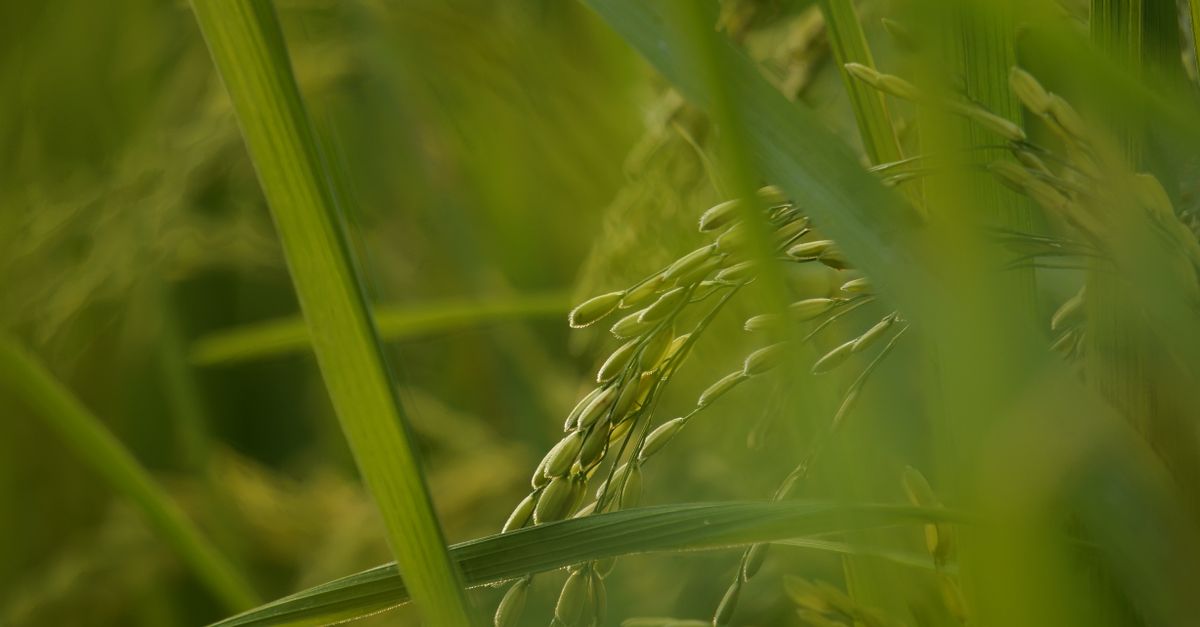
A new study has mapped the whole-genome variants of 144 Oryza rufipogon accessions, offering insights into rice evolution.
Researchers have unveiled a comprehensive genetic map detailing the whole-genome variants of 144 accessions of Oryza rufipogon, a wild ancestor of cultivated rice. This breakthrough, published in Nature, provides a valuable resource for understanding the genetic diversity and evolutionary history of rice.
Genetic Diversity in Wild Rice
Oryza rufipogon is a critical species for studying the genetic foundation of rice, a staple food for over half of the world's population. The study's authors sequenced and analyzed the genomes of these accessions, which were collected from various geographical regions. This extensive dataset offers insights into the genetic diversity present in these wild rice populations.
The researchers identified numerous genetic variants, including single nucleotide polymorphisms (SNPs) and structural variations. These findings highlight the genetic complexity and adaptability of Oryza rufipogon, which could be harnessed to improve cultivated rice varieties.
Implications for Rice Breeding
The genetic information gathered from this study has significant implications for rice breeding programs. By understanding the genetic makeup of Oryza rufipogon, breeders can develop new rice strains with enhanced traits such as disease resistance, drought tolerance, and improved yield. The data provides a foundation for identifying beneficial genes that can be introduced into cultivated rice varieties.
Moreover, the study's findings could aid in the preservation of genetic resources. As climate change and habitat destruction threaten biodiversity, maintaining a diverse genetic pool in crops like rice becomes increasingly important.
Future Research Directions
This research opens the door for further studies into the evolutionary pathways of rice and the role of various genetic variants in adaptation and domestication. Future research could explore how specific genetic changes have contributed to the domestication of rice and its adaptation to different environments.
The study also underscores the value of whole-genome sequencing in understanding plant genetics and evolution. As sequencing technologies continue to advance, researchers can expect to uncover even more detailed genetic insights, which will be crucial for enhancing food security and sustainability.
The whole-genome variants resource of Oryza rufipogon is not just a milestone in rice genetics but also a tool that could transform agricultural practices by leveraging the natural diversity of wild rice.