
Community Programs Curb Forest Loss in Borneo Amid COVID-19
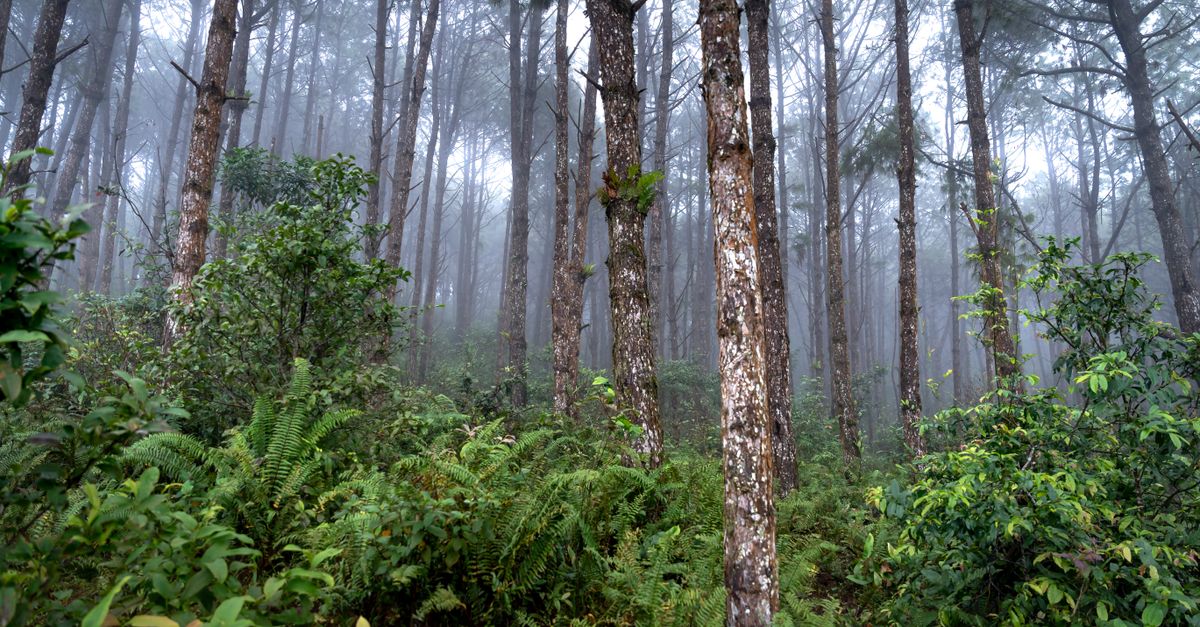
Community initiatives in Borneo have helped reduce forest loss during the pandemic, highlighting the impact of local engagement.
During the COVID-19 pandemic, community-based programs in Indonesia's Borneo have been linked to a reduction in deforestation, according to recent findings. These initiatives, which empower local communities to manage and protect their forests, have played a significant role in preserving the region's rich biodiversity.
Local Engagement and Forest Preservation
In Borneo, community programs have focused on involving locals in forest management, providing them with the tools and knowledge to combat deforestation. These efforts have not only helped in conserving the forests but have also contributed to sustaining the livelihoods of local communities, who depend on these ecosystems.
Organizations facilitating these programs have worked closely with residents to develop strategies that balance ecological preservation with economic needs. By empowering locals to take charge of their natural resources, these programs have successfully fostered a sense of ownership and responsibility towards forest conservation.
Impact of COVID-19 on Deforestation Trends
The pandemic has brought about unique challenges and opportunities in forest management across the globe. In Borneo, restrictions on movement and economic activities initially raised concerns about increased illegal logging due to economic hardship. However, reports indicate that the presence of active community programs has mitigated these risks by ensuring that protective measures remain in place even during the crisis.
Local participation in forest conservation has proven crucial during these times, as community members are more likely to notice and address illegal activities. This grassroots approach has been instrumental in maintaining lower rates of deforestation compared to areas without such initiatives.
Future Prospects and Challenges
While the success of community programs in Borneo is promising, sustaining these efforts post-pandemic poses its own set of challenges. Continued funding and support from governmental and non-governmental organizations will be essential to maintain the momentum. Additionally, expanding these programs to other regions facing similar threats could further bolster global forest conservation efforts.
As the world grapples with environmental issues, the case of Borneo serves as a testament to the potential of community-driven conservation. By investing in local communities and their capacity to manage natural resources, significant strides can be made in preserving our planet's forests.