
Colorado's Premier Neurorehabilitation Facility Breaks Ground on $250M Expansion
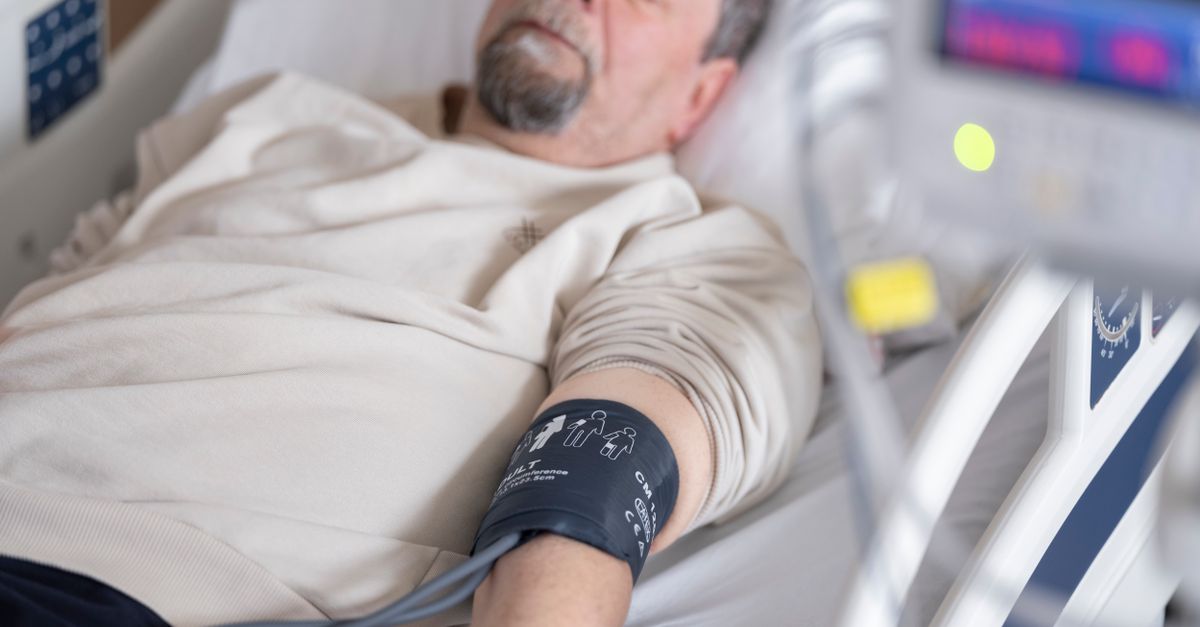
A major infrastructure project is underway in Colorado to modernize and expand specialized care for patients recovering from spinal cord and brain injuries.
A New Era for Specialized Neurological Care
A landmark development in the Colorado healthcare landscape has officially commenced as one of the nation’s most prestigious neurorehabilitation centers begins a $250 million campus expansion. This significant investment aims to address the growing demand for specialized treatment for patients recovering from traumatic brain injuries, spinal cord damage, and other complex neurological conditions. The project represents a pivotal shift toward integrating cutting-edge medical technology with patient-centric architectural design.
As medical advancements continue to improve survival rates for catastrophic injuries, the need for long-term, intensive rehabilitation has never been higher. This expansion is designed to bridge the gap between acute hospital care and community reintegration, providing a state-of-the-art environment where patients can undergo rigorous physical and cognitive therapies.
Modernizing Infrastructure and Capacity
The $250 million initiative is not merely an increase in square footage but a comprehensive overhaul of existing facilities. Key components of the expansion include the addition of private patient rooms, expanded outpatient clinics, and specialized gyms equipped with the latest robotic-assisted gait trainers and exoskeleton technology. By increasing bed capacity, the hospital aims to reduce wait times for regional and national transfers, ensuring that patients receive critical rehabilitative intervention during the optimal recovery window.
Architectural plans emphasize a "healing environment" philosophy. Research suggests that natural light, access to outdoor spaces, and intuitive navigation can significantly reduce patient stress and improve clinical outcomes. The new wing is expected to feature floor-to-ceiling windows and therapeutic gardens, creating a serene atmosphere that contrasts with the sterile, high-pressure environment of traditional intensive care units.
Economic Impact and Regional Healthcare Growth
Beyond its clinical implications, the expansion serves as a major economic driver for the Colorado region. The construction phase is expected to generate hundreds of specialized jobs in the engineering and building sectors. Once operational, the facility will require an expanded workforce of neurologists, physical therapists, specialized nurses, and administrative staff, further cementing the state's reputation as a hub for medical innovation.
Local officials and healthcare analysts view this project as a necessary response to the evolving demographics of the Rocky Mountain region. As the population grows, the infrastructure must scale to support complex medical needs that smaller community hospitals are often unequipped to handle. This facility serves as a tertiary referral center, meaning it accepts the most difficult cases from across several states.
Integrating Research and Clinical Practice
A core objective of the $250 million project is to foster a closer relationship between clinical treatment and academic research. The new facilities will include dedicated spaces for clinical trials and data collection. By housing researchers in the same building as practitioners, the hospital hopes to accelerate the transition of laboratory breakthroughs into bedside treatments.
Innovations in neuroplasticity—the brain's ability to reorganize itself by forming new neural connections—will be at the forefront of the new center's mission. With enhanced imaging suites and motion-capture laboratories, clinicians will be able to track patient progress with unprecedented precision, tailoring recovery plans to the specific neurological profile of each individual.
Looking Toward Completion
While the construction of such a complex medical facility presents unique engineering challenges—including the need to maintain quiet, vibration-free environments for current patients—the project is moving forward with a clear timeline. The phased opening of the new wings will ensure that services remain uninterrupted during the transition. Upon completion, the expanded hospital will stand as a beacon of hope for those facing life-altering injuries, combining the best of human expertise with the most advanced medical infrastructure available today.