
Cleveland Clinic Enhances Critical Care Training Through Immersive Device Day Simulation
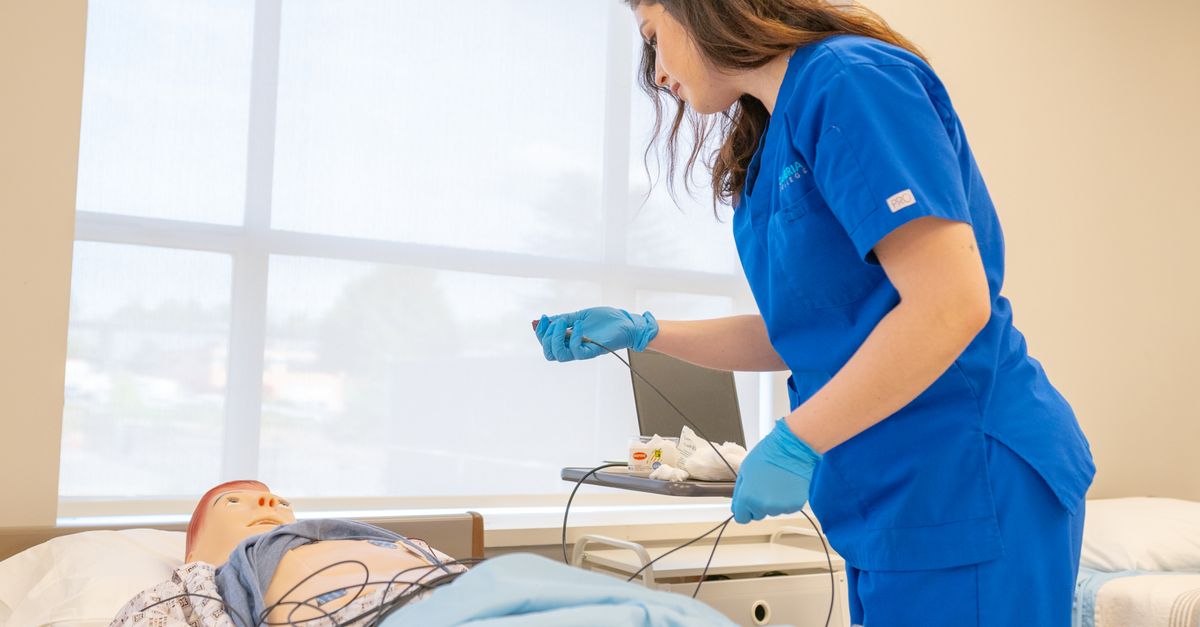
Cleveland Clinic is leveraging advanced simulation technology to bolster clinical competency and patient safety in high-stakes critical care environments.
Elevating Clinical Standards Through Simulation
In an era where medical technology evolves at a rapid pace, healthcare institutions are under increasing pressure to ensure that clinical staff maintain mastery over complex life-saving equipment. Cleveland Clinic has addressed this challenge through its innovative "Device Day," a specialized training initiative designed to bridge the gap between theoretical knowledge and bedside application in critical care settings. By utilizing high-fidelity simulation, the program provides a controlled environment for clinicians to refine their skills without risking patient safety.
Critical care units are high-pressure environments where the margin for error is slim. Devices such as mechanical ventilators, continuous renal replacement therapy (CRRT) machines, and advanced hemodynamic monitors require precise operation. Device Day serves as a dedicated forum for nurses, respiratory therapists, and physicians to engage in hands-on practice, ensuring that every member of the care team is prepared for the complexities of modern intensive care.
The Architecture of Device Day
The program is structured around the principles of experiential learning. Rather than relying on traditional lectures, Device Day emphasizes active participation. Participants move through various stations, each dedicated to a specific piece of technology or a clinical scenario. This modular approach allows for targeted education that addresses both common procedures and rare, high-acuity emergencies.
Expert educators and clinical specialists lead these sessions, providing real-time feedback and troubleshooting guidance. By simulating equipment failures or physiological alarms, the training prepares staff to react calmly and effectively during actual clinical crises. This proactive approach to education is a cornerstone of Cleveland Clinic’s commitment to a culture of safety and continuous improvement.
Impact on Patient Outcomes and Staff Confidence
The primary objective of the Device Day initiative is to enhance patient outcomes by reducing the risk of device-related adverse events. When clinicians are highly proficient with their tools, they can focus more of their cognitive resources on the patient’s overall condition rather than the mechanics of the machinery. This leads to faster intervention times and more accurate data interpretation.
Beyond patient safety, the program significantly boosts staff morale and confidence. Critical care can be a source of significant stress for healthcare providers, particularly when dealing with unfamiliar technology. By providing a safe space to ask questions and practice maneuvers, Cleveland Clinic fosters a more resilient and competent workforce. The collaborative nature of the simulation also strengthens interdisciplinary communication, which is vital for successful patient management in the ICU.
Future Directions in Medical Education
Cleveland Clinic’s investment in simulation-based training reflects a broader trend in medical education toward competency-based assessment. As medical devices become increasingly integrated with digital health records and artificial intelligence, the need for ongoing, hands-on training will only grow.
Looking ahead, the integration of virtual reality (VR) and augmented reality (AR) into programs like Device Day could further expand the reach of simulation. These technologies allow for even more immersive scenarios and can be accessed remotely, providing flexible learning opportunities for a global workforce. For now, the physical Device Day remains a gold standard for tactile learning and team building at one of the world's leading healthcare systems. By prioritizing these educational milestones, Cleveland Clinic ensures that its staff remains at the forefront of critical care excellence.