
The Struggle for Clean Drinking Water and Its Impact on Health in India
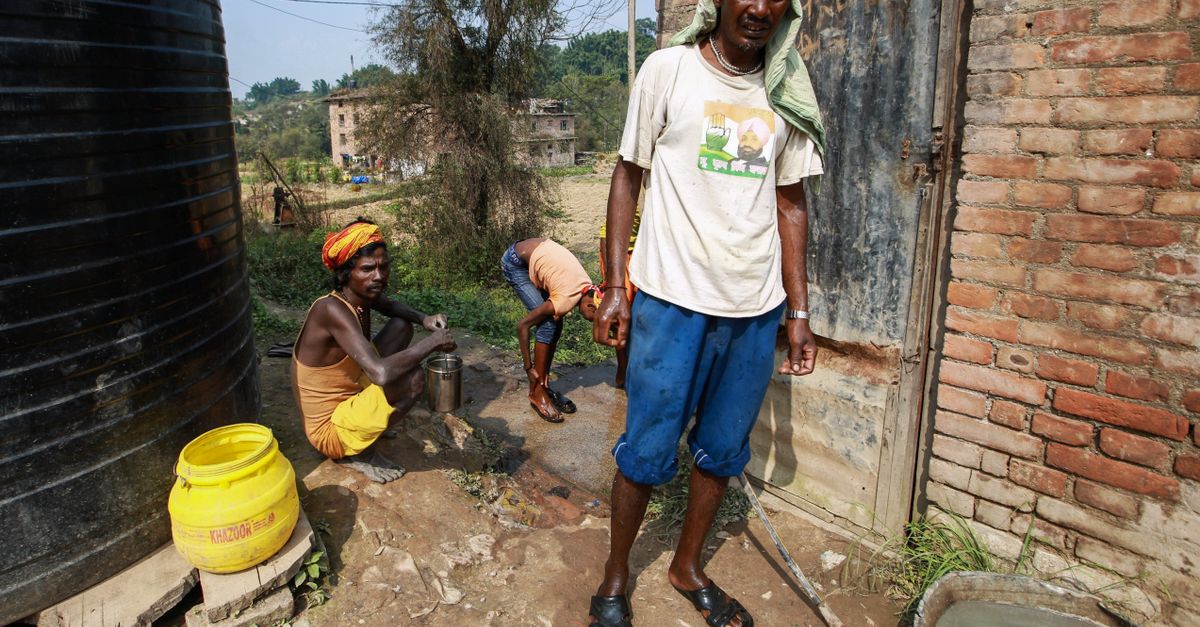
Access to clean drinking water remains a critical health challenge in India, affecting millions and complicating efforts to combat waterborne diseases.
Access to clean drinking water remains one of the most pressing challenges in India, a nation where nearly 600 million people face acute water shortages. Despite significant strides in healthcare and technology, contaminated water sources continue to undermine public health efforts, leading to a host of diseases and health complications.
Widespread Water Contamination: A Persistent Threat
India's water contamination issues are widespread and multifaceted. According to the World Health Organization, approximately 21% of communicable diseases in India are related to unsafe water. Contaminants like arsenic, fluoride, and nitrates, often found in the groundwater, pose severe health risks, including cancer, neurological disorders, and developmental issues in children. The rural population, which largely relies on groundwater, is disproportionately affected.
Government Initiatives: Progress with Challenges
The Indian government has launched various initiatives aiming to tackle water scarcity and contamination. The Jal Jeevan Mission, launched in 2019, aims to provide safe and adequate drinking water to every rural household by 2024. As of October 2023, the program has reached 55% of its target, marking a significant yet incomplete stride towards universal access.
However, challenges persist. Infrastructure deficiencies, inconsistent water quality monitoring, and a lack of community engagement continue to hinder progress. In urban areas, aging water infrastructure leads to leaks and contamination, complicating the delivery of safe water even when supplies are sufficient.
Health Implications: The Toll of Unsafe Water
Unsafe drinking water is a direct contributor to India's high burden of waterborne diseases, including diarrhea, cholera, and typhoid. The National Health Portal reports that diarrhea alone causes over 100,000 deaths annually among children under five. The economic impact is also significant, with healthcare costs and productivity losses draining resources from families and the economy.
Beyond infectious diseases, chronic conditions linked to water contamination, such as fluorosis and arsenicosis, add to the health burden. These conditions can result in lifelong disabilities, emphasizing the need for sustained intervention and support.
Community Engagement: A Key to Sustainable Solutions
While government initiatives set the framework for improving water access, community involvement is crucial for sustainable change. Localized solutions, such as rainwater harvesting and domestic filtration systems, have shown promise in areas where government programs have yet to reach. Empowering communities through education and resources can lead to more effective management of local water resources.
Non-governmental organizations (NGOs) play a pivotal role in this space, often bridging gaps between government efforts and local needs. By providing education and resources for water management, NGOs help communities develop resilient strategies against water scarcity and contamination.
The Path Forward: Hope and Challenges
The path to clean drinking water in India is fraught with challenges but not without hope. Innovations in water purification technology and increased investment in infrastructure offer potential pathways to improvement. However, success will require a concerted effort from all stakeholders, including government, private sectors, and the communities themselves.
As India continues to urbanize and climate change impacts water availability, the urgency for sustainable water management solutions grows. The ongoing struggle underscores the need for a holistic approach that combines technological innovation with community-led initiatives and robust policy frameworks.
"Access to clean water is not just a necessity; it is a fundamental human right," says Dr. Ramesh Kumar, a public health expert. "Ensuring this access will require unwavering commitment and collaboration across all sectors." This sentiment captures the essence of the challenge and the collective resolve needed to address it.