
Chronic Respiratory Diseases in India: Beyond Asthma and COPD
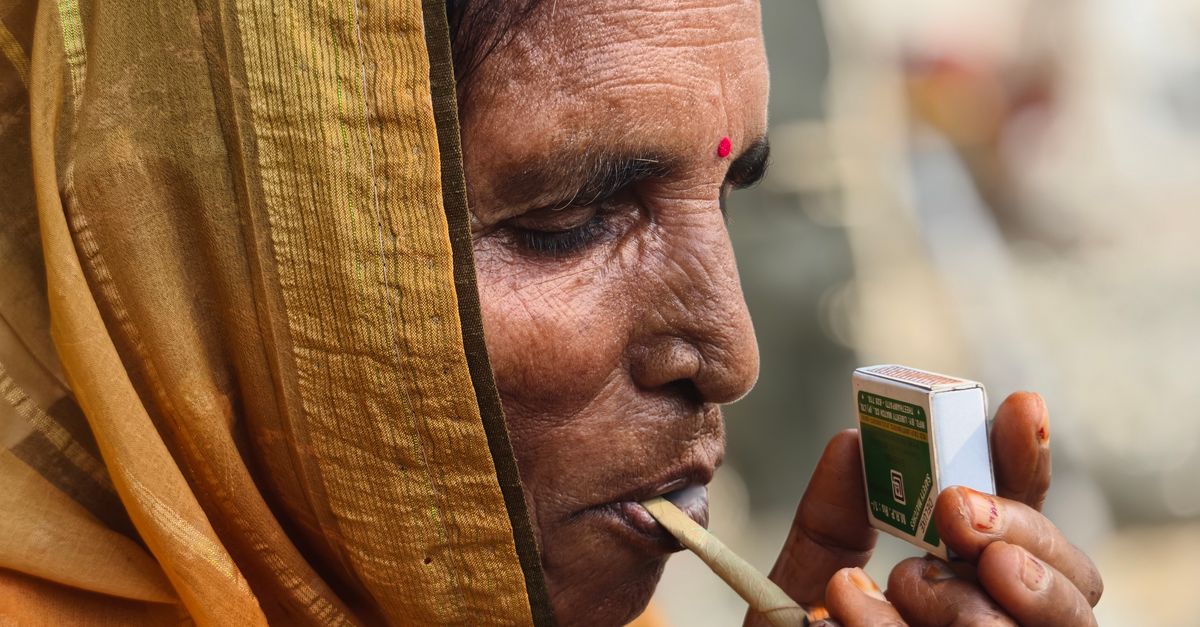
India faces a spectrum of chronic respiratory diseases, extending beyond asthma and COPD, driven by pollution, smoking, and occupational hazards.
India's battle with chronic respiratory diseases is often framed around asthma and chronic obstructive pulmonary disease (COPD). However, the reality is far more complex, with a spectrum of conditions affecting millions. From interstitial lung disease (ILD) to bronchiectasis, these lesser-discussed ailments are gaining attention due to their rising prevalence and severe impact on quality of life.
Rising Cases of Interstitial Lung Disease
Interstitial lung disease, a group of disorders causing progressive scarring of lung tissue, has seen a troubling increase in India. Factors contributing to this rise include environmental pollution, prolonged exposure to hazardous work environments, and a general lack of awareness about the disease. ILD patients often experience shortness of breath and a persistent dry cough, symptoms that are easily mistaken for more common ailments, delaying diagnosis and treatment.
The Indian healthcare system, already stretched thin, struggles to address these challenges due to a shortage of specialized respiratory care centers and pulmonologists. As of 2021, there were only about 1,000 registered pulmonologists for a population of over 1.3 billion, highlighting the urgent need for training and resource allocation.
Bronchiectasis: An Overlooked Threat
Bronchiectasis, characterized by the permanent enlargement of parts of the airways, is another condition gaining attention. Though it can result from a variety of causes, including post-infectious damage and inherited disorders like cystic fibrosis, it remains underdiagnosed in India. The lack of awareness and diagnostic facilities often leads to patients receiving inadequate treatment, further exacerbating their condition.
Recent studies suggest that India may have a higher prevalence of bronchiectasis than previously thought. The condition not only affects the lungs but can also lead to systemic complications, increasing the risk of hospitalizations and mortality. Efforts to improve early diagnosis and management, such as increasing the availability of high-resolution CT scans, are crucial.
Environmental and Lifestyle Factors
Environmental factors play a significant role in the prevalence of chronic respiratory diseases in India. Air pollution, a notorious health hazard in major Indian cities, is a well-documented cause of respiratory ailments. According to a 2023 report by the World Health Organization, India is home to 21 of the world's 30 most polluted cities, with Delhi often topping the list.
Additionally, lifestyle choices, particularly smoking, contribute significantly to the burden of respiratory diseases. Despite nationwide anti-tobacco campaigns, smoking remains prevalent, with nearly 11% of the adult population actively smoking as of 2022. The combination of air pollution and smoking creates a toxic environment that exacerbates respiratory conditions.
The Role of Occupational Hazards
Occupational hazards are another critical contributor to chronic respiratory diseases in India. Workers in industries such as construction, mining, and textiles are routinely exposed to dust and chemicals without adequate protective measures. The result is a high incidence of occupational lung diseases, often undiagnosed and untreated.
For instance, silicosis, caused by inhaling silica dust, is prevalent among construction and mining workers. Despite being preventable, silicosis remains a significant health issue due to poor enforcement of safety regulations and insufficient occupational health services.
Moving Forward: A Call for Comprehensive Action
Addressing chronic respiratory diseases in India requires a multi-faceted approach. Public health initiatives must focus on improving air quality, enforcing stricter regulations on smoking and occupational hazards, and increasing public awareness about various respiratory conditions.
Moreover, enhancing healthcare infrastructure, particularly in rural areas, is crucial. Training more pulmonologists and ensuring access to advanced diagnostic tools can significantly improve outcomes for patients. As Dr. Arvind Kumar, a leading pulmonologist, notes, "A concerted effort from both the government and private sector can transform the landscape of respiratory healthcare in India."
The road ahead is challenging, but with strategic interventions, India can effectively tackle the complex web of chronic respiratory diseases beyond asthma and COPD.