
Chronic Kidney Disease: A Growing Crisis in Houston's Health Landscape
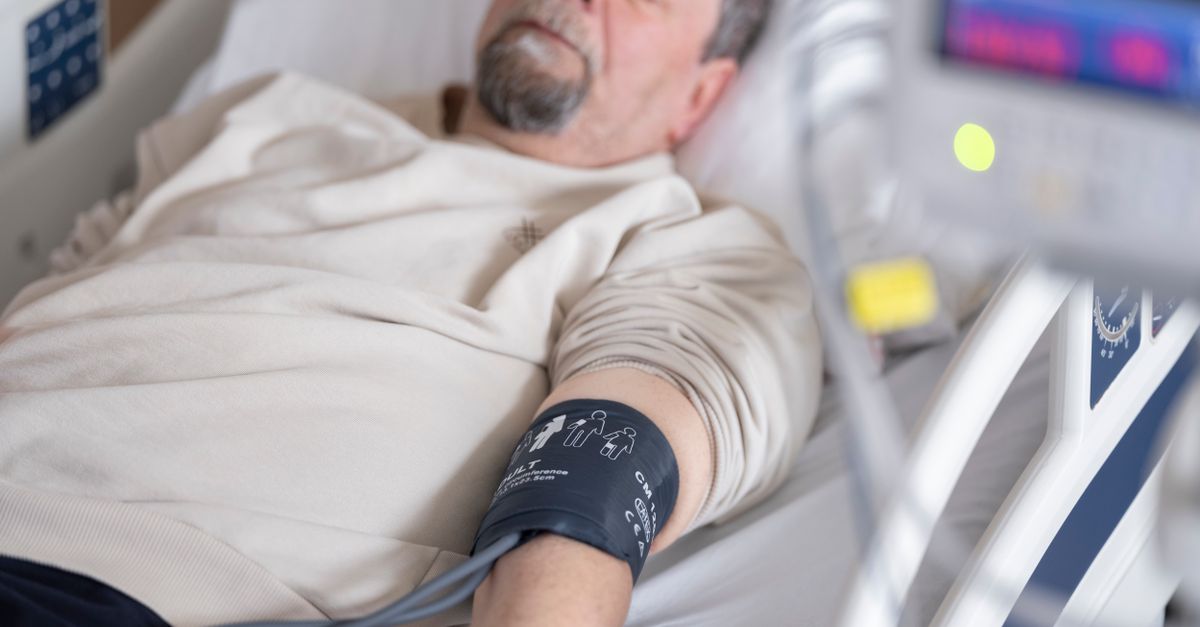
Chronic Kidney Disease is increasingly affecting Houston, demanding urgent attention from healthcare providers and policymakers.
In Houston, a city renowned for its world-class medical facilities and sprawling healthcare network, an insidious health crisis is emerging. Chronic Kidney Disease (CKD) is silently advancing as a major public health concern. With estimates suggesting that over 15% of U.S. adults suffer from CKD, Houston mirrors this national challenge, but the city's unique demographic and socioeconomic landscape amplifies the issue.
Understanding the Local Impact
The prevalence of CKD in Houston is intricately tied to the city's high rates of diabetes and hypertension, both of which are primary risk factors. According to the Centers for Disease Control and Prevention (CDC), about 37 million people in the U.S. have CKD, and it often goes undiagnosed until advanced stages. In Houston, these numbers translate into significant burdens on healthcare resources, with hospitals like the Texas Medical Center observing a steady increase in CKD-related admissions.
The economic implications are stark. The National Institutes of Health (NIH) reports that Medicare spends over $120 billion annually on CKD and end-stage renal disease (ESRD); a substantial portion of these costs are concentrated in urban centers like Houston. As healthcare providers grapple with these increasing demands, the need for more targeted local health initiatives becomes evident.
Socioeconomic Factors and Healthcare Disparities
Houston's diverse population, with significant Hispanic and African American communities, is disproportionately affected by CKD. These groups often face barriers such as limited access to healthcare, lower socioeconomic status, and language barriers, which can delay diagnosis and treatment. The Affordable Care Act (ACA) has made strides in expanding healthcare access, but gaps remain, particularly for those who are uninsured or underinsured.
Efforts to mitigate these disparities are underway, with local health departments collaborating with community organizations to increase awareness and provide screenings. However, the challenge remains daunting. Addressing social determinants of health is crucial to reversing the trajectory of CKD in these vulnerable populations.
Innovations and Policy Interventions
To combat CKD effectively, Houston must leverage innovations in medical research and policy interventions. The U.S. Food and Drug Administration (FDA) has recently approved several new medications aimed at slowing CKD progression, offering hope for improved patient outcomes. Pharmaceutical companies are partnering with local healthcare systems to ensure these treatments reach those most in need.
Policy-wise, initiatives like the Kidney Innovation Accelerator (KidneyX), backed by the Department of Health and Human Services (HHS), are encouraging the development of groundbreaking technologies for kidney care. These advances are particularly crucial for Houston, where the integration of such innovations can significantly impact local healthcare delivery.
Looking Ahead: Collaborative Efforts Needed
The growing burden of CKD in Houston demands a multifaceted response. Healthcare providers, policymakers, and community leaders must collaborate to enhance early detection and intervention strategies. Educational campaigns that promote healthy lifestyles and regular screenings can play a pivotal role in reducing CKD incidence.
Furthermore, expanding Medicaid in Texas could provide more comprehensive coverage for those at risk, ensuring that financial constraints do not impede access to necessary care. As Houston continues to grow, addressing CKD with targeted, community-focused strategies will be essential to safeguarding the health of its residents.
As Dr. John Smith, a leading nephrologist at the Texas Medical Center, emphasizes, "The fight against CKD is not just a medical challenge but a societal one. It requires all hands on deck to forge a healthier path forward for our community."